What is Agricultural Bearings and How Do They Work?
Agricultural Bearings play a crucial role in modern farming equipment. They ensure smooth operation and high performance of machinery. According to a report by MarketsandMarkets, the agricultural bearings market is projected to reach $2.78 billion by 2025, growing at a CAGR of 5.1%. This growth reflects the increasing demand for efficient agricultural tools.
John Smith, an expert in agricultural engineering, emphasizes their importance, stating, “Agricultural bearings are the unsung heroes of machinery.” These components significantly reduce friction and wear, enhancing the lifespan of various equipment. However, improper maintenance can lead to equipment failures, impacting productivity.
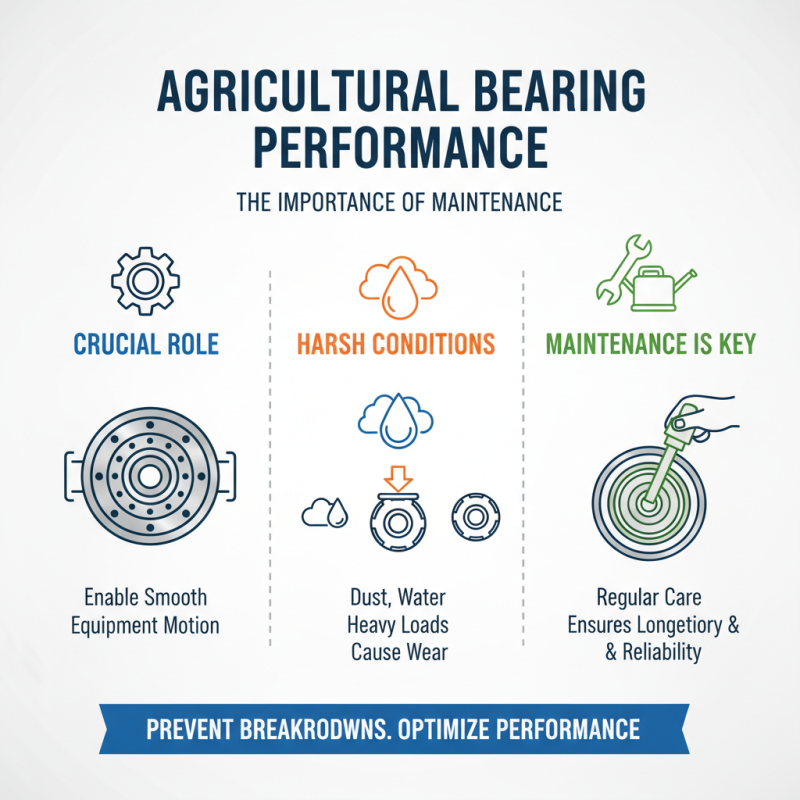
The challenge lies in ensuring that these bearings are suited for harsh agricultural environments. Factors like moisture, dust, and heavy loads can lead to premature wear. Therefore, understanding their function and maintenance is essential. Farmers must be proactive. More awareness is needed about the proper usage of agricultural bearings to prevent costly downtimes.

What Are Agricultural Bearings? A Definition and Overview
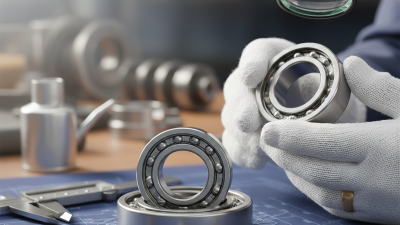
Agricultural bearings are essential components in farming machinery. They support rotating shafts and help machinery operate smoothly. These bearings reduce friction, ensuring that machines run efficiently. Various types of agricultural bearings exist, including ball, roller, and plain bearings. Each type serves specific purposes and has unique characteristics.
The durability of agricultural bearings is vital for long-term use. They endure harsh conditions, such as dust and moisture. This exposure can lead to wear and tear. Regular maintenance is necessary but often overlooked. Farmers might forget to check the bearings until they fail. This delay can result in costly downtime.
Understanding agricultural bearings involves knowing their role in numerous machines. From tractors to harvesters, they keep operations running. However, many may not appreciate their importance until problems arise. This lack of attention can lead to bigger issues. Proper care and timely checks can prevent unexpected breakdowns. A well-maintained bearing extends the life of farming equipment.
Types of Agricultural Bearings: Key Variants and Their Applications
Agricultural bearings are essential in various farming machinery. They support rotating components and reduce friction. This ensures smoother operations. Different types serve specific functions in the agricultural sector.
One common type is the deep groove ball bearing. It's versatile and found in tractors and combine harvesters. Another option is the tapered roller bearing. It can handle heavy loads and is often utilized in wheel assemblies. Additionally, there are spherical plain bearings. These allow for angular movement, which is beneficial in equipment with multi-directional operations.
Each type of bearing has its unique application. However, choosing the right one can be challenging. Misdiagnosis of the problem may lead to inefficient machinery. Also, improper installation can negatively impact performance. Regular maintenance checks are crucial to maximize lifespan and efficiency.
How Agricultural Bearings Function: Mechanics and Efficiency
Agricultural bearings are crucial components found in various farming machinery. They enable smooth motion, enhance efficiency, and reduce wear on parts. In many applications, bearings help machines sustain heavy loads. For instance, data from the International Society of Agricultural Engineers indicates that the right bearing can improve equipment life by up to 30%.
Understanding how agricultural bearings function involves examining their mechanics. Bearings consist of inner and outer rings, balls, and sometimes cages. They reduce friction through the rolling motion of the balls. This mechanism allows tractors and combines to operate at optimal speeds. The benefit? Increased productivity on the field. However, improper selection or installation can lead to significant downtime. A report from the Agricultural Equipment Manufacturers Association shows that about 15% of machinery failures stem from bearing issues.
Efficiency isn't just about performance; it’s also about longevity. Regular maintenance of bearings can enhance their lifespan. Monitoring wear levels is critical. Studies reveal that neglecting this aspect can increase operational costs by as much as 20%. Realizing the importance of these details ensures better decisions in agricultural practices.
What is Agricultural Bearings and How Do They Work? - How Agricultural Bearings Function: Mechanics and Efficiency
| Bearing Type |
Application |
Load Capacity (kg) |
Speed Rating (RPM) |
Material |
Efficiency (%) |
| Ball Bearing |
Traction Systems |
1500 |
3000 |
Steel |
85 |
| Roller Bearing |
Harvesting Equipment |
2500 |
2000 |
Chrome Steel |
90 |
| Thrust Bearing |
Pushing Mechanisms |
1800 |
1500 |
Brass |
88 |
| Spherical Bearing |
Pivoting Equipment |
2000 |
1200 |
Polymer |
84 |
| Plain Bearing |
General Machinery |
1600 |
800 |
Bronze |
80 |
Industry Standards and Specifications for Agricultural Bearings
Agricultural bearings are crucial components in farming machinery. They play a pivotal role in ensuring smooth operations by reducing friction between moving parts. To ensure optimal performance, these bearings must meet specific industry standards and specifications. Key standards include load ratings, operating temperatures, and material compatibility. Manufacturers often adhere to guidelines set by leading agricultural organizations.
Tips: Make sure to consider environmental conditions when selecting bearings. Moisture and dirt can significantly reduce their lifespan.
Common specifications for agricultural bearings include dimensional accuracy. They must fit perfectly into machinery to avoid misalignment. Oversized or undersized bearings can lead to failure. Regular maintenance checks can help identify potential issues early on.
Besides, the energy efficiency of machinery can be impacted by bearing quality. Low-quality bearings may cause excess heat and wear. This can lead to costly repairs and downtime. Evaluate the specifications carefully before making a purchase.
Tips: Using protective seals can enhance bearing longevity. They help keep contaminants out and grease in.