What are the Benefits of Tapered Roller Bearings for Industries
Tapered Roller Bearings play a vital role in various industries. They improve efficiency and enhance performance in machinery. These components provide superior load distribution, which is essential for heavy-duty applications.
One significant advantage of Tapered Roller Bearings is their ability to handle both radial and axial loads. This unique feature makes them suitable for applications ranging from automotive to industrial machinery. As equipment operates, the bearings experience wear and tear. However, the durability of Tapered Roller Bearings often surpasses other types. Yet, it is essential to consider the maintenance aspects.
In high-performance settings, the choice of bearing impacts overall productivity. A poorly chosen bearing can lead to frequent breakdowns and costly repairs. Thus, understanding the benefits of Tapered Roller Bearings is crucial for industries aiming for long-term reliability. While they offer many advantages, proper installation and maintenance should not be overlooked.
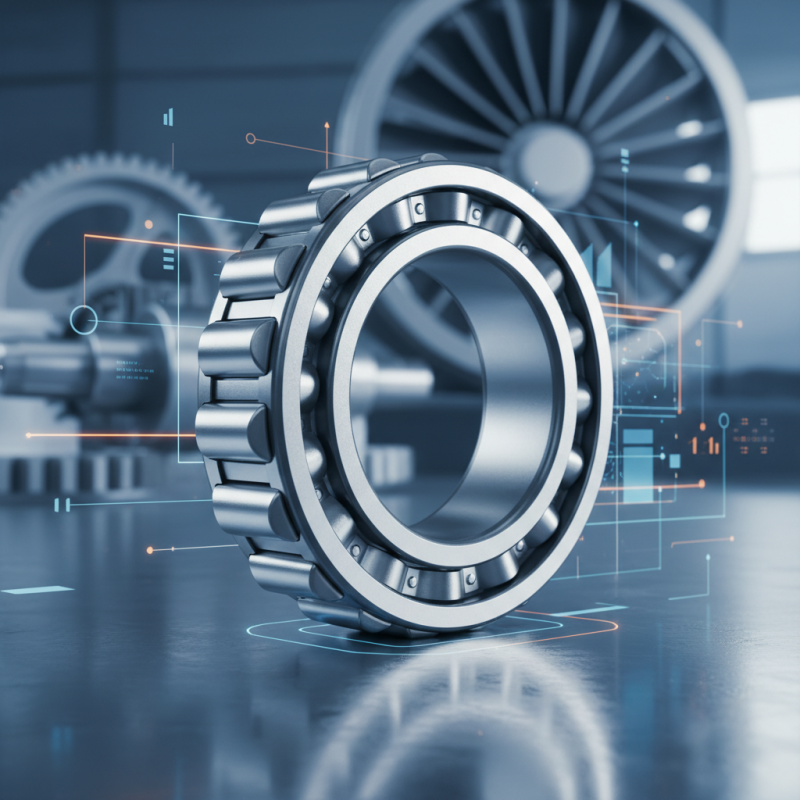
Overview of Tapered Roller Bearings and Their Unique Design Features
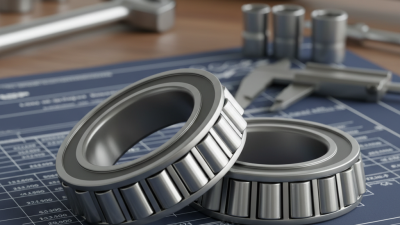
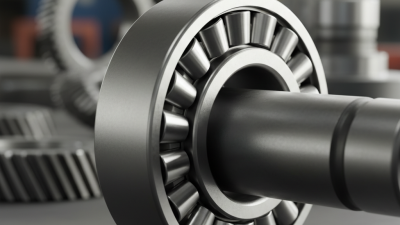
Tapered roller bearings are designed for high-load applications, often found in sectors like automotive and manufacturing. Their unique design features include tapered raceways that allow for precise load distribution. This design enhances their ability to handle both radial and axial loads simultaneously. According to a report by the International Organization for Standardization, properly installed tapered roller bearings can improve the efficiency of machinery by up to 30%.
One key characteristic of these bearings is their ability to support heavy loads while maintaining low friction. This results in reduced heat generation, which is critical for prolonged operation. Studies in the Journal of Mechanical Engineering show that maintaining optimal temperature levels can extend the lifespan of these components significantly. However, installation errors can lead to premature failure, a point that warrants attention in maintenance practices.
Moreover, tapered roller bearings allow for adjustments in fit, which can compensate for wear over time. This adaptability can be a double-edged sword; if not monitored, it may lead to misalignment issues. While these bearings boast impressive durability, understanding their limitations is crucial for industries seeking reliability and performance in their equipment.
Benefits of Tapered Roller Bearings for Industries
| Feature |
Description |
Industry Applications |
Advantages |
| Load Capacity |
Designed to support heavy axial and radial loads. |
Automotive, Construction |
Improved performance under heavy loads. |
| Durability |
Enhanced wear resistance due to their design. |
Mining, Heavy Machinery |
Long service life with reduced maintenance. |
| Alignment |
Designed to accommodate both axial and radial loads simultaneously. |
Aerospace, Rail Transportation |
Better performance in misalignment conditions. |
| Heat Dissipation |
Designed for better thermal management. |
Oil & Gas, Energy |
Reduced risk of overheating. |
| Versatility |
Applicable in various configurations and sizes. |
Manufacturing, Aerospace |
Flexible designs for custom applications. |
Key Advantages of Tapered Roller Bearings in Industrial Applications
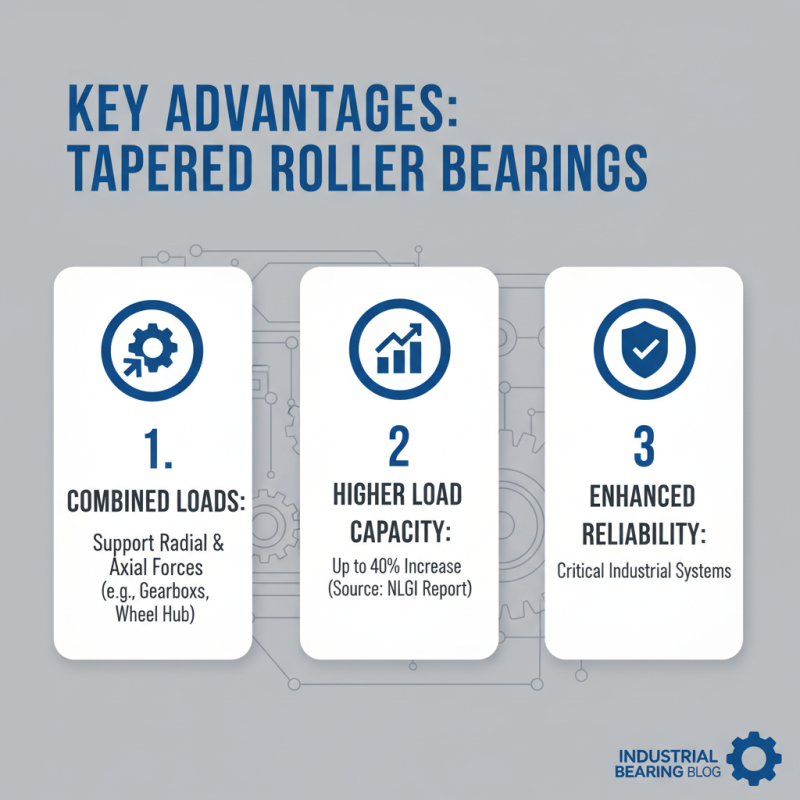
Tapered roller bearings offer significant advantages in various industrial applications. Their ability to support both radial and axial loads makes them essential in machinery such as gearboxes and wheel hubs. According to a report by the National Lubricating Grease Institute, tapered roller bearings can handle higher loads compared to other bearing types, often achieving a load capacity increase of up to 40%. This capacity enhances the reliability of critical systems in manufacturing processes.
Another key benefit is their versatility. They are used in industries ranging from automotive to aerospace. The tapered design allows for an adjustable contact angle, resulting in better performance under misalignment and thermal expansion. A study by the American Society of Mechanical Engineers states that this flexibility can reduce maintenance costs by up to 25% over the bearing's lifespan.
Despite these advantages, proper installation and alignment are crucial. Poor fitting can lead to premature wear and failures. The challenge lies in ensuring that these bearings are used in optimal conditions. Not all setups are ideal, and real-world applications may differ significantly from theoretical models. Therefore, careful consideration is needed when integrating tapered roller bearings into complex industrial systems.
Improved Load Handling Capacity of Tapered Roller Bearings Explained
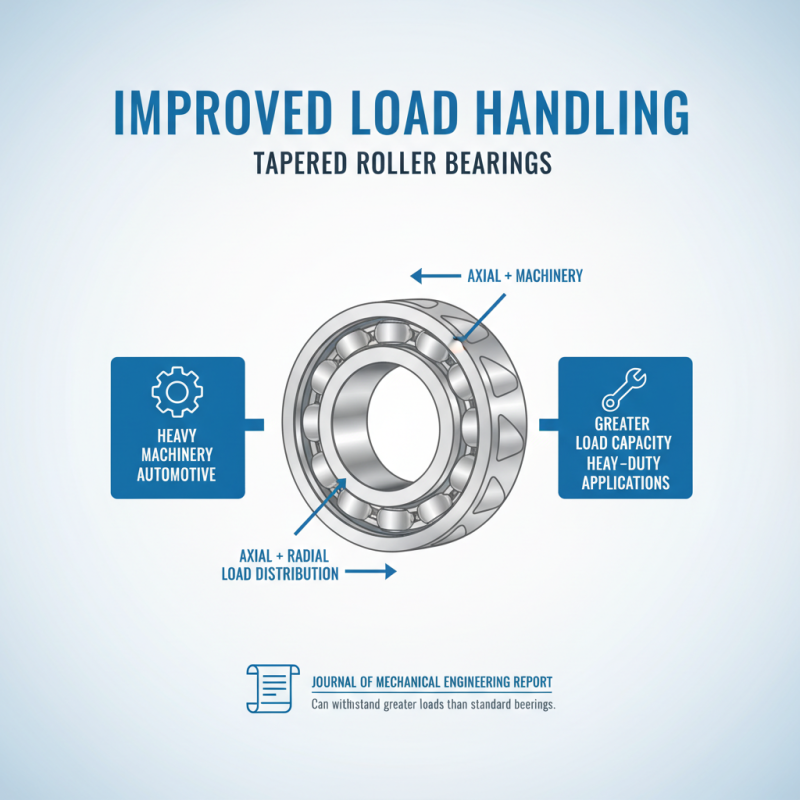
Tapered roller bearings are designed to optimize load handling capacity. Their unique shape allows for effective distribution of loads in both axial and radial directions. This makes them essential in various industries, such as automotive and heavy machinery. According to a report from the Journal of Mechanical Engineering, tapered roller bearings can withstand greater loads than standard bearings, which makes them suitable for heavy-duty applications.
The ability of tapered roller bearings to manage larger loads stems from their geometry. The inclined contact angles enhance the contact area, reducing stress concentration. This can lead to increased operational efficiency and longer service life. Data reveals that these bearings can support loads up to 50% greater than their cylindrical counterparts. This is particularly beneficial in industries where reliability is critical.
Despite their advantages, it is crucial to conduct regular maintenance. Overheating or misalignment can reduce their effectiveness. Regular monitoring can help mitigate these risks. Industries must not overlook the critical role of proper installation and maintenance. Ensuring the longevity and effectiveness of tapered roller bearings relies heavily on consistent attention to detail.
Maintenance and Longevity Benefits of Using Tapered Roller Bearings
Tapered roller bearings are essential components in various industries. They offer significant maintenance benefits that can lead to improved longevity. These bearings efficiently handle both radial and axial loads. This dual capability reduces stress on machinery, making systems operate more smoothly.
According to industry reports, tapered roller bearings can last up to 20% longer than traditional bearings when properly maintained. Regular inspections are critical. Operators often overlook small issues that can escalate into significant problems. A simple misalignment can diminish bearing life. Addressing wear early can save time and costs in the long run.
Implementing a routine maintenance schedule significantly enhances performance. One study indicated a 15% reduction in unplanned downtimes with scheduled check-ups. This proactive approach decreases the risk of equipment failure. Industries are learning the hard way that neglecting maintenance leads to greater expenses. Small adjustments and lubricant checks can ensure these bearings reach their full potential.
Industries That Benefit Most from Tapered Roller Bearings Technology
Tapered roller bearings are crucial in various industries. Their unique design allows them to handle both radial and axial loads efficiently. This feature is particularly beneficial for the automobile industry. Vehicles rely on high performance, and tapered roller bearings enhance reliability in wheel hubs and transmissions.
In the manufacturing sector, tapered roller bearings support heavy machinery. Equipment such as conveyor belts and milling machines use these bearings to manage loads effectively. However, industries must consider maintenance. Regular checks ensure longevity and performance. Neglecting this can lead to premature failures, affecting productivity.
The aerospace industry also benefits. Tapered roller bearings are essential in aircraft engines. They withstand extreme conditions, ensuring safety and performance. The construction industry utilizes them as well, particularly in heavy trucks and equipment. While these bearings offer numerous advantages, proper selection and handling are critical for optimal results.
Benefits of Tapered Roller Bearings for Industries