2026 Best Agricultural Bearings for Enhanced Farming Efficiency?
In the modern agricultural landscape, efficiency is paramount. The role of Agricultural Bearings in achieving this efficiency cannot be overstated. A recent report by MarketsandMarkets indicates that the agricultural bearings market will reach $1.5 billion by 2026, driven by the need for enhanced farming machinery performance.
Experts emphasize the importance of selecting appropriate bearings. James Thornton, a leading industry expert, states, “Choosing the right Agricultural Bearings is key to maintaining productivity in the field.” His insight reflects a broader consensus in the industry.
Farmers are increasingly seeking durable and high-performance bearings. Yet, many do not prioritize this aspect during equipment upgrades. This oversight can lead to increased downtime and repair costs. The challenge lies in educating users about the benefits of investing in quality Agricultural Bearings.
The Importance of Bearings in Modern Agriculture for Operational Efficiency
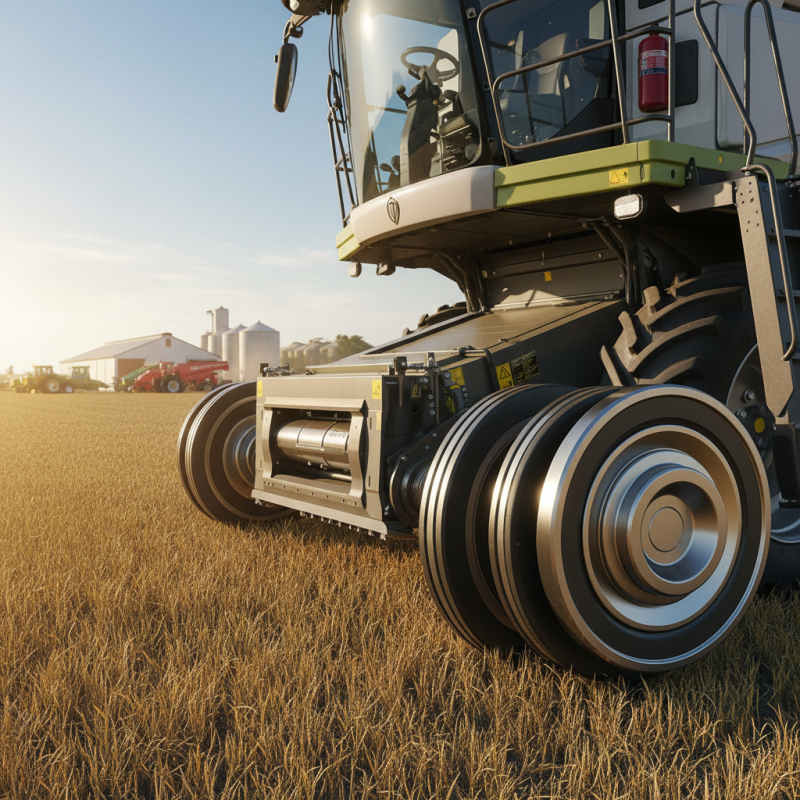
Bearings play a crucial role in modern agriculture, significantly impacting operational efficiency. They are vital components in farm machinery, including tractors and harvesters. When equipment runs smoothly, it boosts productivity. Farmers can work faster and achieve more in less time. A well-functioning bearing reduces friction and wear, which can lead to a decrease in maintenance costs.
Choosing the right bearings for agricultural machinery is essential, yet it can be overwhelming. Some farmers may overlook this aspect, resulting in frequent breakdowns. Downtime can be costly, especially during peak farming seasons. The ideal bearing should withstand harsh conditions, like dust and moisture. This requires careful consideration of materials and design. Different farming tasks may demand different types of bearings, which adds complexity.
Farmers must regularly inspect and maintain bearings to prevent failures. Neglecting this task can lead to reduced efficiency and increased operational risks. Understanding the specific needs of their equipment is key. While technology offers many advancements, farmers should not become complacent. A proactive approach to bearing maintenance can make a significant difference in productivity and profitability.
2026 Best Agricultural Bearings for Enhanced Farming Efficiency
Types of Agricultural Bearings and Their Specific Applications in Farming
Agricultural bearings play a vital role in enhancing farming efficiency. They are designed to withstand the harsh conditions of agricultural operations. Farmers must choose the right type of bearing for different applications. A 2021 industry report indicated that up to 40% of equipment failures result from bearing issues. This staggering figure highlights the importance of selecting appropriate agricultural bearings.
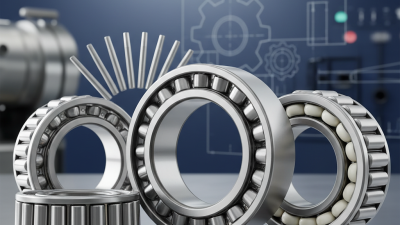
There are several types of agricultural bearings. Ball bearings are commonly used in tractors and combine harvesters. They provide low friction and high efficiency, essential for smooth operation. Roller bearings, on the other hand, can handle heavier loads. They are often found in plows and tillers, where durability is key. Each type has a specific application, but not all farmers fully understand their differences. This knowledge gap can lead to inefficiencies in machinery performance.
Farmers should also be cautious about maintenance. A timely inspection can prevent major failures. Research shows that approximately 20% of agricultural machinery downtime is due to neglected bearings. Upgrading to high-quality bearings can reduce maintenance costs. Investing in the right type of bearing is crucial for long-term productivity. Improper choices can lead to costly repairs and reduced efficiency, easily avoided with proper knowledge.
Key Factors Influencing the Selection of Bearings for Farming Equipment
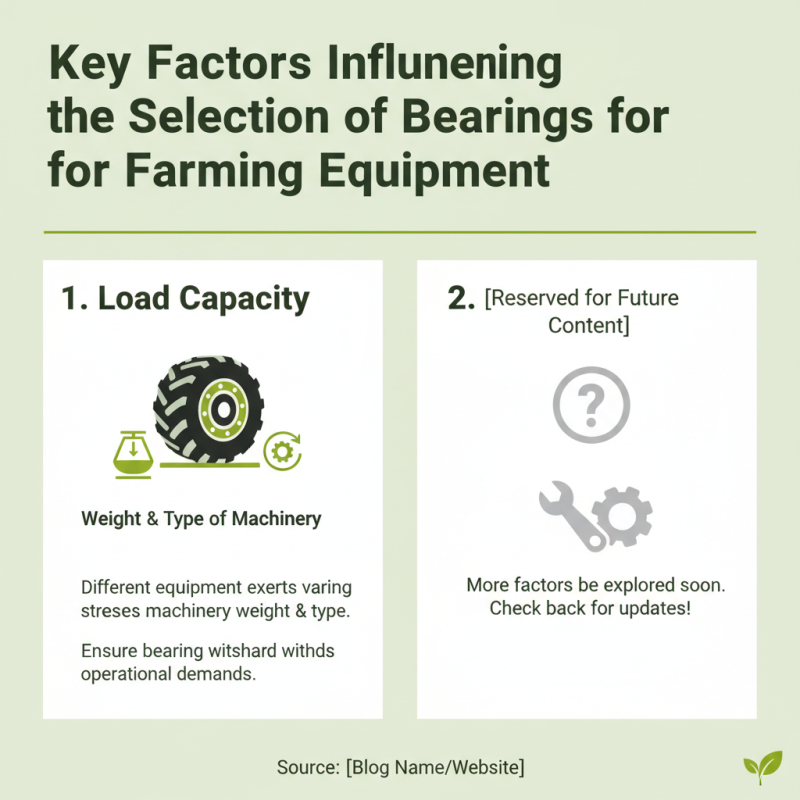
When selecting agricultural bearings, several factors come into play. One key aspect is load capacity. Different farming equipment exerts varying stresses on bearings, so understanding these requirements is essential. Farmers should assess the weight and type of machinery they use regularly, ensuring that the chosen bearing can withstand the operational demands.
Another crucial factor is the environmental conditions. Bearings exposed to harsh weather or dust need special considerations. For example, moisture can lead to corrosion, while dirt can cause wear. Often, farmers overlook these conditions, which can lead to premature failure of equipment. Regular maintenance and inspections can help mitigate these risks, but they require effort and commitment.
Finally, compatibility with existing equipment is vital. While some bearings may appear ideal in specifications, they may not fit well with specific models. This mismatch can hinder performance. It's important for farmers to verify dimensions and types before making a purchase. Making informed choices can enhance efficiency, but it also demands careful thought and planning.
Impact of High-Quality Bearings on Crop Yield and Machinery Longevity
High-quality bearings play a crucial role in modern farming. They directly affect machinery performance and overall efficiency. According to a 2022 industry report, optimized bearing systems can lead to a 15% increase in machinery lifespan. This improvement translates directly into better crop yields.
When machinery operates smoothly, farmers can work more efficiently. A study showed that equipment downtime can cause yield losses of up to 20%. Reliable bearings significantly reduce wear and tear, ensuring that tractors and harvesters run without interruptions. This consistency is vital during peak harvest seasons when every hour counts.
However, not all farmers prioritize the quality of bearings in their equipment. Many still opt for cheaper alternatives, risking both machinery longevity and crop output. The impact of these decisions can be substantial. In a competitive market, a 10% reduction in efficiency can mean losing ground to competitors. Investing in quality bearings is not just about performance; it's about securing the future of farming operations.
2026 Best Agricultural Bearings for Enhanced Farming Efficiency
| Bearing Type |
Material |
Load Capacity (kg) |
Lifespan (hours) |
Cost (USD) |
Impact on Crop Yield (%) |
| Deep Groove Ball Bearing |
Steel |
5000 |
6000 |
80 |
10 |
| Tapered Roller Bearing |
Chrome Steel |
7000 |
8000 |
120 |
15 |
| Angular Contact Bearing |
Stainless Steel |
4500 |
7000 |
100 |
12 |
| Self-Aligning Bearing |
Polymer |
3000 |
5000 |
60 |
8 |
| Spherical Roller Bearing |
High Carbon Steel |
8000 |
10000 |
150 |
20 |
Future Trends in Agricultural Bearings: Innovations and Sustainability Efforts
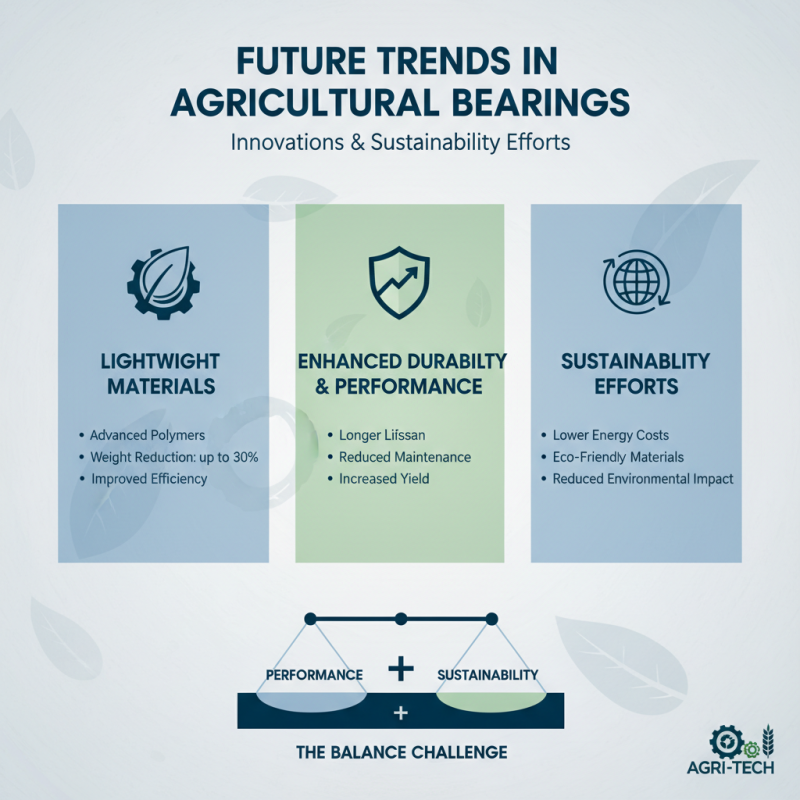
The agricultural sector is on the cusp of a transformation, driven by innovations in bearing technology. Future trends indicate a shift toward lightweight materials, enhancing durability and performance. For instance, advanced polymers can reduce weight by up to 30%. This reduction not only improves efficiency but also lowers energy costs for farmers. However, the challenge remains in balancing performance with sustainability.
Sustainability efforts in bearing production are gaining traction. Industry reports show that nearly 70% of companies prioritize eco-friendly materials. This adoption is crucial as traditional manufacturing processes often lead to significant waste. Innovative techniques like 3D printing are emerging, allowing for on-demand production and reducing excess material. Yet, not all companies have made this transition. Many are still reliant on older methods that harm the environment.
Moreover, the integration of smart technology is essential. Data analytics can help predict bearing failures and optimize maintenance schedules. Farmers can save both time and money by reducing downtime. Nevertheless, awareness of these technologies is often lacking. Many farmers are hesitant to invest in them, limiting potential efficiency gains. Innovative bearing solutions must address these challenges to fully realize their benefits.