2026 Best Bearing Roller Types for Efficient Performance?
In the rapidly evolving world of manufacturing, the role of Bearing Roller technology cannot be overstated. John Smith, a leading expert in bearing solutions, emphasizes, "The right Bearing Roller can enhance performance significantly." As we look toward 2026, innovations in Bearing Roller types are crucial for efficient operations.
The upcoming 139th Canton Fair is set to spotlight advanced manufacturing and machinery. It offers an opportunity to explore the latest Bearing Roller designs. Attendees can see how these advancements can lead to improved efficiency and productivity. With AI integration, finding suppliers with high standards like ISO and CE certifications will be easier.
However, while many companies are excited about these developments, challenges remain. Employers often face issues with adopting new technologies. Sometimes, the best practices aren't evident. Reflecting on these obstacles can inspire further growth. The quest for efficient Bearing Roller solutions is ongoing, showcasing the dynamic nature of the industry.

Types of Bearing Rollers: An Overview of Common Variants
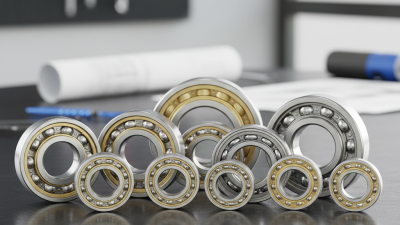
Bearing rollers play a crucial role in various mechanical applications. Understanding their types can greatly enhance performance. There are several common variants of bearing rollers available today. These include
cylindrical rollers, spherical rollers, and tapered rollers. Each type has its specific advantages.
Cylindrical rollers are typically used in high-load applications. They provide more contact area than ball bearings. This design results in lower friction and higher load capabilities.
Spherical rollers allow for better alignment. This can be useful in applications subject to misalignment.
Tapered rollers are essential for handling both radial and axial loads. They are often used in vehicle wheel bearings.
Tips: Choose the roller based on load requirements. Consider operating conditions like temperature and speed. Regularly inspect bearings for wear and tear. A slight misalignment can lead to early failure.
Industry reports have shown that proper roller selection can improve efficiency by up to 30%. However, the choice often depends on specific application needs. Not addressing these can result in reduced performance and increased costs. Keeping up with trends in bearing technology also proves beneficial over time.
Key Factors Influencing Bearing Roller Performance
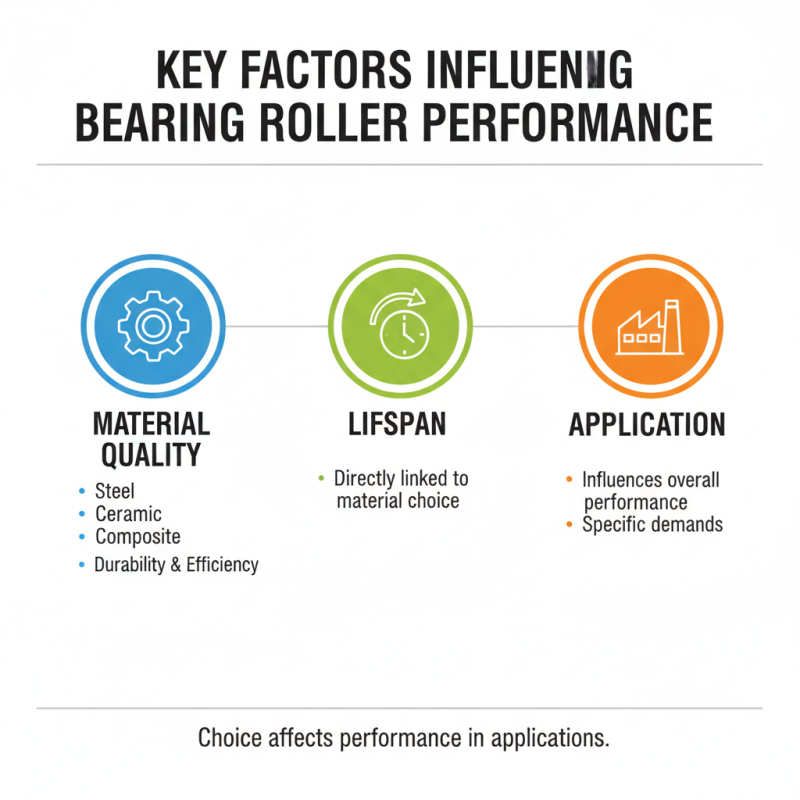
The performance of bearing rollers is influenced by several key factors. Material quality is crucial. Steel, ceramic, and composite materials offer varying degrees of durability and efficiency. The choice of material directly affects the bearing’s lifespan and overall performance in applications.
Another significant factor is the roller design. Different shapes, like cylindrical or tapered, can enhance load distribution and reduce friction. This impacts efficiency significantly. Also, the precision of manufacturing is vital. Small discrepancies in size can lead to failure. Even minor imperfections can result in performance issues and increase maintenance costs.
Lastly, lubrication plays a critical role. The right lubricant minimizes wear and tear. It also lowers operating temperatures, thus prolonging the bearing's life. However, choosing a suitable lubricant can sometimes be a challenge. Sometimes, users might overlook this aspect. This oversight can lead to reduced efficiency and failures. In an industry where every detail counts, these factors cannot be ignored.
Comparing Material Properties for Different Roller Types
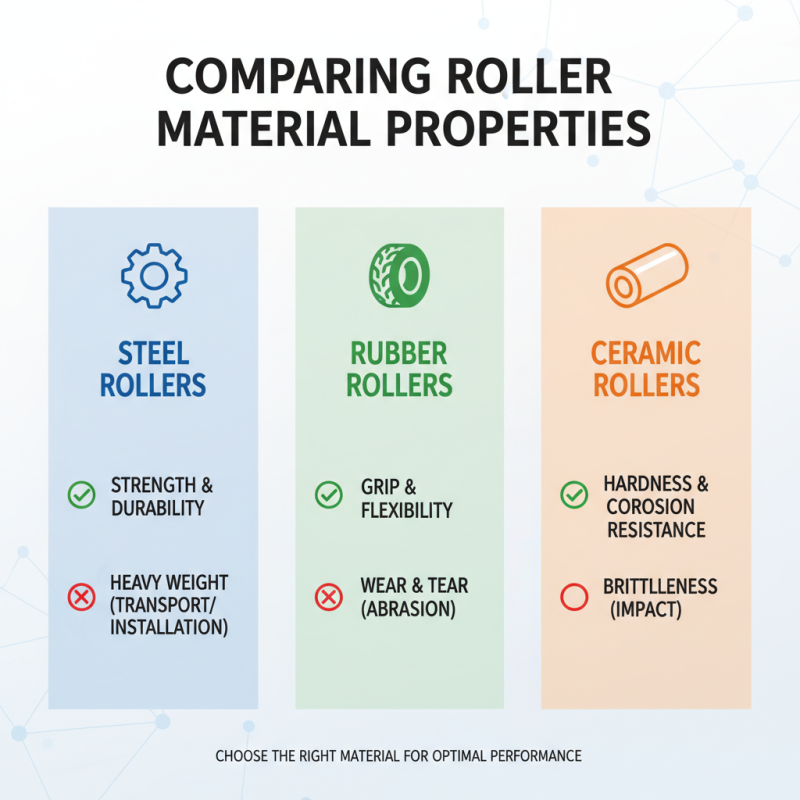
When choosing roller types, material properties play a crucial role. Different materials offer various advantages in performance. For example, steel rollers are known for their strength and durability. However, they can be heavy, making transportation and installation more challenging.
On the other hand, plastic rollers are lighter, which simplifies handling. They resist corrosion and wear, but might not withstand heavy loads as effectively. Furthermore, rubber rollers provide excellent grip and shock absorption. They are ideal for specific applications, yet may wear out faster compared to metal alternatives.
Each material has its weaknesses. Steel may rust without proper maintenance. Plastic can become brittle over time. It's essential to evaluate your specific needs. Think about load requirements and working conditions. Balancing pros and cons is key for achieving optimal performance.
Applications and Use Cases for Each Roller Type
When considering roller types, it’s crucial to understand their specific applications. Bearings are often used in heavy machinery, automotive, and aerospace sectors. For instance, tapered roller bearings excel under heavy loads. A study from the Journal of Mechanical Engineering highlighted that these rollers can handle compressive forces up to 40% more than conventional types.
Another common roller type is spherical roller bearings. They are designed for misalignment, making them perfect for conveyor systems. According to a report by the International Journal of Engineering Research, these bearings have a tendency to fail under vibrations which can lead to unexpected downtime.
Radial ball bearings are widely utilized in smaller applications like electric motors. They provide a balance of efficiency and load capacity. However, their susceptibility to contamination can disrupt performance. A recent industry survey revealed that up to 20% of premature failures in ball bearings stem from poor sealing. It’s essential to choose the right type for your specific needs. Understanding these characteristics can lead to better long-term performance.
2026 Best Bearing Roller Types for Efficient Performance
This chart illustrates the efficiency ratings of various bearing roller types based on their applications and use cases. The chart compares the performance metrics of four roller types commonly used in industrial applications.
Trends and Innovations in Bearing Roller Technology for 2026
In 2026, bearing roller technology is set to advance significantly.
New materials and designs will improve durability and efficiency.
Lightweight composites could replace traditional metals. These changes aim to enhance performance while reducing energy consumption.
Innovations in manufacturing techniques will also play a significant role.
3D printing could allow for custom geometries that optimize load distribution.
This method enables precise control over bearing characteristics.
It’s fascinating, but there are still challenges. The durability of printed materials needs to be evaluated over time.
Sustainability will be a key focus in 2026.
Manufacturers are increasingly looking at eco-friendly materials.
Recycled options may lessen environmental impact. However, the trade-offs between durability and sustainability must be addressed.
Developing a balance will require ongoing research and experimentation. The path ahead is exciting, yet complex.