Why Choose Tapered Bearing Rollers for Your Business Needs?
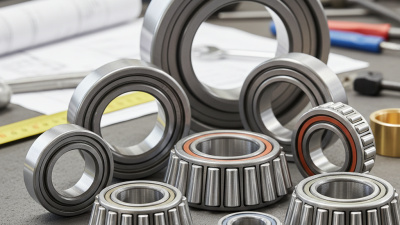
Tapered Bearing Rollers have become essential in diverse industries. Their unique design allows for high load capacity and efficient weight distribution. According to a 2022 industry report from the Bearings Market Analysis Consortium, tapered roller bearings account for over 30% of the global bearing market share. This highlights their vital role in various applications, from automotive to aerospace.
The benefits of using Bearing Roller Tapered extend beyond performance. They excel in minimizing friction and maximizing service life, crucial for industrial machinery operating under heavy loads. Studies indicate that machines using tapered roller bearings can achieve up to a 15% increase in energy efficiency. However, challenges do exist. The initial cost of tapered bearings can be higher than other types, prompting businesses to weigh long-term benefits against short-term expenses.
Using Tapered Bearing Rollers requires a thorough understanding of their specifications and applications. Maintenance practices also play a role in ensuring longevity. Proper installation and regular inspections are key factors. The decision to choose tapered bearings should be informed by market trends and performance data, ensuring that businesses make sound choices tailored to their operational needs.
Advantages of Tapered Bearing Rollers in Load Distribution Efficiency
Tapered bearing rollers have gained prominence in various industries due to their superior load distribution capabilities. These rollers feature a conical shape, allowing them to handle both radial and axial loads simultaneously, making them a preferred choice for many applications. According to a study published by the International Journal of Engineering Research, tapered roller bearings can support as much as 30% more load compared to traditional cylindrical bearings. This efficiency stems from their design, which allows for better alignment under heavy loads.
Moreover, tapered bearing rollers help to reduce friction and wear, resulting in longer operational lifetimes. Data from the Bearing Specialists Association indicates that these components can enhance overall equipment efficiency by up to 20%. However, achieving optimal performance requires proper installation and routine maintenance. Misalignment or inadequate lubrication can lead to premature failure. This highlights the importance of regular inspections, which can often be overlooked in many operations.
While the advantages are clear, it’s essential to note that tapered roller bearings are not without their challenges. Their design can complicate manufacturing processes and increase initial costs. Companies must weigh these factors carefully before integrating these bearings into their systems. Understanding both the benefits and potential pitfalls can lead to better decision-making regarding equipment investments.
Why Choose Tapered Bearing Rollers for Your Business Needs? - Advantages of Tapered Bearing Rollers in Load Distribution Efficiency
| Advantage |
Description |
Load Distribution Efficiency |
Applications |
| Higher Load Capacity |
Tapered rollers can accommodate heavy radial and axial loads. |
Excellent load distribution reducing stress on components. |
Automotive, construction machinery, and industrial equipment. |
| Efficient Space Utilization |
Design allows for compact assembly in limited spaces. |
Provides maximum load handling capability in small footprint. |
Tight assemblies in automotive and aerospace applications. |
| Versatile Applications |
Effectively used in various machine configurations. |
Adaptability for different load conditions enhances efficiency. |
Heavy machinery, wind turbines, and mining equipment. |
| Improved Performance |
Reduces friction and increases operational efficiency. |
Enhanced load distribution leads to prolonged equipment lifespan. |
High-speed applications in automotive and robotics. |
| Reduced Maintenance Costs |
Durability and reliability decrease frequency of repairs. |
Lower load on bearings translates to less wear and safer operations. |
Used in conveyor systems and industrial automation. |
Impact of Tapered Bearing Rollers on Equipment Longevity and Reliability
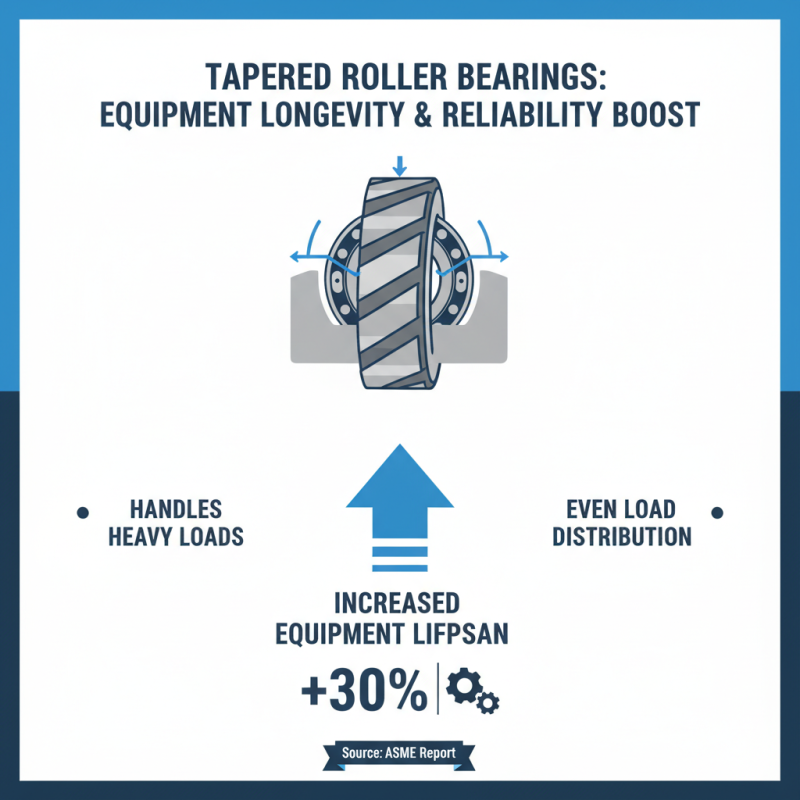
Tapered bearing rollers play a crucial role in enhancing equipment longevity and reliability. These components are designed to handle heavy loads and provide superior performance in various applications. According to a report from the American Society of Mechanical Engineers, tapered bearings can increase equipment lifespan by up to 30% when compared to standard bearings. This is largely due to their ability to distribute loads evenly, reducing wear and tear on machinery.
In rigorous testing environments, tapered bearing rollers have demonstrated exceptional resilience. They exhibit low friction levels, which leads to less heat generated during operation. This is vital, as excessive heat can lead to premature failures. Reports suggest that equipment using tapered bearings can experience a reduction in maintenance costs by as much as 25%. However, it’s important to note that proper installation and alignment are critical. Many operators underestimate this aspect, resulting in decreased performance and reliability.
Selection of the right materials is also a concern. While tapered bearings are often made from high-quality steel, some manufacturers cut corners with inferior materials. This can compromise their effectiveness. Regular performance assessments should be conducted to ensure that the bearings maintain optimal function throughout their use. Keeping a close eye on these components can prevent unexpected breakdowns and maximize throughput.
Cost-Benefit Analysis of Implementing Tapered Bearing Rollers in Industry
Tapered bearing rollers play a crucial role in industries that rely on high load capacities and reduced friction.
According to an industry report from the International Bearings Association, the use of tapered bearings can improve efficiency by
up to 30%. This is particularly significant in manufacturing, automotive, and aerospace sectors, where machinery faces constant stress.
Investing in tapered bearing rollers can yield substantial returns. A study by the Engineered Bearings Institute revealed that companies saw a
20% reduction in downtime after switching to these specialized bearings. Less downtime translates to increased productivity and, ultimately,
higher profits. However, the initial costs can be a concern. Companies must weigh these upfront investments against long-term operational savings.
Maintenance is another key area to consider. While tapered bearings tend to last longer and require fewer replacements, the complexity of installation and potential need for specialized skills can
lead to unexpected expenses. These factors warrant careful analysis. The cost-benefit equation may not be so straightforward depending on the application and existing equipment. Understanding
these dynamics is essential for making an informed decision.
Comparison of Tapered vs. Other Bearing Types in High-Performance Applications
In the competitive landscape of high-performance applications, selecting the right bearing type is critical. Tapered bearing rollers are favored for their ability to handle both radial and axial loads efficiently. According to industry data, about 40% of bearings used in heavy machinery are tapered, showcasing their reliability in demanding conditions. Their design facilitates a larger contact area, enhancing load distribution and minimizing wear.
Compared to spherical or cylindrical bearings, tapered rollers perform better under angular misalignments. They exhibit lower friction levels, making them ideal for high-speed applications. A recent report indicates that businesses using tapered bearings experience a 20% reduction in maintenance costs. This is crucial for sustaining productivity in operations where downtime can be costly.
**Tips:** When selecting bearings, consider the environment. Contamination can drastically reduce bearing life. Ensure proper sealing to protect against dust and moisture. Also, reevaluate your choices periodically; new materials may offer advantages over traditional steel. Regularly assess the performance of your bearing type to adapt to changing operational demands.
Comparison of Tapered vs. Other Bearing Types in High-Performance Applications
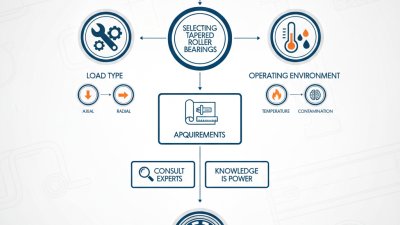
Industry Standards and Best Practices for Tapered Bearing Roller Selection
When selecting tapered bearing rollers for your business, understanding industry standards is crucial. These bearings are perfect for applications that require high load capacities and durability. However, not all tapered rollers are created equal. Choosing the right ones can greatly impact performance.
Tips: Always check the load ratings. This ensures the rollers can handle the specific loads in your applications. A mismatch can lead to equipment failure.
Another important consideration is the material. High-quality materials provide better wear resistance. They can significantly enhance the lifespan of your machinery. Keep in mind that not every material suits every application.
Tips: Consult manufacturer guidelines for material specifications. This helps you avoid costly mistakes down the line. Regular assessments of your selection process can reveal areas for improvement. It's a cycle of learning and refining.