Why Choose Tapered Roller Wheel Bearings for Your Vehicle?
In the automotive world, choosing the right components is crucial. Tapered Roller Wheel Bearings have gained significant attention due to their unique design. Expert John Stevens, an industry leader known for his research on wheel bearings, stated, “Tapered Roller Wheel Bearings offer unmatched load distribution and durability.” This insight highlights their importance in modern vehicle performance.
Tapered Roller Wheel Bearings excel in handling radial and axial loads. Their tapered design allows for a more efficient weight distribution. This results in smoother operation and greater longevity. Many manufacturers are now integrating this technology to enhance vehicle reliability. However, not all bearings are created equal. Buyers should consider quality certifications and engineering standards when making selections.
The market can be overwhelming, with numerous options available. It's essential to navigate carefully. In the pursuit of performance, overlooking details can lead to setbacks. Ensuring you choose the right Tapered Roller Wheel Bearings can significantly impact your vehicle's performance. Consider the implications of your choices, as they can define your driving experience.
Benefits of Tapered Roller Wheel Bearings for Vehicle Performance
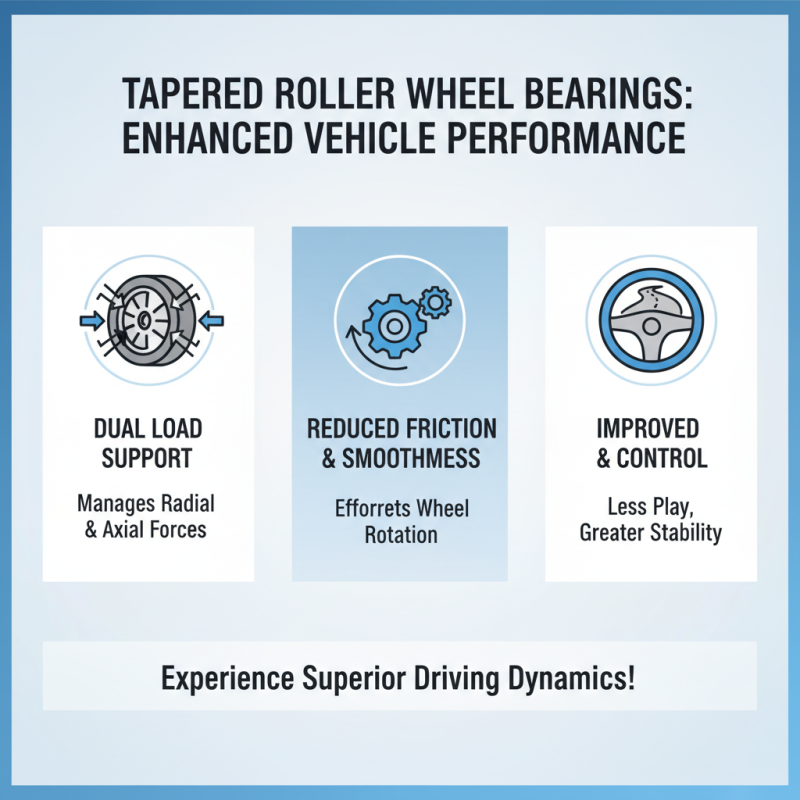
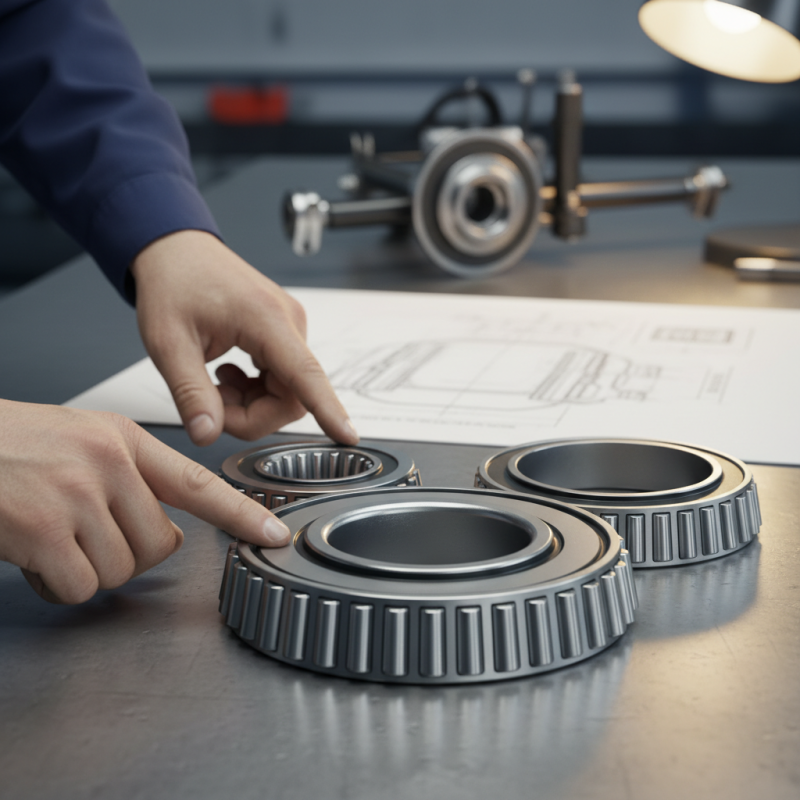
Tapered roller wheel bearings are crucial for vehicle performance. They support both radial and axial loads. This design reduces friction, allowing for smooth wheel rotation. Many drivers report enhanced handling and stability. The tapered design fits snugly, which minimizes play, resulting in better control.
One significant benefit is their durability. These bearings often outlast conventional ones. However, they require proper installation and regular maintenance. Neglect can lead to premature wear, which is a common oversight. Smooth operation helps improve fuel efficiency. Drivers might notice a decrease in fuel consumption over time, making these bearings a cost-effective choice.
In rainy conditions, the performance of tapered roller bearings shines. They resist water ingress better than some other types. This resistance reduces the risk of rust and corrosion. Yet, some users may find them challenging to replace. Incorrect installation could lead to alignment issues, affecting vehicle handling. Always consider these factors when choosing bearings for your vehicle.
Comparison with Other Bearing Types: Why Tapered Stands Out
Tapered roller wheel bearings offer unique advantages over other types of bearings. They can handle both radial and axial loads effectively. This dual functionality makes them ideal for vehicles that require stability during turns. Other bearings, like ball bearings, often struggle with high axial loads. This limitation can lead to increased wear and potential failure.
When it comes to durability, tapered roller bearings are designed to endure harsh conditions. They feature a larger contact area, which helps distribute weight evenly. This aspect is crucial for heavy vehicles. In contrast, spherical or plain bearings may wear out quicker. Their design can’t always support uneven loads.
Tips: Regular maintenance can improve bearing lifespan. Check for unusual noises or vibrations. These may indicate wear. Additionally, ensure proper installation to prevent premature failure. A well-aligned bearing performs better than one that is misaligned. Do not overlook this detail.
Comparison of Bearing Types for Vehicle Applications
This chart illustrates the load capacity of different bearing types used in vehicles. Tapered roller bearings provide superior load capacity compared to other types, making them an excellent choice for various automotive applications.
Key Features of Tapered Roller Bearings That Enhance Durability
Tapered roller bearings are a popular choice for vehicle wheels. They combine strength with performance. This design allows them to handle both radial and axial loads, providing exceptional support. The tapered shape ensures even weight distribution, which enhances durability. Wear and tear are minimized, extending the lifespan of your vehicle's components.
One key feature is the ability to adjust preload. This adjustment improves handling and stability during driving. A proper installation can significantly reduce vibrations. Less vibration equals more comfort while driving. However, improper adjustment can lead to poor performance, highlighting the importance of correct setup.
Tips: Always check installation angles. Small changes can make a difference. Regular inspections can prevent issues. Keeping your bearings clean is crucial. Dirt can cause damage over time. Remember, sometimes less is more. Avoid over-greasing, which can lead to overheating. Be mindful of these aspects to enhance the durability of your tapered roller bearings.
Installation and Maintenance Tips for Tapered Roller Wheel Bearings
When it comes to installation and maintenance of tapered roller wheel bearings, attention to detail is key. First, ensure a clean workspace. Dirt can cause significant issues during installation. Having the right tools is also essential. This means using the proper torque wrench and bearing pullers for your vehicle.
During installation, align the bearings correctly. Misalignment can lead to premature wear. Apply a suitable amount of grease evenly to avoid friction. It's worth taking your time here. Rushing may lead to mistakes that can be costly down the line.
Regular maintenance is crucial for longevity. Check the bearing grease periodically. If it appears dark or gritty, it’s time to replace it. Listen for unusual noises while driving; they often signal a problem. Addressing them early can save you from serious repairs later. Remember, prevention is better than cure in vehicle maintenance.
Applications of Tapered Roller Bearings in Various Vehicle Types
Tapered roller bearings play a vital role in various vehicle types. They are commonly used in trucks, cars, and trailers. These bearings can handle both radial and axial loads. This versatility is crucial for vehicles that face different forces during operation. In trucks, for instance, the bearings support heavy loads while providing stability.
In passenger vehicles, tapered roller bearings improve handling and performance. They ensure smooth wheel rotation. This leads to better fuel efficiency. However, not all vehicles benefit equally from these bearings. Some may experience wear and tear sooner than expected. Regular inspection is needed to address any issues.
Different vehicle types have unique requirements. Larger vehicles may need bearings that can withstand higher stresses. Smaller vehicles might prioritize lightweight options. Manufacturers must consider these factors when selecting bearings. A one-size-fits-all approach may not be effective. Flexibility, in this case, is essential for optimal performance. Vehicles demand specific solutions based on their design and usage conditions.