How to Choose Tapered Roller Wheel Bearings for Optimal Performance?
Choosing the right Tapered Roller Wheel Bearings is crucial for enhancing vehicle performance. These bearings are designed to support both radial and axial loads, ensuring smooth operation. However, many overlook the specifics when selecting them.
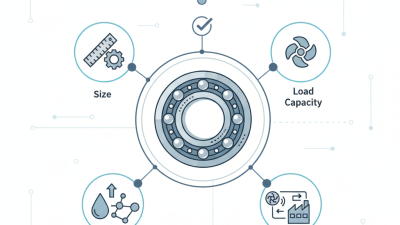
Consider the load ratings. Each bearing has a unique capacity. It's vital to match the load capacity to your vehicle's specifications. Also, think about the size and fit. Improper sizing can lead to premature wear.
Quality matters too. Not all bearings are created equal. Some manufacturers may cut corners. Always opt for reputable brands. This choice can significantly impact your vehicle's longevity. Evaluate your options carefully, and don't rush this important decision.
Understanding Tapered Roller Bearing Designs and Types
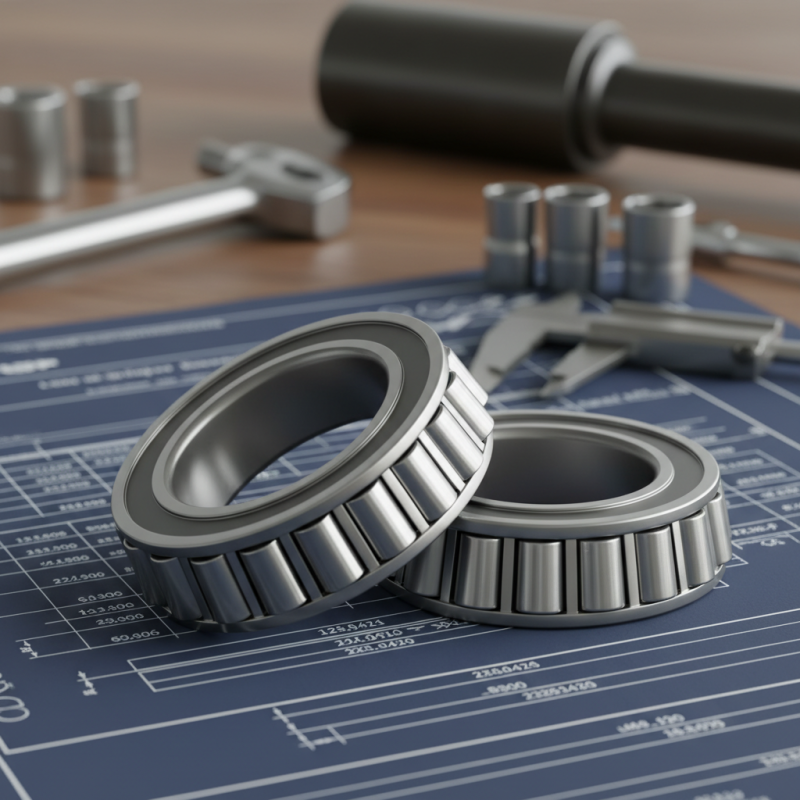
Tapered roller bearings are widely used in various applications, including automotive and industrial machinery. Understanding their designs and types is crucial for optimal performance. The tapered shape allows for efficient load distribution, reducing stress on the bearing materials. This design is particularly beneficial for handling both radial and axial loads.
Different types of tapered roller bearings exist. For instance, single-row bearings are common in light-duty applications. Meanwhile, double-row and four-row varieties are suited for heavier loads. According to the American Bearing Manufacturers Association, proper selection can increase bearing lifespan by up to 50%.
Tips: Always consider the load capacity and speed ratings. Misalignment can lead to premature failure. Regular maintenance checks can prevent unexpected issues too. Ensure that the bearings match the operational environment. Dust and moisture can significantly impact performance.
Choosing the right type involves more than just specifications. It's essential to reflect on your application's unique demands. Sometimes, common choices may not be the best fit. Conducting thorough research can reveal better alternatives that improve efficiency and reliability.
Evaluating Load Capacity and Performance Criteria for Bearings
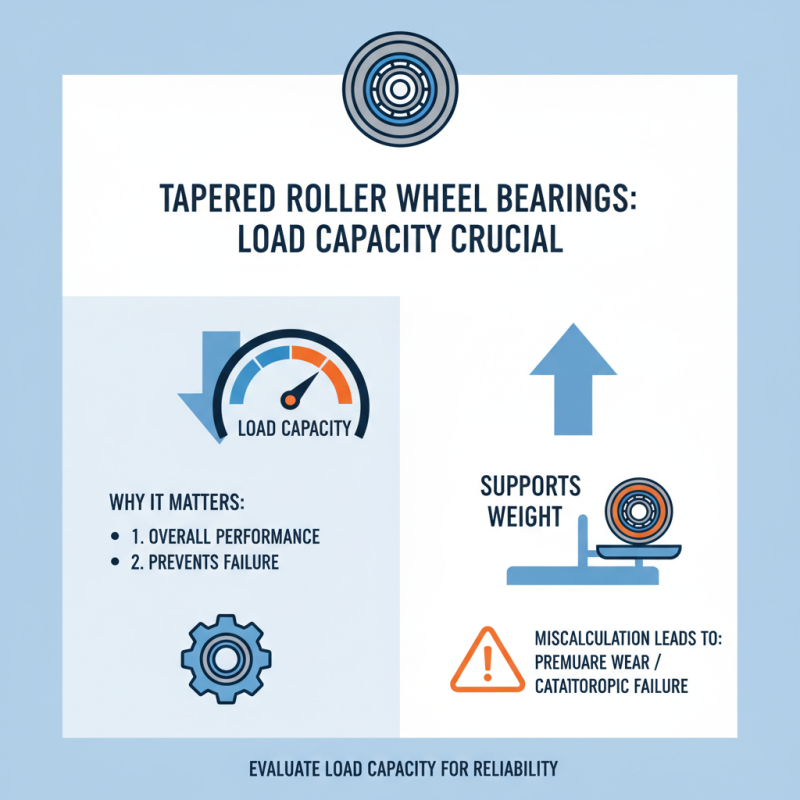
When selecting tapered roller wheel bearings, evaluating load capacity is crucial. This criterion affects the overall performance of the bearings. The load capacity indicates how much weight a bearing can support before failure. Miscalculating this can lead to premature wear or even catastrophic failure.
Understanding the specifics of load ratings is important. Manufacturers provide two values: dynamic and static load ratings. Dynamic ratings apply during active use, while static ratings apply when at rest. Each value serves different applications. Knowing the difference helps in making informed decisions.
Bearings should be matched to their intended use. Overloading them can result in excessive heat, leading to reduced lifespan. Underloading can also cause issues, such as improper seating. Additionally, environmental factors, like humidity or dust, can impact performance. Regular assessments are key to maintaining optimal function and reliability in various conditions.
Assessing Size and Fit Requirements for Tapered Roller Bearings
When selecting tapered roller bearings, size and fit are critical. Precision in these measurements ensures optimal performance. According to industry reports, improper fit can lead to rapid wear and failure. It's essential to consult bearing dimensions accurately, considering factors such as inner and outer diameter, width, and load capacity.
A significant aspect is the load distribution. Achieving the right geometry helps in load management. For instance, studies have found that bearings with better fit provide a 20% increase in longevity. However, many users overlook this. They prioritize cost over quality or fail to verify sizes thoroughly, risking their machinery's efficiency.
Measuring tools such as calipers are essential in this process. They help determine whether the intended bearing will achieve the desired tightness or clearance. Misjudgments in choosing sizes can lead to issues like vibrations or overheating. Comprehensive testing should be done post-installation to ensure everything aligns perfectly.
How to Choose Tapered Roller Wheel Bearings for Optimal Performance?
| Specification |
Size (mm) |
Dynamic Load Rating (kN) |
Static Load Rating (kN) |
Limit Speed (r/min) |
Weight (kg) |
| Bearing A |
35 x 72 x 17 |
33.5 |
32.5 |
5200 |
0.450 |
| Bearing B |
40 x 80 x 18 |
42.5 |
41.5 |
4800 |
0.530 |
| Bearing C |
45 x 90 x 20 |
55.0 |
54.0 |
4200 |
0.650 |
| Bearing D |
50 x 100 x 25 |
75.0 |
73.0 |
4000 |
0.800 |
Material Composition and Durability Factors in Bearing Selection
When selecting tapered roller wheel bearings, material composition plays a crucial role. Bearings are often made from chrome steel, stainless steel, or ceramic materials. Chrome steel is the most common choice due to its excellent hardness and wear resistance. However, stainless steel offers superior corrosion resistance, which is vital in harsh environments. According to industry reports, ceramic bearings can provide higher performance in terms of speed and reduced friction. Yet, the cost is significantly higher.
Durability factors also heavily influence bearing performance. A recent study revealed that the life expectancy of high-quality tapered roller bearings can reach up to 100,000 hours with proper maintenance. However, factors like lubrication and operating conditions can dramatically affect this. In environments with high contamination, even top-tier bearings may fail prematurely. Regular inspections are necessary. Ignoring this can lead to unexpected breakdowns.
Selecting the right material is just one piece of the puzzle. Proper lubrication is often overlooked. Many users underestimate its importance. Failure to apply the right lubricant can reduce bearing life significantly. A proper understanding of both material composition and maintenance practices is essential for achieving optimal performance.
Best Practices for Installation and Maintenance of Roller Bearings
Installing tapered roller bearings requires precision. Clean the surfaces before installation. Use a proper alignment technique. Misalignment can cause early failure. Ensure that the bearing raceways are smooth and free from damage.
Applying the correct amount of lubricant is crucial. Too much can cause excessive heat. Too little can lead to friction. Follow the manufacturer's guidelines for grease thickness. Regularly check the bearings for wear. Inspect for abnormal noises during operation.
Maintenance is ongoing. Periodically clean the bearings and inspect them. Use a soft cloth to remove dirt. Replace any damaged parts promptly. Keeping a maintenance log can help track performance over time. Monitoring will aid in identifying patterns of wear.