How to Choose the Right Ball Bearings for Your Application?
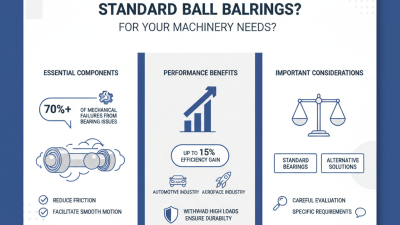
Choosing the right ball bearings for your application can be challenging. The selection affects performance and durability. Bearings ball are essential components in many machines. They reduce friction and enable smooth movement.
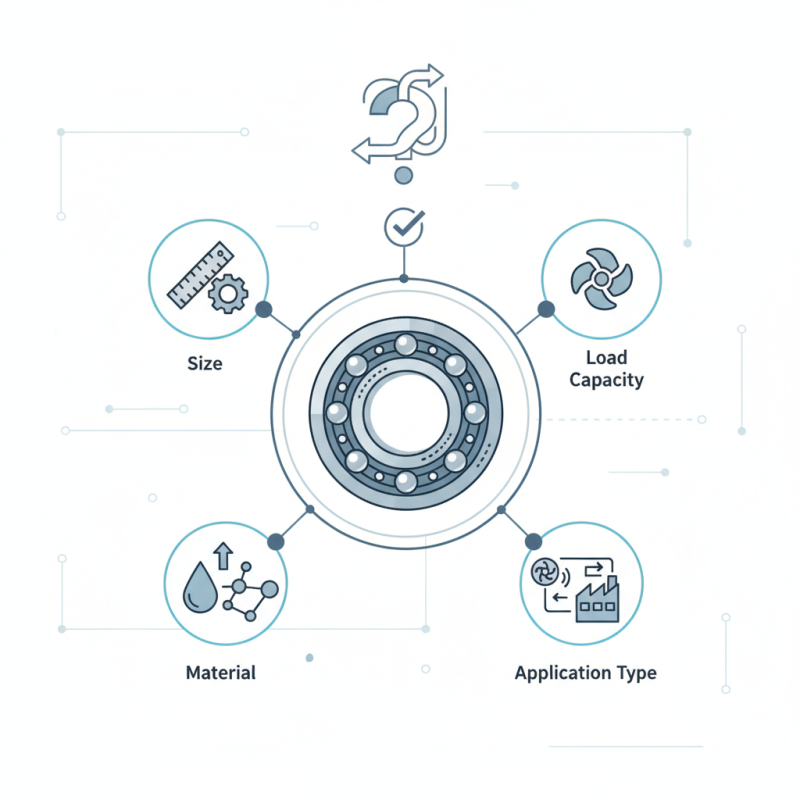
When selecting, consider several factors. Size, load capacity, and material are vital. Each application has unique requirements. Missteps in choosing can lead to failures or inefficiencies. Remember, not all bearings ball are created equal.
Understanding the specifics of your application is crucial. Sometimes, the best option may surprise you. It’s easy to overlook details in this process. Take your time to research available options. The right choice can enhance your machine's efficiency and lifespan.
Understanding the Types of Ball Bearings and Their Applications
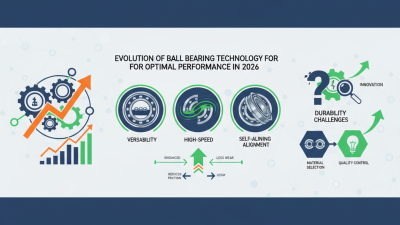
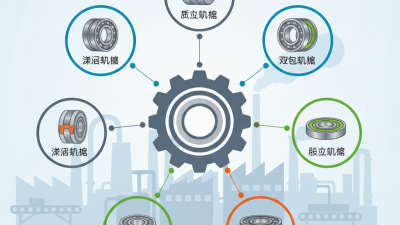
When selecting ball bearings, understanding their types and applications is crucial. Deep groove ball bearings are common in many machines. They are versatile and can support radial and axial loads effectively. Another popular type is angular contact ball bearings. These bearings excel in applications with combined loads. They often require precise mounting, which can be a challenge in some setups.
Self-aligning bearings are useful in misalignment situations. They can handle misalignments better than other types. However, with this advantage comes a trade-off in load capacity. Radial ball bearings have lower friction, making them ideal for high-speed applications. Yet, they may not perform well under heavy loads. Overlooking these details can lead to unexpected failures in your projects.
Additionally, consider the environment where the bearings will operate. Corrosive or dusty environments require special materials. It's easy to overlook such factors, but they can be critical. Always evaluate your specific needs. Testing different types can reveal the best options for your application. Keep in mind that no one-size-fits-all solution exists in bearing selection.
Ball Bearings Types and Applications
Factors to Consider When Selecting Ball Bearings for Specific Uses
Choosing the right ball bearings involves careful consideration of various factors. Load capacity is essential. The Dynamic Load Rating (D) indicates how much load the bearing can handle while rotating. According to industry data, the load capacity affects performance and longevity. Bearings with higher ratings often come at a higher cost, so assessing your application's needs is crucial.
The environment matters too. Bearings used in humid or corrosive conditions may need special coatings or materials. A study shows that over 50% of bearing failures arise from environmental factors. Operating temperature plays a role as well; higher temperatures can reduce life expectancy. Selecting the right lubricant can help mitigate this issue. Keeping these variables in mind can lead to better choices.
Don't forget about noise and vibration levels. Some applications demand a quieter operation. For instance, electric motors in residential areas may need lower noise emissions. Balancing performance, cost, and environmental factors is not easy. Careful analysis is essential for success, as one wrong choice can lead to operational inefficiencies.
The Role of Material Composition in Ball Bearing Performance
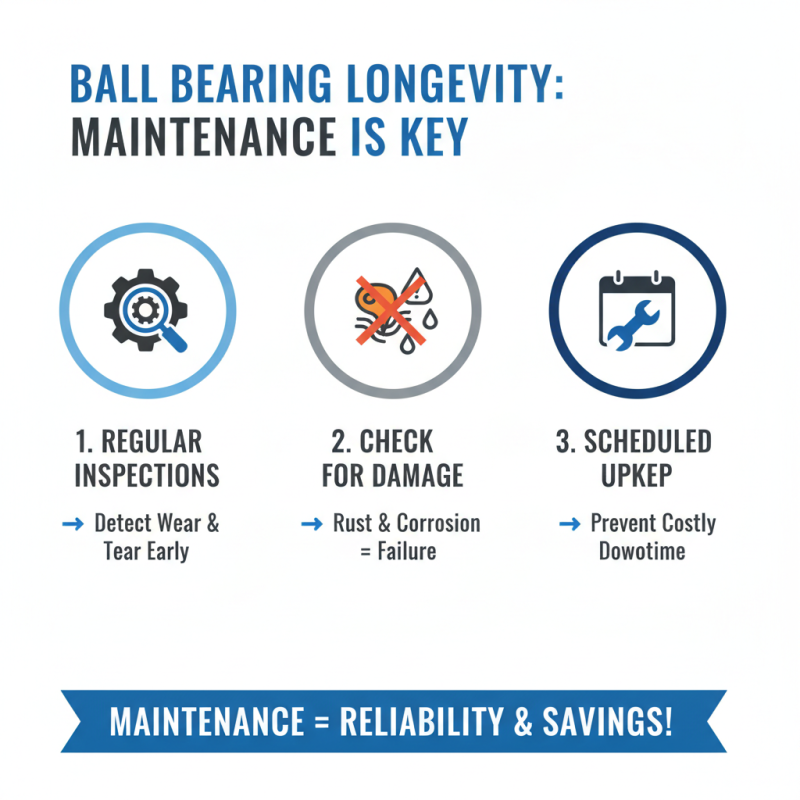
When selecting ball bearings, material composition plays a key role. Steel bearings are common, offering good strength and durability. However, they can corrode over time. This issue can increase maintenance costs and downtime. Using stainless steel can help prevent rust, but it comes at a higher price.
Plastic ball bearings are lightweight and resistant to chemicals. They often suit applications involving moist environments. Yet, they may lack the load-bearing capacity of metal options. This limitation must be considered based on the specific use case. Ceramic materials offer excellent performance under heat, but they are fragile. Additionally, they can be quite expensive.
Each material has its pros and cons. Choosing the right one can be overwhelming. It’s essential to evaluate your specific needs carefully. Consider the operating environment, load requirements, and budget constraints. This decision can significantly affect performance and longevity. So, looking beyond just cost is vital.
How to Choose the Right Ball Bearings for Your Application? - The Role of Material Composition in Ball Bearing Performance
| Material |
Corrosion Resistance |
Load Capacity |
Temperature Resistance |
Typical Applications |
| Chrome Steel |
Moderate |
High |
-20 to 120 °C |
Automotive, Industrial Machinery |
| Stainless Steel |
High |
Moderate |
-50 to 120 °C |
Marine, Food Processing |
| Ceramic |
Very High |
Very High |
-50 to 300 °C |
Aerospace, High-Speed Applications |
| Polymer |
Moderate |
Low |
-20 to 80 °C |
Lightweight Machinery, Electronics |
Evaluating Load Capacity and Speed Ratings for Ball Bearings
When selecting ball bearings, load capacity and speed ratings are crucial. Load capacity indicates how much weight a bearing can handle. It's essential to match the bearing's capacity with the application's needs. If overloaded, the bearing may fail quickly. Misjudging this can lead to costly downtime.
Speed ratings determine how fast a bearing can operate efficiently. Higher speeds generate more heat, impacting performance and longevity. Thus, choosing a bearing rated for higher speeds is vital for applications like motors. However, some users overlook heat dissipation. Ignoring this might lead to premature wear.
Understanding these factors can be challenging. Sometimes, users focus too much on one aspect, neglecting others. A well-rounded approach is necessary. Balancing load capacity with speed ensures optimal performance. Keep in mind that the right choice enhances durability and efficiency.