2026 How to Choose the Right Double Taper Roller Bearing?
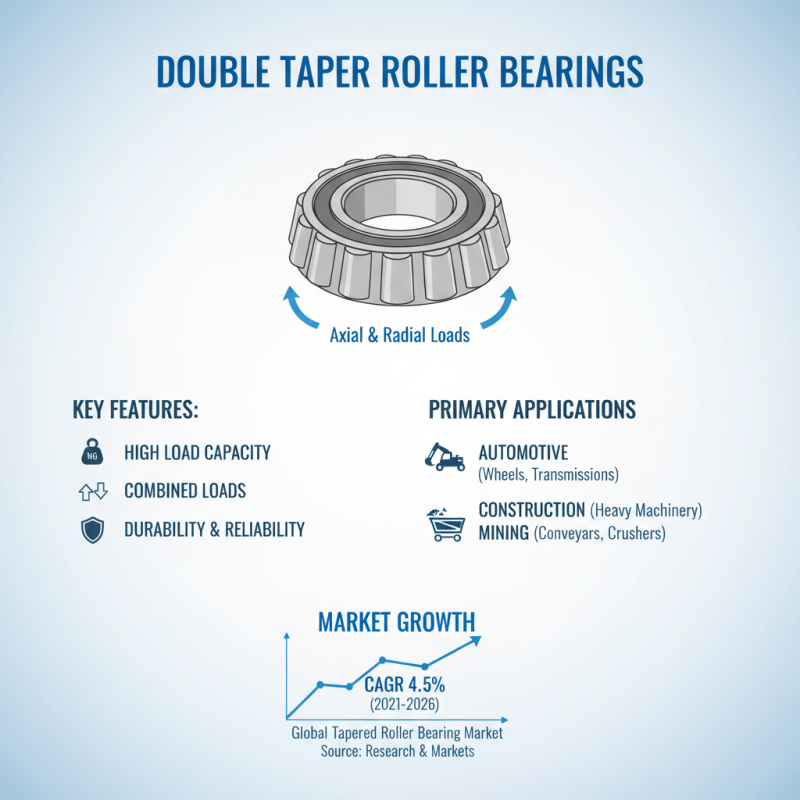
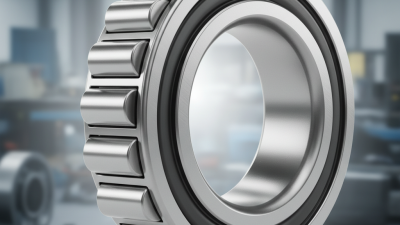
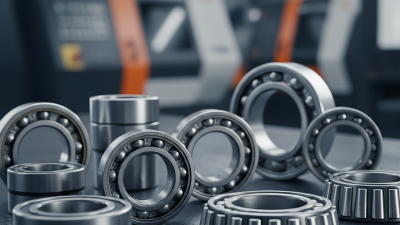
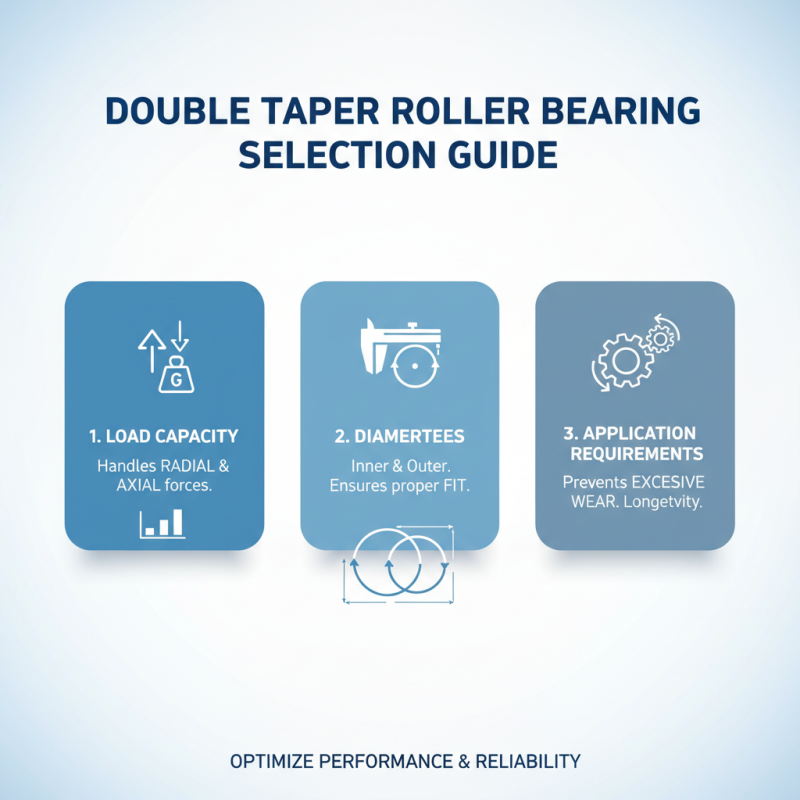
Selecting the right Double Taper Roller Bearing is crucial for optimal machinery performance. These bearings are known for their ability to support both radial and axial loads. They feature an inner ring and an outer ring with tapered surfaces, offering enhanced stability and load distribution.
Understanding the specific needs of your application is paramount. Consider factors such as load capacity, speed, and operating conditions. It’s easy to overlook these details. However, they significantly impact the bearing's longevity and efficiency. An ill-fitting bearing can lead to premature failure.
Consulting with experts or reliable manufacturers can provide valuable insights. They can help identify the best Double Taper Roller Bearing for your needs. Don't underestimate the importance of quality and precision. Choosing wisely can save time, money, and resources in the long run. Mistakes in selection can result in major downtime. Therefore, it’s worth investing in thorough research and evaluation.
Understanding Double Taper Roller Bearings and Their Applications
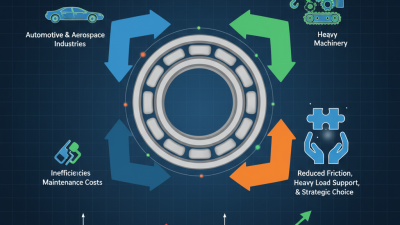
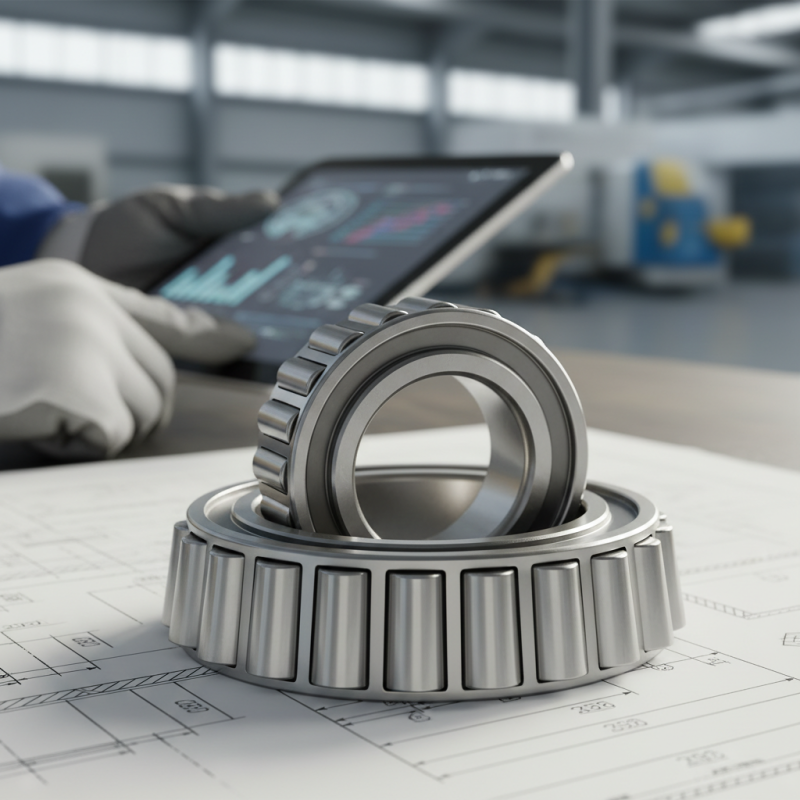
Double taper roller bearings are essential in various industries, including automotive, construction, and mining. These bearings support heavy loads while allowing for axial and radial movement. According to a recent industry report by Research and Markets, the global tapered roller bearing market is projected to grow at a CAGR of 4.5% from 2021 to 2026. This growth emphasizes the increasing demand for reliable bearing solutions.
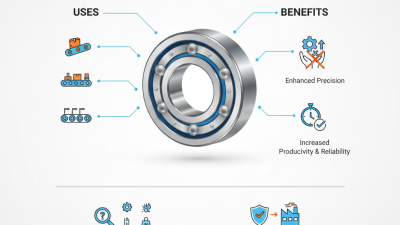
Applications of double taper roller bearings extend beyond simple load support. They are crucial in wheel hubs, conveyor systems, and agricultural machinery. Their design helps reduce friction and wear, enhancing operational efficiency. A study from the International Journal of Mechanical Engineering found that the correct selection can improve machinery lifespan by up to 20%. However, choosing the right bearing involves careful consideration of load requirements and operating conditions.
Many users underestimate the impact of contaminants and lubrication on performance. Frequent maintenance checks can prevent premature failures. Moreover, misalignment during installation can lead to uneven load distribution. Addressing these issues proactively is essential for maximizing bearing performance. Careful selection and installation optimize functionality and minimize downtimes.
Material Choices for Double Taper Roller Bearings: Pros and Cons
When choosing double taper roller bearings, the material plays a significant role. Common materials include steel, ceramic, and composite options. Each comes with distinct properties that can impact performance. Steel is the most widely used due to its strength and durability. According to a report by the American Bearing Manufacturers Association, 70% of bearings are made from this material, showing its prevalence and reliability in various applications.
Ceramic bearings, while less common, offer key advantages. They are lighter and provide excellent resistance to corrosion and wear. However, they can be more brittle than steel, leading to potential failures under heavy loads. A study published by the International Journal of Mechanical Engineering indicates that ceramic bearings can outperform steel in low-load scenarios, but they are not ideal in all situations.
Composite materials, such as polymer blends, provide unique benefits, especially in lightweight applications. These materials can resist high temperatures and harsh environments. However, their long-term reliability compared to steel is still under investigation. Understanding these material properties and their limitations is essential for selecting the right double taper roller bearing for your specific needs. Always assess your application's requirements for optimal performance.
2026 How to Choose the Right Double Taper Roller Bearing? - Material Choices for Double Taper Roller Bearings: Pros and Cons
| Material |
Pros |
Cons |
| Steel |
High strength and durability; good wear resistance. |
May corrode without proper maintenance. |
| Stainless Steel |
Corrosion resistant; suitable for harsh environments. |
Higher cost compared to regular steel. |
| Ceramic |
Lightweight; excellent wear and heat resistance. |
Brittle; can fracture under heavy loads. |
| Bronze |
Good resistance to corrosion and fatigue; excellent for high-load applications. |
Can be more expensive; lower load capacity compared to steel. |
| Polymer |
Lightweight and low friction; good for low-speed applications. |
Lower load capacity; can wear faster than metals. |
Evaluating Load Capacity and Performance in Double Taper Roller Bearings
When choosing double taper roller bearings, load capacity is a crucial factor. Load capacity refers to the maximum weight the bearing can handle without failing. It depends on the material quality, design, and lubrication. Selecting a bearing with inadequate load capacity can lead to early failure. Rigid testing is essential to determine the right specifications.
Performance is another key aspect. This includes speed ratings, temperature range, and resistance to wear. High-speed applications require bearings designed for increased rotational dynamics. Temperature fluctuations can affect lubrication efficiency. Underestimating these factors can result in inefficiencies. It is vital to focus on metrics that align with the application requirements.
Investing time to evaluate these parameters leads to better performance. Potential users should consider the environment where the bearing will operate. Factors like dust, moisture, and temperature extremes can impact longevity. Some users overlook maintenance requirements, leading to performance issues. Proper analysis can improve reliability and efficacy in operation.
2026: Evaluating Load Capacity and Performance in Double Taper Roller Bearings
Installation and Maintenance Tips for Optimal Performance
When installing double taper roller bearings, proper techniques boost their longevity and performance. Ensure a clean environment. Dust or debris can disrupt functionality. Using the right tools is essential. A proper extraction tool prevents damage during maintenance.
Tips for installation include heating the bearing before fitting. This allows easier assembly onto the shaft. Also, alignment is critical. Misalignment increases wear rates, leading to premature failure. Always double-check alignment during installation.
For maintenance, regular lubrication is vital. Monitor lubrication levels frequently to prevent overheating. Too much lubricant can also be harmful. It’s a balancing act. If you notice unusual noise, investigate immediately. Ignoring signs can lead to bigger issues. Regular inspections help identify potential problems early.