How to Choose the Right Bearing Roller Cylindrical for Your Application?
In the world of industrial machinery, selecting the right Bearing Roller Cylindrical is crucial. John Smith, an expert in bearing technology, emphasizes, "The right choice can drastically improve performance." The complexity of various applications makes this choice challenging.
Choosing a Bearing Roller Cylindrical involves understanding load capacity, speed, and operating conditions. Each detail matters. For example, a high-speed application might not need the same level of durability as one that bears heavy loads. Misjudgment here can lead to excess wear or failure.
Moreover, customer feedback often highlights areas for improvement. Sometimes, users find themselves unsure about the specifications they truly need. It’s essential to reflect on not only current requirements but also future demands. Such considerations can prevent costly mistakes down the line.
Understanding the Basic Types of Cylindrical Roller Bearings
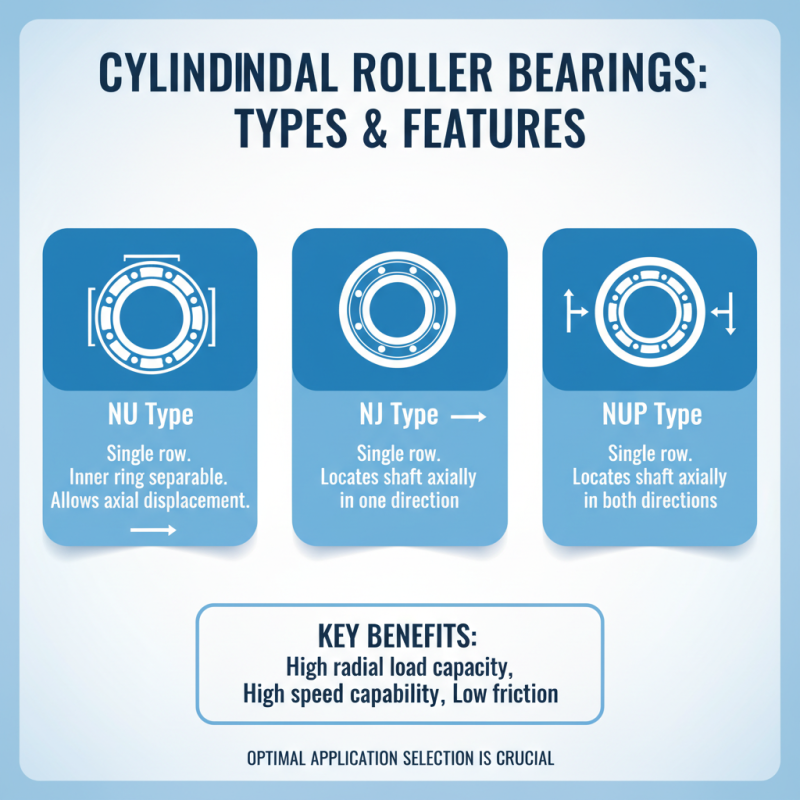
Cylindrical roller bearings come in various types. Each type has unique features and performance characteristics. Understanding these differences is crucial for optimal application selection.
One common type is the single-row cylindrical roller bearing. It offers high load capacity and best for applications with limited axial space. However, they can be susceptible to misalignment issues. Double-row cylindrical roller bearings can accommodate higher loads. They provide better stability, yet installation may require precision.
Another option is the full complement cylindrical roller bearing. These contain more rollers, increasing load capacity. But their thicker design can limit speed capabilities. Assessing the specific requirements of your application is vital. Always consider both performance needs and potential drawbacks.
Factors Affecting Load Capacity and Performance in Applications
When selecting a cylindrical roller bearing, understanding the factors affecting load capacity is crucial. Load capacity is typically influenced by factors such as material choice, roller design, and operating conditions. According to industry reports, steel rollers can support heavier loads compared to polymer alternatives. The choice of material significantly affects the overall performance and longevity of the bearing.
In addition, the geometry of the roller plays a vital role. For example, larger diameters generally provide increased load capacity. A study noted that cylindrical rollers with optimized surface finish and precise dimensions can enhance performance by 20%. However, achieving perfect dimensions during manufacturing is challenging. Even slight deviations can lead to increased wear and reduced load handling efficiency.
Operating conditions also impact performance. Temperature, lubrication, and contamination are all critical factors. For instance, inadequate lubrication can diminish the bearing's life by up to 50%. Regular maintenance is essential for maximizing performance, yet many users overlook this aspect. Simple routines can prevent substantial failures down the road. Balancing all these factors can be complex, and often an empirical approach is necessary to find the right fit for specific applications.
Load Capacity and Performance of Different Cylindrical Roller Bearings
Understanding the Importance of Lubrication in Roller Bearings
Lubrication plays a critical role in the performance and longevity of roller bearings. Insufficient lubrication can lead to metal-to-metal contact, causing wear and overheating. In fact, studies show that effective lubrication can improve bearing life by up to 50%. It reduces friction, minimizes heat generation, and ultimately ensures smooth operation in various applications.
Many applications require specific lubrication types. Grease is common for low-speed operations, while oil is preferred for high-speed situations. Choosing the right lubricant is essential. Some options may work well in certain environments but fail in others. Environmental factors, such as temperature and moisture, should be considered during selection.
Tips: Regularly monitor lubrication levels. Implement a routine check to avoid lubricant depletion. Always refer to the manufacturer's guidelines when selecting lubricants. Understanding viscosity and additives can also be beneficial. Recognizing that not all lubricants are compatible is crucial. Mixing different types can lead to failures. Always prioritize proper lubrication to ensure bearing reliability and performance.
Evaluating Material Selection for Enhanced Durability and Reliability
Selecting the right material for cylinder roller bearings is crucial for performance. Durability and reliability are the primary concerns in heavy industries. According to a report by the American Bearing Manufacturers Association, 60% of bearing failures arise due to poor material choices. Hence, understanding material properties is essential.
Different materials exhibit distinct wear and fatigue characteristics. Steel, for example, is common but may not excel in high-corrosion environments. Alternatives like ceramic or plastic can perform better in specialized applications. However, one must consider trade-offs like strength versus weight. Some materials may offer lightness but could compromise durability.
In real-world applications, testing is fundamental. Data suggests that bearings in high-stress settings may experience failures due to material limitations. Regular assessments can highlight performance gaps. Organizations often overlook this aspect, assuming pre-selected materials are adequate. Engaging with material specialists may bridge this gap, optimizing bearing lifespans effectively.
Analyzing Cost-Effectiveness and Life Cycle in Bearing Selection
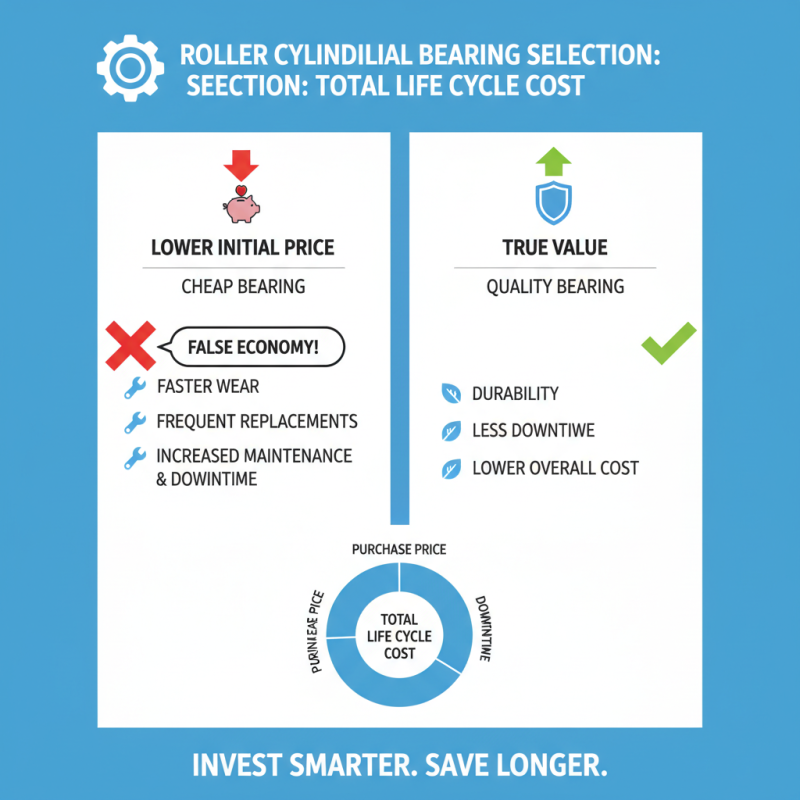
When selecting a roller cylindrical bearing, cost-effectiveness is pivotal. It's not merely about the initial price. A lower-cost bearing may wear out faster, resulting in more frequent replacements. This leads to increased maintenance costs. It's crucial to analyze the total life cycle cost. This includes purchase price, maintenance, and downtime costs.
Evaluate the expected lifespan of the bearing. Consider the workload it will endure. This evaluation should match your application's demands. Sometimes, spending a bit more upfront can yield long-term savings. Weigh quality against cost. Observe how various bearing materials perform under different conditions.
Don't overlook the importance of regular inspections. Catching wear early can prevent larger issues later. Remember, no bearing is flawless. Each design has its weaknesses. Property assessments should also reflect real-world operating conditions. This will help in making the right decision for your needs. Balancing cost and longevity requires thoughtful consideration.