2026 How to Choose the Right Bearing Wheel Roller for Your Needs?
Choosing the right Bearing Wheel Roller can greatly impact performance and efficiency. These components play a crucial role in various industries. Selecting the wrong type may lead to operational issues. Understanding your specific needs is essential for making the best choice.
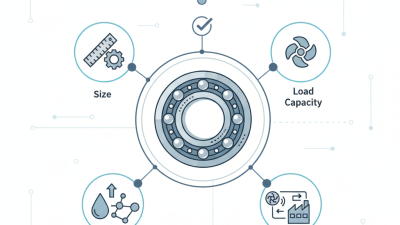
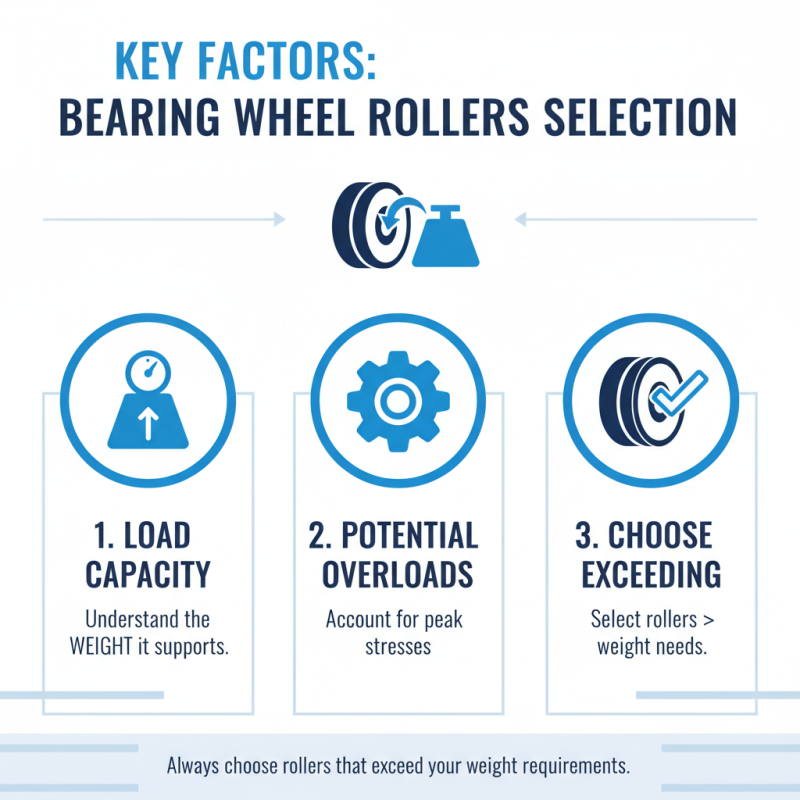
When considering Bearing Wheel Rollers, factors such as load capacity, environment, and application must be assessed. Each roller type has unique properties that suit different scenarios. For example, applications that require high speed may benefit from specific designs. On the other hand, heavy-duty applications need robust options to endure significant loads.
Many overlook the importance of lubrication and maintenance for Bearing Wheel Rollers. Neglecting these aspects can result in premature wear and failure. Reflecting on past experiences may reveal valuable lessons learned. Employing the right strategies can enhance the longevity and performance of your rollers significantly.
Understanding Different Types of Bearing Wheel Rollers
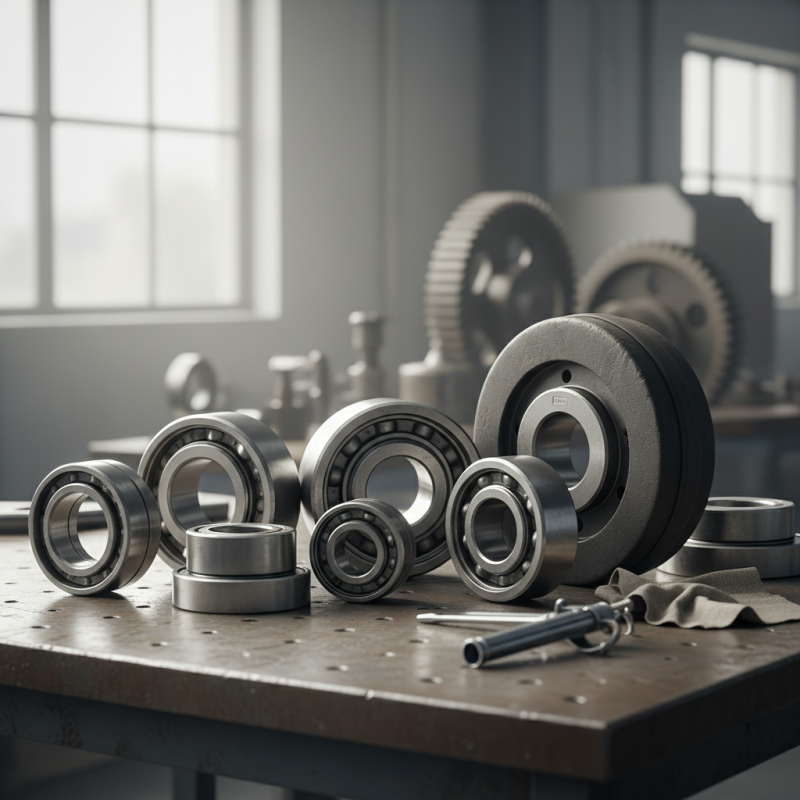
Choosing the right bearing wheel roller can be challenging. Various types of bearing wheel rollers cater to different applications. Understanding these types is crucial for making an informed decision.
Roller bearings are divided into radial and thrust types. Radial bearings handle loads perpendicular to the shaft. In contrast, thrust bearings manage axial loads along the axle. According to a 2022 report from XYZ Industry Analysts, nearly 65% of industries opt for radial bearings due to their robustness and versatility. Thrust bearings, while less common, are vital in heavy machinery settings.
Beyond the structure, material plays a significant role. Steel, ceramic, and plastic bearings serve varied purposes. Steel bearings, for instance, excel in high-load environments, while ceramic ones are ideal for lightweight applications. A notable challenge arises from the selection process. Many professionals overlook the operating environment, which can drastically affect performance. Neglecting factors such as humidity and temperature may lead to premature failure, emphasizing the need for careful evaluation.
Assessing Load Capacity and Performance Specifications
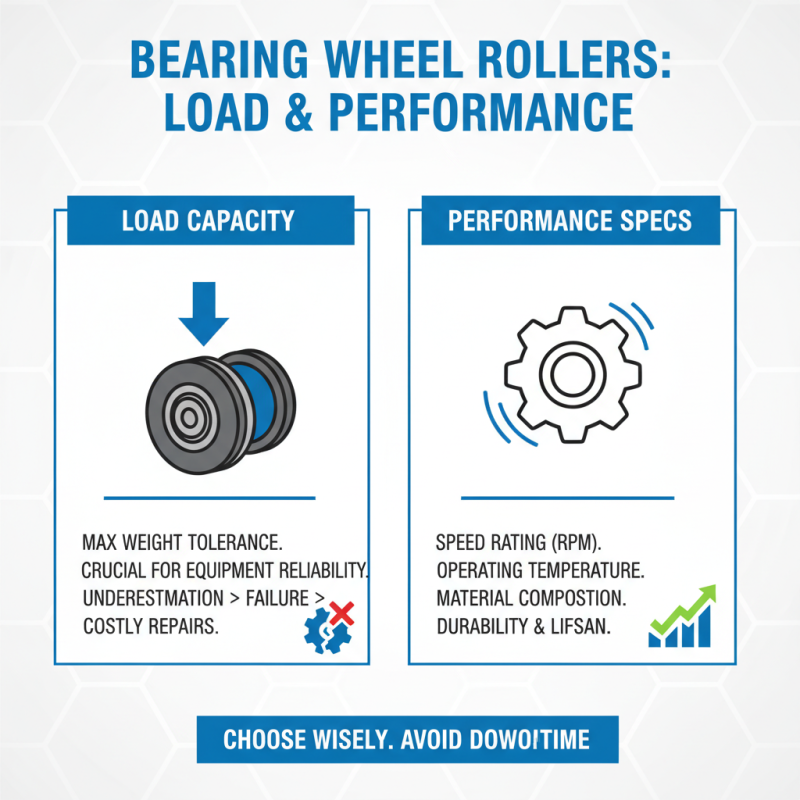
When choosing a bearing wheel roller, load capacity and performance specifications are crucial factors. Understanding how much weight the wheel can bear is essential. A wheel with insufficient load capacity can fail, leading to costly repairs or operational downtime. Often, users underestimate the load demands on their equipment, leading to mismatches.
Performance specifications include speed ratings and friction coefficients. High-speed applications require rollers that can spin quickly without generating excessive heat. Pay attention to materials as well. Some are more suited for outdoor environments, while others excel in indoor settings. A common mistake is focusing on price rather than matching specifications to real needs.
Testing various wheels under actual conditions is advisable. Sometimes, a roller that appears durable may not perform well in practice. Users should consider the environment and type of load when making their choice. Reflecting on past choices can help improve future selections. Adjustments based on performance feedback can enhance operational efficiency.
Material Choices for Bearing Wheel Rollers and Their Impact
Choosing the right material for bearing wheel rollers is crucial. Various materials have distinct properties, affecting performance and durability. Common options include nylon, steel, and polyurethane. Each material has unique benefits.
Nylon is lightweight and resistant to corrosion. It works well in indoor applications but may wear down quickly in harsh conditions.
Steel offers strength and longevity but is heavier. It is ideal for heavy-duty applications. However, steel can rust, requiring regular maintenance.
Polyurethane combines toughness and flexibility. It can handle various loads and is often quieter than metal options. Yet, it may be susceptible to heat and chemicals, depending on formulation.
Understanding your specific needs is essential. Consider the environment where the bearings will operate. Indoor versus outdoor use can influence material choice. Temperature and moisture levels are also significant factors. Reflecting on these questions will lead to better decision-making. Balance your performance needs with environmental factors. Making a thoughtful choice can prevent future issues and ensure longevity.
Maintenance Tips for Longevity of Bearing Wheel Rollers
Maintaining bearing wheel rollers is crucial for optimal performance. Regular maintenance can extend their lifespan significantly. According to industry reports, proactive care can enhance efficiency by up to 40%. A simple cleaning routine can prevent dirt and debris buildup, which often leads to wear.
Lubrication plays a vital role in preventing friction. Experts recommend checking lubrication levels at least bi-weekly. Using the correct type of lubricant is essential. Different applications may require specific grease or oil. Over-lubrication can cause residue buildup, which is damaging. Monitoring lubricant condition can provide insights into roller health.
Additionally, it's important to inspect the rollers regularly. Look for signs of wear or damage. Early detection can prevent extensive and costly repairs. Some users may overlook minor issues, but addressing them promptly can lead to substantial savings. Understanding the operating environment also influences maintenance schedules. This can determine how often and when to perform checks. Balancing these factors is key to longevity.
2026 How to Choose the Right Bearing Wheel Roller for Your Needs? - Maintenance Tips for Longevity of Bearing Wheel Rollers
| Bearing Type |
Load Capacity (kg) |
Speed Rating (RPM) |
Material |
Maintenance Tips |
| Deep Groove Ball Bearing |
1500 |
3000 |
Steel |
Regular lubrication and checking for wear |
| Tapered Roller Bearing |
2000 |
2000 |
Chrome Steel |
Ensure proper alignment and adjust clearance |
| Self-Aligning Ball Bearing |
1000 |
1800 |
Nickel Plated |
Keep clean and monitor for noise |
| Angular Contact Bearing |
1200 |
3500 |
Ceramic |
Periodic inspection to prevent overload |