How to Choose the Right V Groove Roller Bearing for Your Needs?
Choosing the right V Groove Roller Bearing is crucial for various applications. These bearings provide smooth movement in equipment like conveyor systems and sliding doors. Many factors influence your selection, such as load capacity, material, and dimensions. It can be overwhelming to process this information at first.
Some users may overlook the importance of precision in sizing. An ill-fitting bearing can lead to equipment failure. Evaluating the environment where the V Groove Roller Bearing will operate is also essential. Factors like temperature, humidity, and exposure to debris can affect performance. It's important to consider these variables carefully before making a choice.
Experience and expert advice are vital. Often, mistakes are made when users rely solely on basic information. Researching suppliers with a solid reputation can make a significant difference. They can provide insights and recommendations tailored to your specific needs. Understanding these elements will help ensure you select the right V Groove Roller Bearing for your application.
Understanding V Groove Roller Bearings: Key Features and Benefits
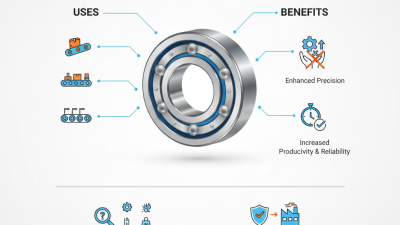
V Groove roller bearings play a crucial role in many applications. Their unique design allows for efficient movement along the V-shaped tracks. This can enhance the precision and stability of machinery. According to a recent industry report, the global market for roller bearings is expected to grow at a CAGR of 5.4% by 2026. This highlights the increasing demand for reliable components.
When choosing a V Groove bearing, consider the load capacity and speed ratings. These bearings come in various sizes and designs, which affect their performance. Choosing the wrong type can lead to premature failure. Research indicates that improper selection of bearings can reduce equipment lifespan by up to 30%. This can lead to costly downtimes and repairs, emphasizing the need for informed decisions.
In addition, the material used for the bearings significantly affects their functionality. For instance, high-carbon chromium steel offers enhanced wear resistance but may be more expensive. Thus, balancing cost and performance is essential. Evaluating wear patterns can also offer insights for improvement. This continuous assessment can inform future selections, ensuring optimal performance of machinery.
Assessing Load Capacity and Speed Requirements for Applications
When selecting a V groove roller bearing, load capacity is crucial. Applications often require specific load-bearing abilities. Generally, the dynamic load rating of roller bearings should match the expected forces. According to industry reports, bearings suitable for heavy loads may achieve a dynamic load rating up to 280,000 N. Evaluating your application's weight and the forces exerted is a key consideration.
Speed requirements are equally important. Bearings have speed limits determined by their design and materials. Most V groove bearings operate efficiently between 1,500 to 3,200 RPM. Exceeding this can lead to premature failure. Thus, understanding the application's speed demand helps in making informed choices. It's essential to match the bearing’s limit with your operating conditions carefully.
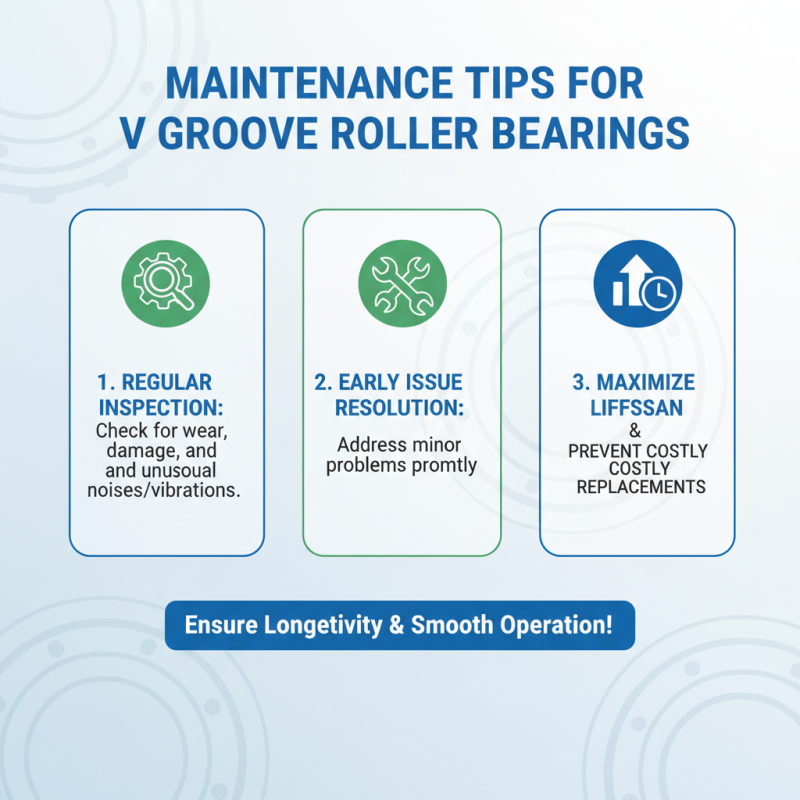
In practice, many users overlook the relationship between load and speed. These factors directly influence the bearing’s lifespan. Overloading a bearing designed for lower loads can shorten its operational life. Regular monitoring of bearing performance under specific conditions can provide insights. This approach cultivates a more reliable operation over time.
Material and Design Considerations for V Groove Roller Bearings
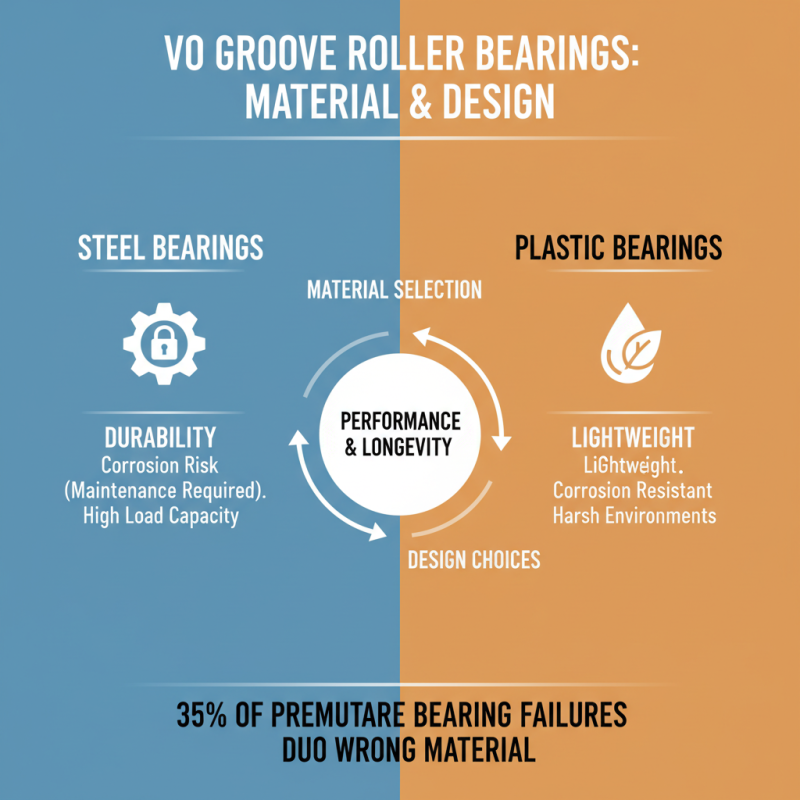
When selecting V groove roller bearings, material and design choices are crucial. The performance of these bearings heavily relies on their construction. Common materials include steel and plastic. Steel bearings offer durability but may corrode over time if not properly maintained. On the other hand, plastic options are often lighter and resistant to corrosion, making them suitable for applications in harsh environments. According to a recent industry report, nearly 35% of premature bearing failures are linked to material selection.
The design of V groove roller bearings also impacts functionality. The groove angle and radius can determine load distribution and friction levels. A report from the American Bearing Manufacturers Association indicates that improper design can lead to a 40% increase in wear. Designers must carefully assess the operational conditions, including load type and speed. It’s essential to strike a balance between performance and longevity.
Choosing the right bearing is not straightforward. Each application has unique demands. Sometimes, what seems optimal can turn out to be less effective. Builders should consider these factors attentively. Consulting technical specifications and industry standards can lead to better decisions. The wrong choice can result in downtime and increased costs.
Choosing the Right Size and Dimensions for Your Specific Needs
When selecting a V groove roller bearing, size and dimensions are crucial. Understanding your application's specific requirements will lead to better performance and longevity. Each bearing has measurements that dictate how it will fit in the machine. Measure the width, diameter, and groove depth carefully. Small inaccuracies can lead to improper fitting, causing failures.
Tips: Always check the load capacity and speed rating of the bearing. An undersized bearing can fail under heavy loads. Conversely, an oversized bearing may lead to excess friction and heat. It’s essential to match these specifications to ensure smooth operation.
Another point to consider is the mounting space available. A compact area may limit your choices. Assess how much clearance is there for installation. If you are unsure, consulting with an expert can provide valuable insights. A poorly chosen bearing can complicate maintenance and increase downtime.
V Groove Roller Bearings: Size and Dimensions Analysis