Why Choose Cylindrical Roller Bearings for Your Applications?
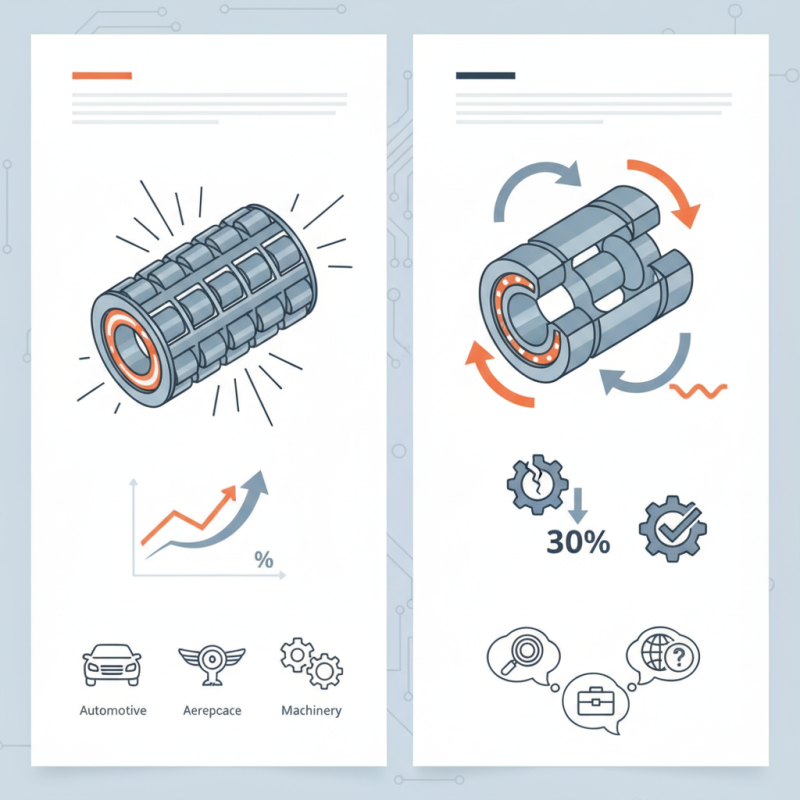
Cylindrical Roller Bearings (CRBs) play a crucial role in various industrial applications. According to a recent market report by Technavio, the global bearing market is projected to grow by over 8% annually through 2025. This growth emphasizes the increasing reliance on high-performance bearings, such as CRBs, in sectors like automotive, aerospace, and heavy machinery.
CRBs are designed to withstand high radial loads while maintaining minimal friction. This design allows for enhanced efficiency in machinery operations. A survey conducted by the American Society of Mechanical Engineers noted that nearly 30% of machine failures are linked to bearing issues. Choosing the right bearings can significantly reduce these failures and increase operational reliability.
However, despite their advantages, CRBs are not without challenges. Proper selection and maintenance remain critical for optimal performance. Some industries report difficulties in sourcing quality CRBs that meet specific requirements. This gap highlights the need for thorough research and informed decision-making when selecting cylindrical roller bearings for various applications.
Understanding Cylindrical Roller Bearings and Their Design Features
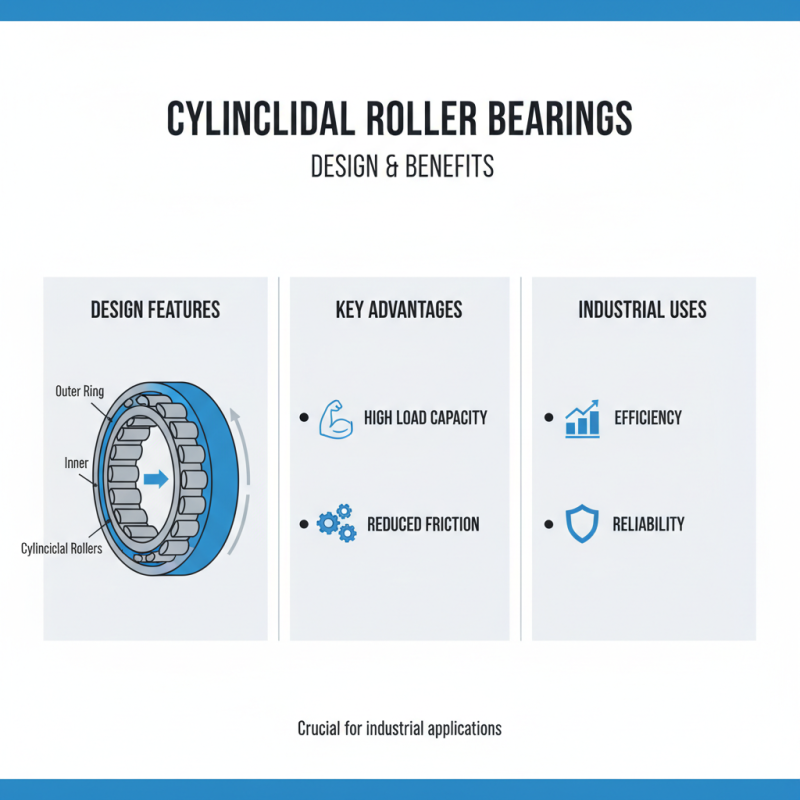
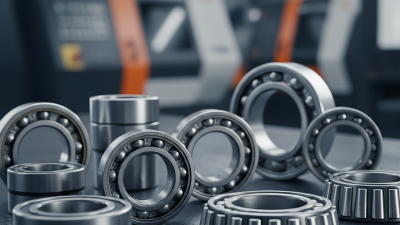
Cylindrical roller bearings are crucial in many industrial applications. Their design features directly contribute to efficiency and reliability. These bearings have a cylindrical shape that allows for higher load capacity. The rolling elements are between the inner and outer rings, which reduces friction and improves performance.
The cage design in cylindrical roller bearings is another key aspect. It helps maintain proper spacing between the rollers, preventing them from coming into contact. This design minimizes wear and extends the life of the bearing. Some designs may present challenges in maintenance. Over time, contaminants can accumulate within the bearing, leading to potential failures.
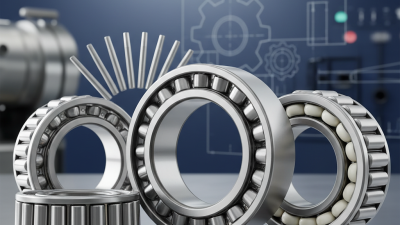
Different configurations, like single-row and multi-row, serve various needs. A single-row bearing is compact and ideal for limited spaces. Multi-row options are suitable for heavy loads but may complicate installation. Knowing these details helps in choosing the right bearing for specific applications, ensuring performance and durability. Consideration of these factors is essential for optimal bearing operation.
Advantages of Using Cylindrical Roller Bearings in Various Applications
Cylindrical roller bearings (CRBs) offer distinct advantages for various industrial applications. These components are designed to handle heavy radial loads, making them ideal for machinery in sectors like manufacturing and automotive. According to a recent report from the International Journal of Engineering Research and Applications, CRBs can withstand higher speeds and loads compared to other bearing types.
One notable feature of CRBs is their unique design. They have a larger contact area with raceways, distributing the load evenly. This structure leads to lower friction and heat generation, which is crucial for prolonging equipment life. The design allows for efficient performance in environments with high vibrations and heavy stress. Minimizing downtime can save significant costs, estimated at around 20% in operational expenses for industries relying heavily on these bearings.
However, it’s essential to consider proper installation and maintenance. Improper handling can lead to premature failure. There's an ongoing dialogue in the engineering community about ensuring optimal conditions for CRBs. Professionals often reflect on the balance between performance and reliability in their applications. This area warrants continuous observation and improvement to maximize the benefits of cylindrical roller bearings.
Comparative Analysis: Cylindrical Roller Bearings vs. Other Bearing Types
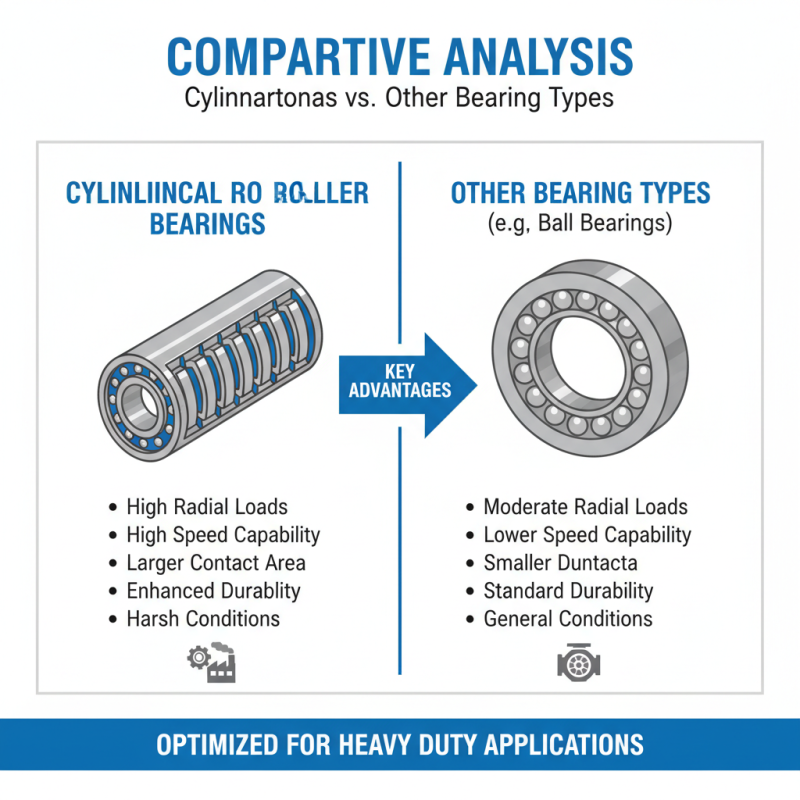
Cylindrical roller bearings are essential in various applications due to their unique features. They excel at handling heavy radial loads and provide high-speed capabilities. Unlike ball bearings, cylindrical roller bearings offer a larger contact area, resulting in better load distribution. This distinctive design enhances their durability and allows them to perform in harsh conditions.
When comparing cylindrical roller bearings to other types, it's clear that they have specific advantages. For instance, compared to deep groove ball bearings, they handle higher loads with less friction. This can lead to longer service life and reduced maintenance costs. However, cylindrical roller bearings may require careful alignment during installation. They may not be the best choice for every circumstance.
Tips: Regular maintenance can help you identify wear early. Check for unusual noises during operation. Proper lubrication is crucial for longevity. Additionally, consider your application needs carefully. Not every bearing type will suit every situation. Assessing load requirements can guide your choice effectively.
Key Industries Utilizing Cylindrical Roller Bearings: A Closer Look
Cylindrical roller bearings play a crucial role in various key industries. They are widely used in manufacturing machinery, automotive applications, and energy generation. These bearings are designed to handle heavy radial loads effectively. This makes them ideal for equipment in factories and heavy machinery in construction sites.
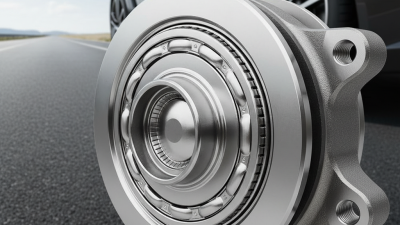
In the automotive sector, these bearings provide stability and support in engines and transmission systems. Their cylindrical shape allows for better alignment and reduced friction. This translates to improved performance and longevity of the vehicle. However, maintenance is often overlooked. Regular inspections and timely replacements are essential to ensure optimal functionality.
The energy sector also benefits significantly from cylindrical roller bearings. Wind turbines rely on these components for smooth operation under demanding conditions. Yet, they face challenges like wear and environmental impacts. Understanding the specifics of bearing performance is crucial for engineers. Proper selection and implementation can prevent costly downtime. Each industry has its unique requirements, and even minor adjustments can lead to substantial improvements.
Maintenance and Best Practices for Cylindrical Roller Bearings
Cylindrical roller bearings are known for their high load capacity and efficiency. To maintain their performance, regular lubrication is essential. According to industry reports, improper lubrication is a leading cause of bearing failure. For instance, about 40% of premature failures stem from insufficient lubricant levels or contamination. It's crucial to monitor lubricant quality and replace it according to manufacturer guidelines.
Proper alignment of cylindrical roller bearings is another key factor. Misalignment can lead to uneven wear and reduced lifespan. Data shows that misalignment increases stress on the bearings, potentially reducing their life by up to 50%. Regular inspection and adjustment can help alleviate these issues, ensuring smoother operation within applications.
Lastly, consider operating conditions and load variations. Running bearings under excessive loads or in harsh environments accelerates wear. Research indicates that environment plays a significant role. Under extreme temperatures or exposure to dust, bearings can fail faster. Regularly reviewing operational conditions helps in making informed maintenance decisions, extending the lifetime of cylindrical roller bearings.