Top Deep Groove Ball Bearing Types and Their Applications?
Deep Groove Ball Bearings are essential components in numerous mechanical systems. These bearings provide support for rotating shafts, ensuring smooth motion. According to Dr. James Hawthorne, an expert in tribology, “Deep Groove Ball Bearings are the unsung heroes of machinery.” His words highlight their crucial role in various applications.
In industries ranging from automotive to aerospace, these bearings are widely used. They can handle both radial and axial loads, making them versatile. However, many users overlook their maintenance needs. Neglect can lead to premature failure and costly repairs.
Choosing the right type of Deep Groove Ball Bearing is vital for optimal performance. Consideration of load capacity, speed, and environment is important. Without careful selection, inefficiencies can arise. This topic delves into the various types and their applications, shedding light on a critical yet often misunderstood area of engineering.
Types of Deep Groove Ball Bearings: An Overview
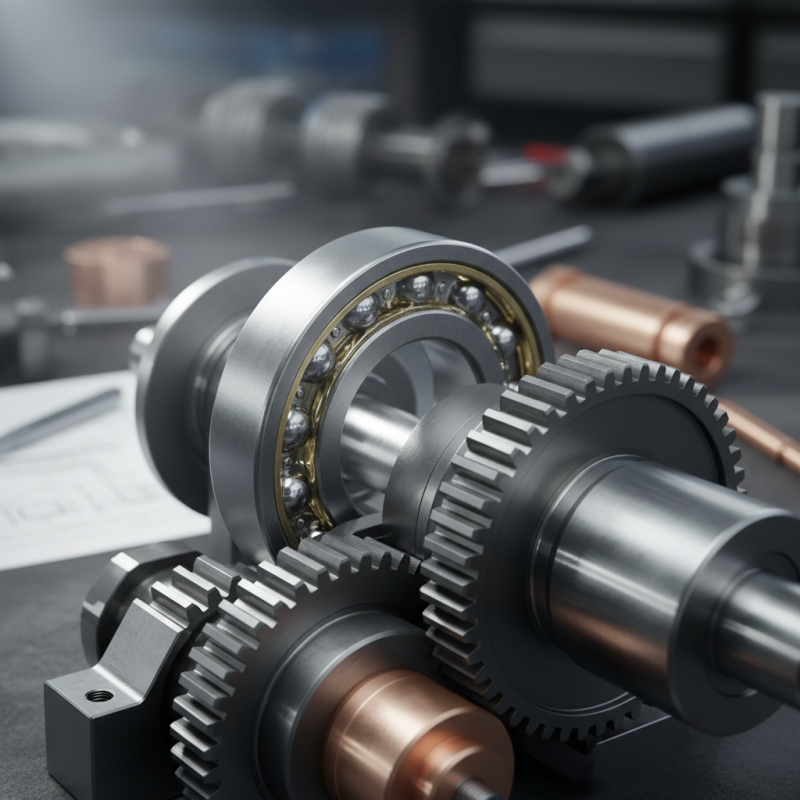
Deep groove ball bearings are essential components in various machinery. They are versatile and widely used due to their simple design. The most common types include single-row, double-row, and sealed variants. Each type serves different applications based on load capacity and environmental conditions.
Single-row deep groove ball bearings are popular for general use. They handle radial and moderate axial loads well. They are often found in electric motors and fans. However, they may struggle with handling heavy loads over time, which can lead to decreased performance.
Double-row deep groove ball bearings provide higher load capacity. They are ideal for applications with heavy loads, like construction equipment. Nonetheless, they can be bulkier and more expensive. Sealed deep groove ball bearings protect against dirt and moisture. These are essential in harsh environments but may require regular inspection to ensure their effectiveness. Users should think critically about their specific needs when choosing a type.
Top Deep Groove Ball Bearing Types and Their Applications
| Type |
Material |
Application |
Load Rating (kN) |
Speed Limit (RPM) |
| Single Row Deep Groove |
Steel |
Electric Motors |
8.5 |
8000 |
| Double Row Deep Groove |
Stainless Steel |
Industrial Machines |
12.5 |
6000 |
| Shielded Deep Groove |
Chrome Steel |
Automotive Applications |
10.2 |
7500 |
| Rubber Sealed Deep Groove |
Steel |
Home Appliances |
9.0 |
5000 |
| Miniature Deep Groove |
Stainless Steel |
Robotics |
6.0 |
12000 |
Key Characteristics of Deep Groove Ball Bearings
Deep groove ball bearings are essential in various applications due to their versatile design. They feature deep raceways that allow them to support radial and axial loads. This design enhances their performance in high-speed applications. The Global Market Insights report indicates that the deep groove ball bearing market is projected to reach USD 12 billion by 2027, driven by rising industrial automation.
In industries such as automotive and aerospace, these bearings are vital. They provide durability and efficiency, ensuring equipment operates smoothly. However, they have limitations. They may not perform optimally under extreme vibrations or misalignments. This can lead to premature failure. A study by the Bearing Experts Association shows that nearly 30% of bearing failures result from improper alignment.
Another point of concern is lubrication. Insufficient lubrication can lead to increased friction. This ultimately shortens the bearing's lifespan. Regular maintenance is critical yet often overlooked. Proper training for maintenance staff may help reduce these issues. The balance between efficiency and reliability is an ongoing challenge in utilizing deep groove ball bearings.
Top Deep Groove Ball Bearing Types and Their Applications
Common Applications in Various Industries
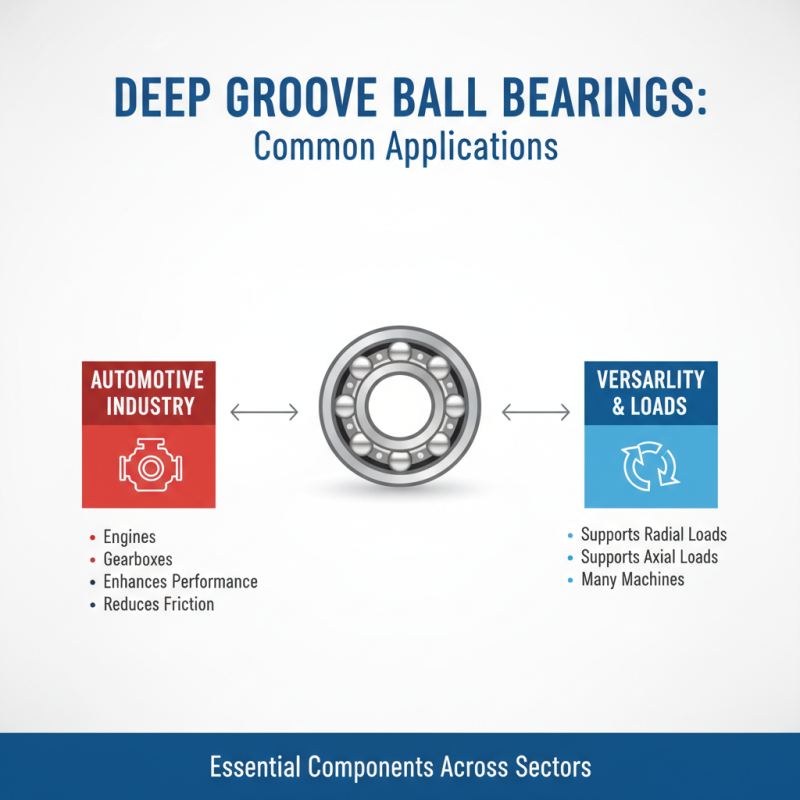
Deep groove ball bearings are essential in many sectors. They support radial and axial loads. This versatility makes them popular in various machines. In the automotive industry, for example, these bearings are vital in engines and gearboxes. They enhance performance and reduce friction in crucial components.
In the manufacturing sector, deep groove ball bearings are used in conveyor systems. They allow for smooth and efficient movement of goods. In household appliances, they can be found in washing machines and refrigerators. They ensure quiet operation and longevity of these appliances. However, improper installation can lead to premature failure. Regular maintenance is often overlooked, posing challenges for users.
The aerospace industry also benefits from deep groove ball bearings. They are used in aircraft engines and landing gear systems. These applications require high reliability and precision. But, the environment can cause wear and tear. This highlights the need for periodic checks. Despite their importance, many users fail to understand their role fully.
Advantages of Using Deep Groove Ball Bearings
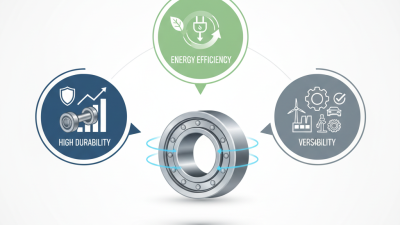
Deep groove ball bearings are widely used in various industries due to their numerous advantages. They are versatile and can operate under radial and axial loads. Their design allows for high speeds, making them popular in machinery, automotive, and household applications. The simplicity in their construction contributes to lower manufacturing costs and easier maintenance.
Tips: Always assess the load requirements before choosing a bearing type. A mismatch can lead to early failure, even in the best models.
The sealing options available for deep groove ball bearings enhance their durability. Sealed bearings keep contaminants out, extending the lifespan significantly. However, improper installation can compromise their effectiveness. Pay attention to alignment during installation to avoid unnecessary friction or damage.
Tips: Regularly check the bearings for signs of wear. Catching issues early can prevent costly downtime. Clear lubrication is vital for optimal performance.
Maintenance Tips for Deep Groove Ball Bearings
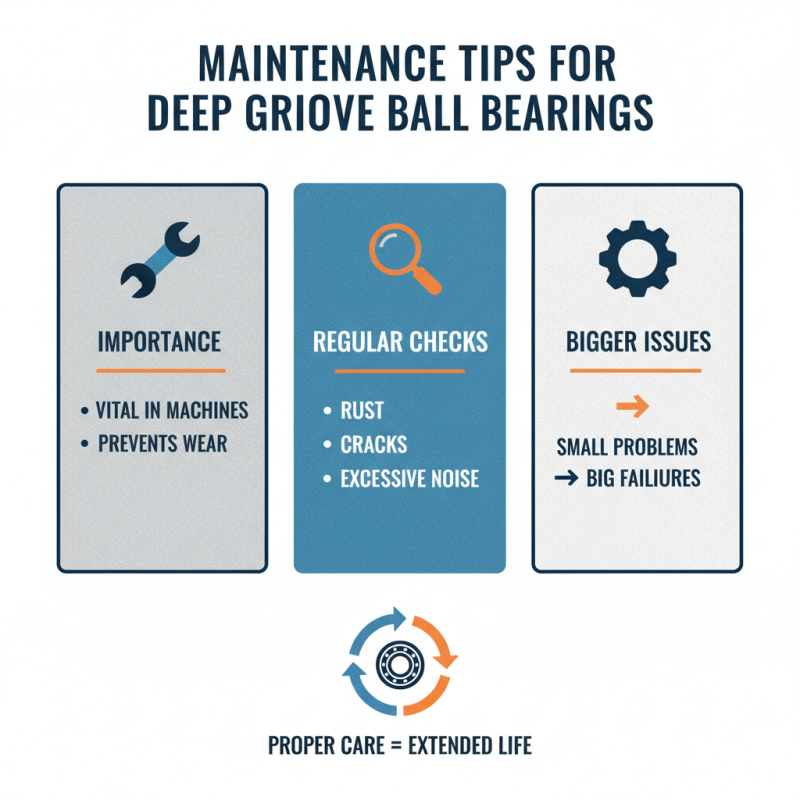
Deep groove ball bearings are vital in many machines. Regular maintenance is crucial for their performance. Without proper care, they can wear out quickly. Regularly check for signs of damage. Look for rust, cracks, or excessive noise. One small issue can lead to bigger problems.
Lubrication is essential. An insufficient amount can cause overheating. However, too much grease can lead to overheating too. Aim for a balanced approach. Clean them regularly to remove dirt and debris. This simple step can extend their lifespan. Pay attention to the alignment as well. Misalignment can cause uneven wear.
Monitoring temperature can also provide valuable insights. Too high a temperature may indicate friction issues. Address problems early to avoid costly replacements. Remember, even the best bearings need care. Taking these steps can lead to smoother operation and improved efficiency.