10 Essential Tips for Choosing V Groove Ball Bearings?
Choosing the right V Groove Ball Bearing is crucial for optimal performance. John Smith, a bearing industry expert, emphasizes, "Correct selection prevents costly failures." V Groove Ball Bearings have unique designs that cater to specific applications. Their ability to handle radial and axial loads makes them essential in various machinery.
When selecting a V Groove Ball Bearing, consider material, size, and load ratings. For instance, steel bearings offer strength but may corrode over time. Instead, stainless steel or ceramic options provide longer life in harsh environments. Additionally, the proper fit is critical; an ill-fitted bearing can lead to increased wear and decreased efficiency.
It's important to understand that each choice impacts overall performance. Small details, like lubrication and installation, also play vital roles. Take time to reflect on these factors. A seemingly minor oversight could lead to significant operational issues.
Understanding V Groove Ball Bearings: A Brief Overview
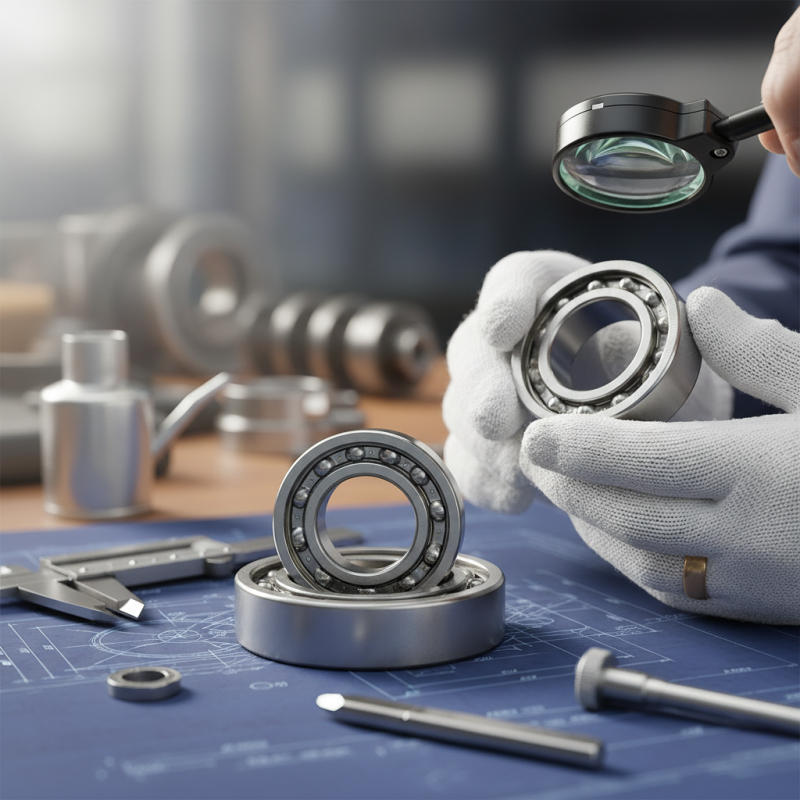
V Groove ball bearings are crucial in various applications. These bearings have a unique groove design, allowing for smooth movement along tracks. They are widely used in conveyor systems and sliding mechanisms. Understanding their structure is key for effective usage.
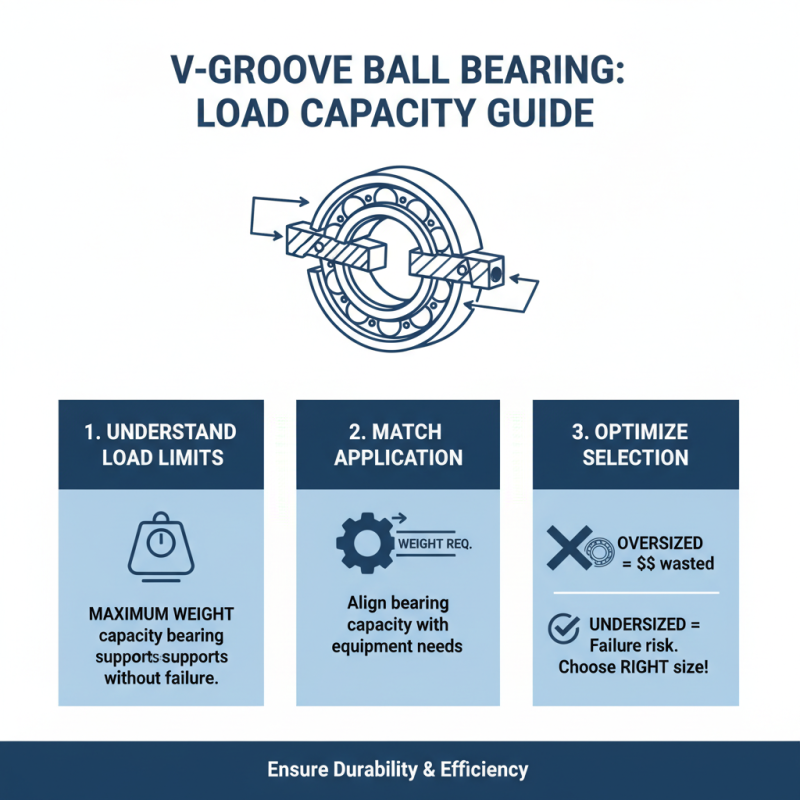
When selecting V Groove ball bearings, consider the load capacity. Some designs may not support heavy loads well. This can lead to premature wear. The material of the bearings is also important. Stainless steel offers strength and corrosion resistance, but may not always be necessary. Sometimes, plastic options work just fine.
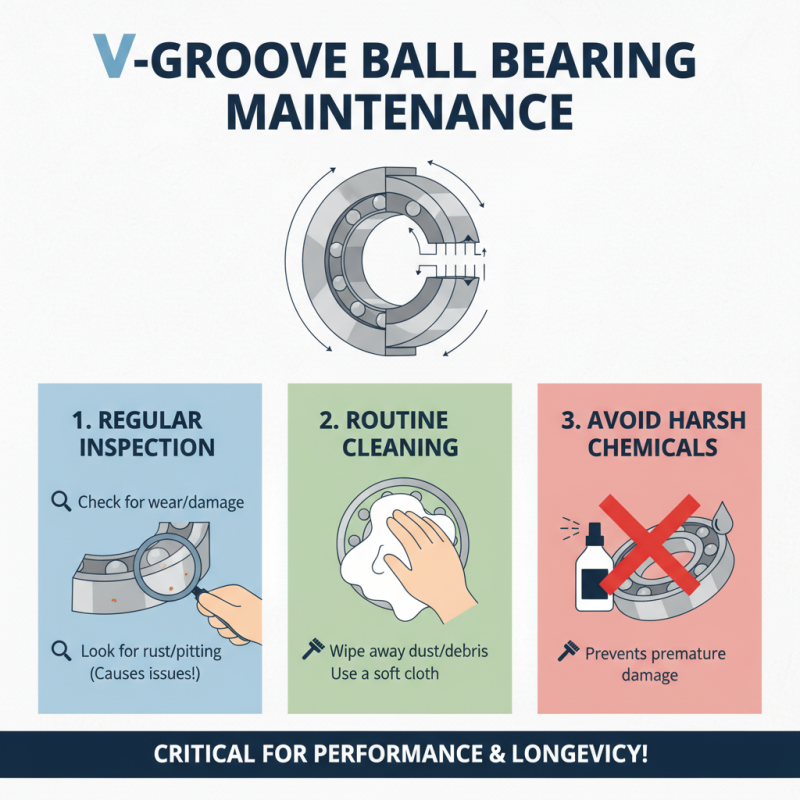
Pay attention to maintenance requirements too. Ball bearings need regular checks to avoid unexpected failures. Yet, people often overlook this. It's essential to understand the environment where these bearings will operate. Dust or moisture can affect performance. Balancing these factors leads to better choices.
Performance Comparison of V Groove Ball Bearings
This chart illustrates the performance metrics of different V Groove Ball Bearings based on load capacity, speed rating, and durability. The data highlights the importance of selecting the right bearings for various applications.
Key Features to Consider When Selecting V Groove Ball Bearings
When selecting V groove ball bearings, there are several key features to consider. Load capacity is crucial. It determines how much weight the bearing can support. Always analyze this based on your application's needs. Another important factor is the groove angle. Standard angles are typically 90 degrees, but other options exist. This can affect how the bearing interacts with the rail.
Material quality is also essential. High-quality steel offers durability and longevity. However, some users may favor ceramic materials for specific applications. Each material has its pros and cons. Think about environmental conditions, too. Extreme temperatures or corrosive settings may require specialized bearings.
Don't forget installation ease. Some designs simplify mounting and alignment, while others do not. This can impact overall performance. Pay attention to lubrication requirements as well. Some bearings need regular maintenance; others come pre-lubricated. Lastly, consider your budget. Cheaper options may save money upfront but can lead to higher long-term costs if they wear out quickly. Strive for balance between cost and quality.
Material Options for V Groove Ball Bearings: Pros and Cons
Choosing the right material for V groove ball bearings is crucial for performance and longevity. Common materials include stainless steel, plastic, and ceramic. Each option has its specific characteristics, which can significantly affect functionality.
Stainless steel is known for its strength and corrosion resistance. However, it can be heavier than other materials. This might impact the bearing's movement. Plastic bearings are lightweight and offer good resistance to chemicals. But, they may wear out faster under heavy loads. On the other hand, ceramic bearings offer excellent durability and can operate at higher speeds. Still, they are often more expensive and can be brittle.
Evaluating these materials isn't straightforward. You might find yourself leaning towards one option over another without fully understanding the drawbacks. For instance, while stainless steel seems robust, its weight could hinder certain applications. It's critical to balance your needs against the inherent pros and cons of each material. This decision often requires careful consideration and possibly some trial and error before determined success.
10 Essential Tips for Choosing V Groove Ball Bearings
| Material Option |
Pros |
Cons |
| Stainless Steel |
Corrosion resistant, durable, good load capacity |
Heavier than other materials |
| Plastic |
Lightweight, non-corrosive, cost-effective |
Lower load capacity, less durable than metals |
| Ceramic |
Lightweight, high stiffness, non-magnetic |
Brittle, higher cost |
| Bronze |
Good wear resistance, self-lubricating |
Can be expensive, limited corrosion resistance |
| Aluminum |
Lightweight, good thermal conductivity |
Lower strength compared to steel, can corrode |