Essential Tips for Sourcing Miniature Ball Bearings Worldwide?
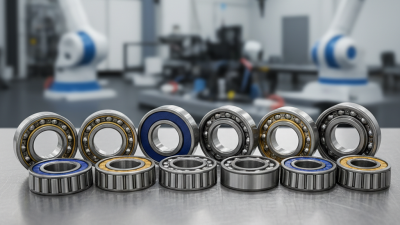
Sourcing Miniature Ball Bearings worldwide requires a deep understanding of the market. These tiny components play a crucial role in various applications, from robotics to precision instruments. Their size often leads to challenges in finding reliable suppliers.
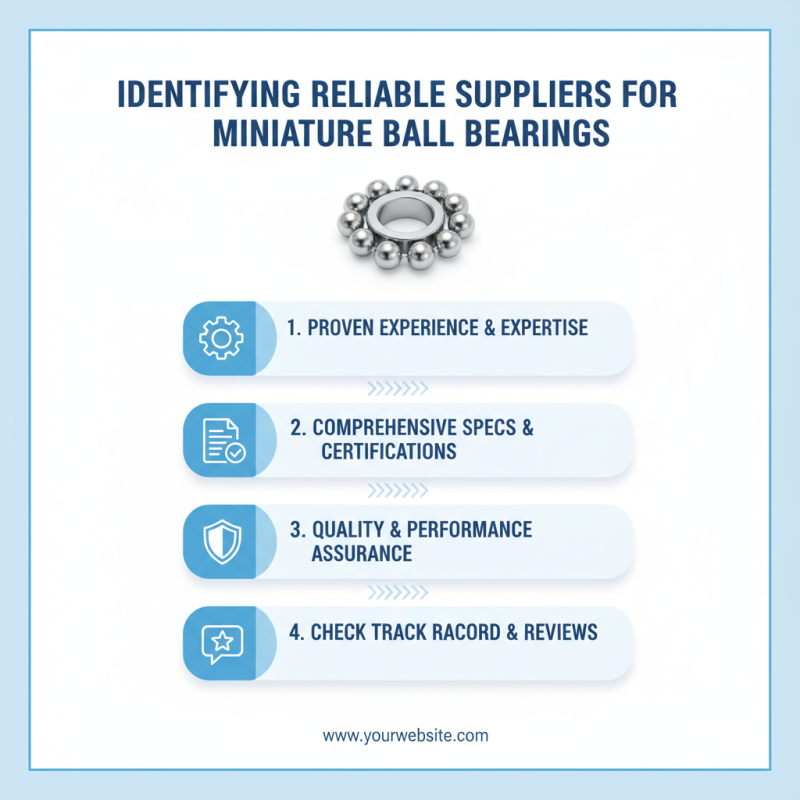
Navigating global suppliers can be daunting. Differences in quality, price, and lead time are common. Understanding these factors helps in making informed decisions. Researching potential suppliers is essential. Look for companies with proven track records. Reading reviews and checking certifications can aid in evaluating reliability.
In the end, sourcing Miniature Ball Bearings effectively demands time and effort. Mistakes in choosing suppliers can lead to delays and increased costs. It's critical to establish clear communication with partners. This ensures the components meet your specific requirements. By focusing on quality and reliability, you can optimize your sourcing strategy.

Understanding Miniature Ball Bearings: Types and Applications
Miniature ball bearings are essential components in various industries. They are used in machinery, robotics, and consumer electronics. Understanding their types and applications is crucial for effective sourcing. Common types include deep groove, angular contact, and thrust bearings. Each type serves a specific function, ensuring optimal performance in different environments.
The right selection of a miniature ball bearing depends on their intended application. For instance, deep groove bearings excel in handling radial and axial loads simultaneously. Angular contact bearings, however, are ideal for applications requiring higher speeds and precise angular positioning. Thrust bearings are suited for applications where axial loads dominate. Knowing these differences helps in making informed sourcing decisions.
Despite this knowledge, many may overlook the quality of materials used in production. Using poor-quality steel or inadequate lubrication can lead to failures. It's essential to partner with reputable manufacturers who prioritize quality control. Exploring specifications and certifications can provide insights into their production standards, ensuring reliable performance in your projects.
Essential Tips for Sourcing Miniature Ball Bearings Worldwide
| Type |
Inner Diameter (mm) |
Outer Diameter (mm) |
Width (mm) |
Material |
Load Rating (N) |
Applications |
| Deep Groove Ball Bearing |
2 |
6 |
2 |
Stainless Steel |
120 |
Electric Motors, Robotics |
| Angular Contact Ball Bearing |
4 |
10 |
4 |
Chrome Steel |
150 |
Machine Tool Spindles, High-Precision Equipment |
| Self-Aligning Ball Bearing |
6 |
12 |
5 |
Plastic |
100 |
Household Appliances, Toys |
| Thrust Ball Bearing |
5 |
15 |
3 |
Bronze |
50 |
Automotive Applications, Heavy Machinery |
Key Factors to Consider When Sourcing Miniature Ball Bearings
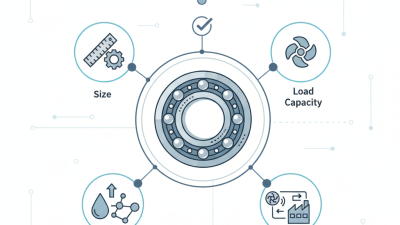
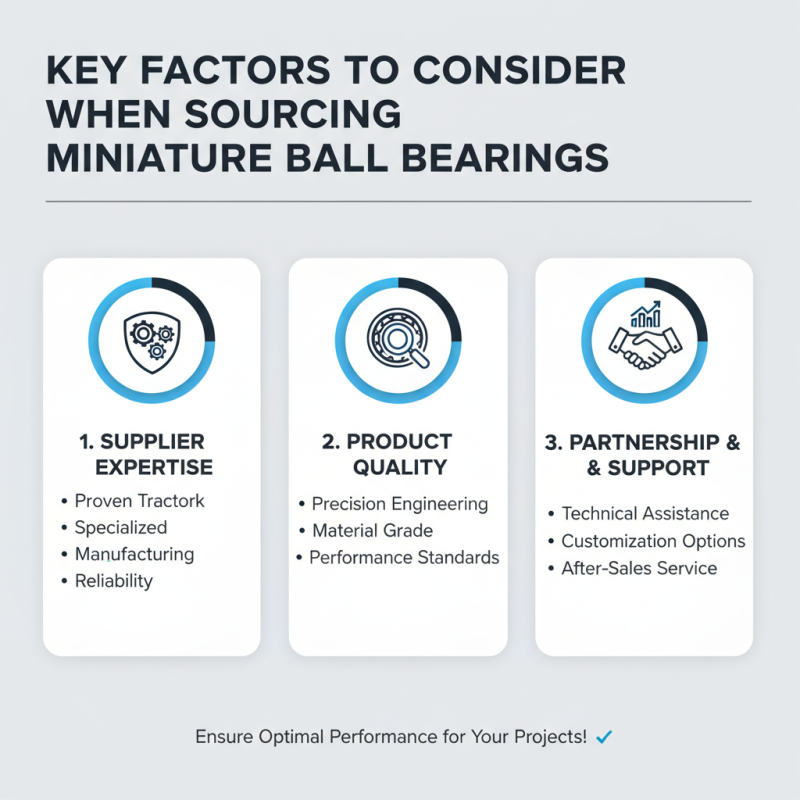
When sourcing miniature ball bearings, it’s crucial to prioritize key factors that ensure quality and performance. Start by evaluating supplier expertise. Check if they have a track record in manufacturing these specific components. Their experience can greatly influence the reliability of the products you receive. A knowledgeable supplier understands the intricacies involved, leading to better outcomes for your projects.
Quality assurance measures should also be at the forefront of your sourcing decisions. Look for suppliers who conduct rigorous testing on their products. Certifications can indicate reliable manufacturing practices. However, not all certifications are equal, so do your research. Pay attention to material specifications. Incorrect materials can lead to premature failure, highlighting the need for thorough scrutiny.
Pricing is important, but it should not be the sole focus. Cheaper options may result in hidden costs down the line, especially in performance. Consider the total lifecycle cost of the bearings, including maintenance and replacement. Reflecting on your needs can help strike a balance between price and quality. This thoughtful approach will lead to better sourcing outcomes.
Effective Strategies for Negotiating Prices and Terms
Negotiating prices and terms when sourcing miniature ball bearings on a global scale requires strategic planning. Research indicates that over 70% of sourcing managers prioritize price negotiation as their key strategy. These professionals leverage market analyses to understand current trends. For example, data shows that the global market for miniature ball bearings will reach approximately $8 billion by 2026. This insight provides a foundation for price discussions, allowing negotiators to reference market conditions effectively.
When engaging with suppliers, clear communication is critical. In a recent survey, 65% of companies reported that lack of clarity leads to misunderstandings. Having a set of questions prepared can clarify expectations and terms early in negotiations. Additionally, establishing relationships based on trust can yield more favorable terms. Suppliers are often willing to offer better pricing or delivery options when they view you as a reliable partner.
Nonetheless, it’s essential to remain aware of potential pitfalls. Many negotiators focus too heavily on price, overlooking quality considerations. The balance between cost and quality can impact product performance. An emphasis on low prices could lead to long-term issues with product reliability. Accepting higher costs for superior quality often translates into greater value over time. Negotiating smartly is about weighing these factors and being adaptable based on supplier feedback.
Quality Control Measures for Imported Miniature Ball Bearings
When importing miniature ball bearings, quality control is paramount. These small components play a crucial role in machinery and equipment. If they fail, it can lead to significant operational losses. Proper quality control measures can prevent such disasters.
Begin by requesting detailed specifications from suppliers. This includes dimensions, materials, and performance standards. Conducting tests on sample products can also identify issues. Look for variations in size or finish that could affect functionality. It is essential to have a clear understanding of acceptable tolerances.
Regular audits of suppliers can ensure they maintain high standards. These audits should focus on manufacturing processes and material sourcing. Engaging third-party inspectors can provide an unbiased assessment. Sometimes, issues go unnoticed in self-inspections. This highlights the importance of accountability in the supply chain.
Miniature Ball Bearings Quality Control Measures Comparison