How to Find China Top Cylindrical Roller Bearing Suppliers?
Finding a dependable cylindrical roller bearing supplier in China takes more than comparing prices. Buyers need to match bearing design, dimensions, load ratings, operating speed, and tolerance requirements to the actual application. A bearing used in a steel mill faces different conditions from one installed in a compact gearbox. Small specification errors can lead to noise, heat, or premature wear.
The term Bearing Roller Cylindrical may appear in searches and catalogs, but it is not a substitute for a clear technical specification. Share drawings, shaft and housing details, lubrication conditions, and expected operating temperatures with potential suppliers. Ask how they control steel quality, heat treatment, grinding, and final inspection. Request material records, dimensional inspection reports, and traceability information where available. Then compare samples against the same requirements, rather than relying on polished product photos.
Look beyond the quotation. Check the supplier’s manufacturing capabilities, quality-control process, communication, production lead time, and experience with similar bearing applications. Factory audits or independent inspections can help verify claims when the order size justifies the effort. A certificate is useful, but it does not prove that every batch will meet your needs. Some buyers move too quickly here. That is worth reconsidering. Ask specific questions, record the answers, and confirm important details in writing before placing an order. This guide explains practical ways to evaluate China-based suppliers and reduce sourcing risk without assuming that the lowest price is the best choice.
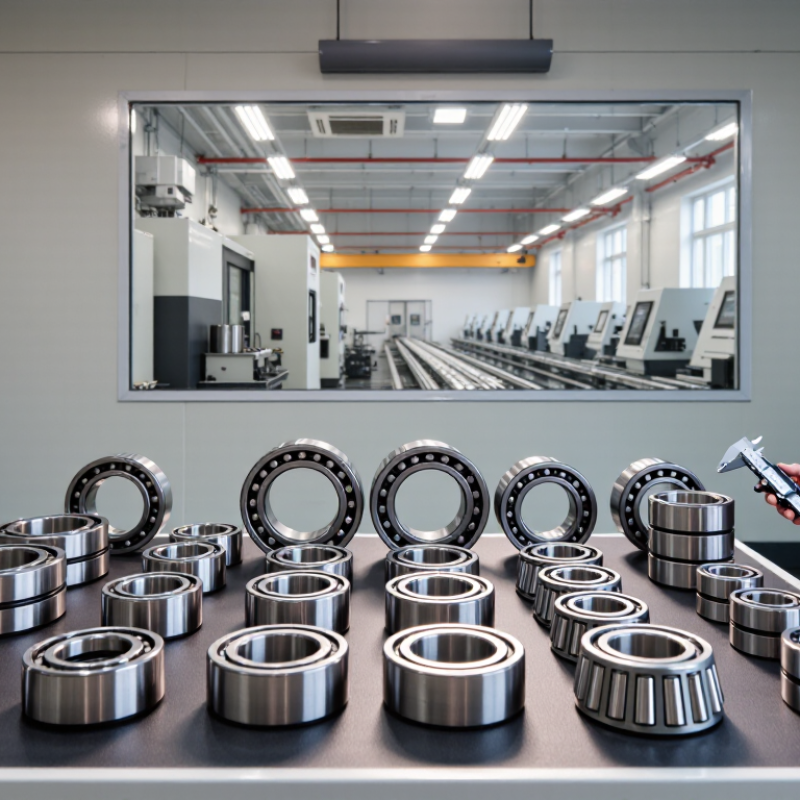
Define Your Cylindrical Roller Bearing Requirements
Define Your Cylindrical Roller Bearing Requirements
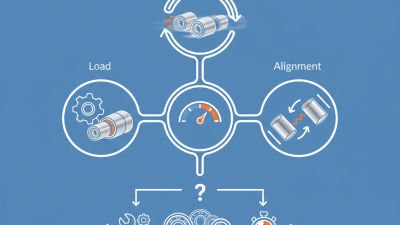
Before comparing suppliers, write down the operating conditions for each bearing position. Record shaft and housing dimensions, radial load, any axial load, speed, operating hours, and temperature range. Note dust, moisture, vibration, and lubrication access too. Small details matter. A bearing running beside a hot, dusty conveyor needs a different specification from one in a clean, steady-speed pump. Cylindrical roller bearings are suited to substantial radial loads, but axial-load capacity depends on their internal design. State the required arrangement and fit rather than asking suppliers to choose from a vague description.
Duty cycle deserves careful attention. The U.S. Department of Energy’s 2014 sourcebook reports that motor-driven systems account for about 68% of electricity use in U.S. manufacturing. That figure is not a bearing-selection rule, but it highlights how many hours rotating equipment may operate. Give suppliers realistic load and speed data, including start-stop cycles. ISO 281:2007 provides methods for calculating basic dynamic load ratings and rating life; it does not guarantee service life in every installation. I have seen specifications omit contamination levels. That omission can undermine an otherwise precise comparison.
Ask each supplier to confirm dimensions, internal clearance, cage type, lubrication, and stated load ratings against your application. Share drawings and measurable limits, not just a machine name. If records are incomplete, mark estimates clearly and verify them before ordering. The first specification may be imperfect. Keep it reviewable.
How to Find China Top Cylindrical Roller Bearing Suppliers? — Define Your Requirements
Compare the bore, outside diameter, and width of these NU-series examples to establish a dimensional starting point. Confirm the exact dimensions, load, speed, clearance, and tolerance requirements for your application before requesting supplier quotations.
Example boundary dimensions in millimetres: NU 205 (25 × 52 × 15), NU 206 (30 × 62 × 16), NU 207 (35 × 72 × 17), and NU 208 (40 × 80 × 18). Dimensions are listed as bore × outside diameter × width; verify against the applicable manufacturer catalogue and standard before ordering.
Identify Supplier Types and Manufacturing Regions in China
China’s cylindrical roller bearing suppliers generally fall into three groups: direct manufacturers, trading companies, and firms combining production with export services. A factory may control heat treatment, grinding, and assembly, while a trading company may offer broader product selection. The distinction matters. Ask who performs each process, not merely who issues the quotation.
Supplier regions can offer useful clues, though location alone does not prove capability. Liaoning, particularly the Wafangdian area, has a long bearing-manufacturing base. Luoyang in Henan is another established industrial center. In the Yangtze River Delta, parts of Jiangsu and Zhejiang provide access to component makers, machining services, and shipping infrastructure. These clusters are not uniform; neighboring factories may differ greatly in equipment and quality control.
For a shortlist, request drawings, dimensional tolerances, steel and heat-treatment details, and inspection records for the bearing series you need. Ask whether the supplier can show production and testing steps through a live video call or an in-person visit. A catalog is not proof. Compare sample measurements with your application requirements, and clarify minimum order quantities and lead times in writing. One limitation: a polished factory visit can still miss problems that appear only during sustained production.
Assess Product Quality, Certifications, and Production Capacity
How to Find China Top Cylindrical Roller Bearing Suppliers?
Assess Product Quality, Certifications, and Production Capacity
A capable supplier should explain how each bearing is made and inspected. Request dimensional inspection records for bore diameter, outside diameter, and roller clearance. Ask how the supplier controls steel cleanliness, heat treatment, and surface finish. These details matter. A sample that turns smoothly by hand is not enough to establish consistent performance under load.
Review certificates directly, not just the logos shown in a sales brochure. Check the issuing body, validity dates, and whether the certificate covers the relevant factory and processes. Ask for material reports and batch traceability records. For a trial order, compare measured dimensions with the approved drawing and request a written inspection report. If records are incomplete, treat that as a point to clarify, not an automatic rejection.
Production capacity needs evidence too. Ask about monthly output for the specific bearing size, available grinding and heat-treatment equipment, inspection staffing, and current lead times. A large factory may still have limited capacity for your model. Request a realistic schedule and discuss how urgent orders affect quality checks. Capacity figures can sound convincing; I would still verify them with a small pilot lot. It takes extra time, and that is not always convenient. However, confirming repeatability before scaling an order can prevent costly surprises.
Compare Pricing, Lead Times, and After-Sales Support
When comparing China’s cylindrical roller bearing suppliers, request quotes for the same bore, outside diameter, clearance, cage material, and tolerance class. A low unit price can hide extra charges for packaging, inspection, or shipping. Ask whether the quote covers a sample and what changes the price at higher volumes. Check that technical documents match the bearing you will actually receive. Small details matter.
Lead times need the same scrutiny. Ask for separate estimates for samples, standard production, and repeat orders. A supplier may quote a short schedule, but confirm whether materials and production capacity are available now. Request milestone updates and clarify how delays are handled. After-sales support should also be specific: ask who reviews fit or noise issues, how quickly they respond, and what evidence they need for a claim. Support sounds reassuring. The process matters more.
Tips: Compare written quotes side by side, including delivery terms and inspection scope. Keep the questions short and save the answers. If one supplier gives vague dates or avoids explaining warranty limits, pause before ordering. I would not treat the cheapest offer as the best choice; however, a higher price alone proves little. Verify the details, and leave room for a second conversation.
Validate Shortlisted Suppliers Through Samples and Audits
After narrowing your list of cylindrical roller bearing suppliers, request production samples rather than specially prepared display pieces.
Ask for several units from a normal batch, with dimensional reports and material documentation. Small details matter. Check bore and outside diameter, radial clearance, runout, and roller surface finish against your drawing and stated requirements. A micrometer and dial indicator can reveal variation that a catalog cannot.
Test samples under conditions close to your application.
Record noise, vibration, temperature rise, and performance at the intended speed and load. One sample is not enough. Compare multiple units, and note how each is packaged; poor protection can leave marks or allow contamination before installation. If results differ, ask the supplier to explain the variation and provide corrective-action records. A polished sample can still hide inconsistent production.
An on-site or independent audit should follow the sample review.
Check calibration labels on measuring equipment, inspection records, heat-treatment controls, and traceability from steel lot to finished bearing. Ask operators how nonconforming parts are isolated, not only what the written procedure says. No audit is perfect. A short visit may miss recurring issues, so request recent process data and verify selected records against actual parts. Clear answers, consistent documents, and willingness to discuss limitations are stronger evidence than a confident sales presentation.