Top Groove Ball Bearings Buying Guide for Global Buyers?
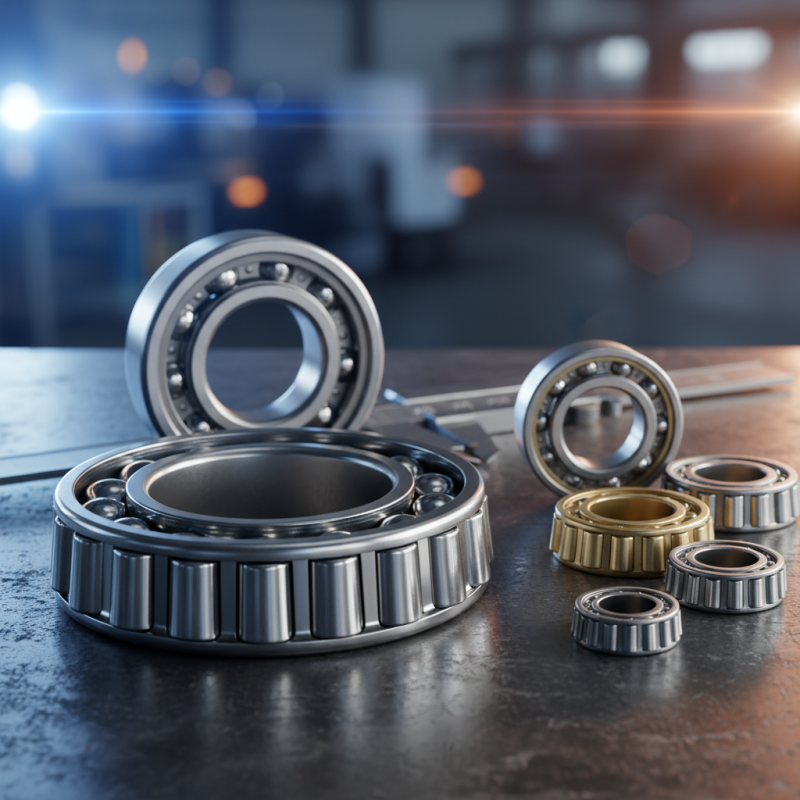
Choosing the right groove ball bearings can significantly impact machinery performance. These components serve critical roles in various applications. Understanding their features, specifications, and materials is essential for making informed decisions.
Not all groove ball bearings are created equal. Some may appear similar but vary greatly in quality and application. Buyers must consider factors such as load capacity, speed ratings, and environmental conditions.
Reliability is paramount when selecting these bearings. A subpar choice could lead to maintenance issues and costly downtime. Therefore, having expert insight into groove ball bearings is invaluable. By carefully assessing your needs, you can ensure optimal efficiency and longevity for your machinery.
Understanding Groove Ball Bearings: An Introduction for Buyers
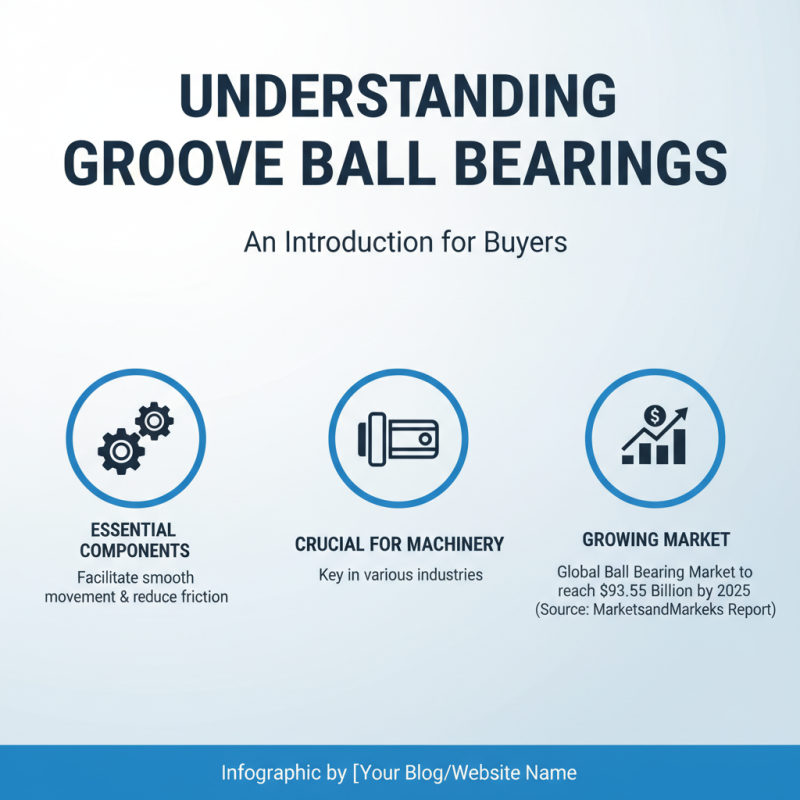
Groove ball bearings are essential components in various industries. They facilitate smooth movement and reduce friction in machinery. Understanding these bearings is crucial for buyers. According to a report by MarketsandMarkets, the global ball bearing market is expected to reach $93.55 billion by 2025, highlighting the growing demand.
Groove ball bearings come in different designs and sizes. Each type serves specific applications. For example, deep groove ball bearings are widely used for their versatility. They can support both radial and axial loads. A study from Research and Markets emphasizes that deep groove bearings hold about 43% of the total market share, reflecting their popularity and reliability.
Buyers often face challenges when selecting the right bearings. Misalignment or incorrect size can lead to premature failure. Additionally, the quality of materials used significantly affects performance. Many buyers overlook these details. Conducting thorough research and consulting with industry experts could lead to better decision-making. Understanding the nuances in bearing specifications is vital for optimal performance and longevity.
Key Factors to Consider When Choosing Groove Ball Bearings
When selecting groove ball bearings, several key factors are essential. Load capacity is pivotal. Depending on the application, the bearings must handle dynamic and static loads adequately. According to industry reports, the load capacity can vary dramatically across different types of bearings, with some capable of supporting loads of over 10,000 Newtons. Therefore, understanding your specific requirements is crucial.
Another important factor is the speed rating. Bearings with higher speed ratings tend to perform better in high-speed applications. Research indicates that proper lubrication and design can significantly enhance the lifespan of high-speed bearings. However, relying solely on speed ratings may lead to issues if compatibility with other machinery is overlooked.
Material selection also plays a significant role in performance. Common materials include stainless steel and ceramic. Each material has its benefits and drawbacks in terms of durability and resistance to corrosion. Reports highlight that while ceramic bearings boast lower friction, they are also more fragile compared to their steel counterparts. This decision requires careful consideration based on the operational environment. Potential users must balance performance needs with practical limitations.
Comparing Different Types of Groove Ball Bearings on the Market
When selecting groove ball bearings, understanding the different types available is crucial. Groove ball bearings are essential in various applications, from automotive to industrial machinery. There are open, sealed, and shielded types. Open bearings are easy to maintain but require regular lubrication. Sealed bearings protect against dirt and moisture, while shielded ones balance accessibility and protection.
Each type has its advantages and trade-offs. Open bearings allow for better heat dissipation. However, their maintenance needs can be a hassle. In contrast, sealed bearings offer convenience but may run hotter due to reduced airflow. Shielded bearings, while offering some protection, still need careful monitoring to ensure optimal performance.
A common mistake is overlooking the operating environment. Factors like temperature and exposure to contaminants significantly influence bearing choice. Buyers should assess these conditions before making a decision. Sometimes, users may find the ideal bearing only to discover it doesn't fit their specific application. Always consider how long you plan to use the bearings and the expected load. Understanding these nuances leads to better purchasing decisions and enhances overall equipment reliability.
Top Brands and Manufacturers of Groove Ball Bearings Worldwide
When exploring the global market for groove ball bearings, insight into leading brands and manufacturers is essential. The market is projected to reach $12 billion by 2025, driven by demands in automotive, aerospace, and energy sectors. Industry leaders often prioritize quality and innovation, ensuring performance and longevity under diverse conditions.
Top brands frequently focus on precision engineering to enhance their products. Manufacturers invest heavily in research and development. They utilize advanced materials that improve load capacity and reduce friction. A recent analysis from a reputable market study highlighted that consumers increasingly prefer bearings with lower maintenance needs and longer lifespans.
Tips: Always verify the manufacturer's reputation before purchasing. Look for certifications and product reviews. Peer feedback can provide insight into performance and reliability.
Additionally, consider the application environment. Some bearings perform better in specific conditions, such as extreme temperatures or high humidity. Choosing the wrong type can lead to premature failures. Staying informed and selective can yield better performance and value over time.
Top Groove Ball Bearings Market Share by Type (2023)