How to Select the Right Taper Roller Bearing for Your Needs?
Selecting the right Taper Roller Bearing is crucial for optimal machinery performance. According to a recent report by the Timken Company, these bearings account for 15% of the global bearing market. Their unique design allows for handling both radial and axial loads.
Expert Jonathan Smith, a bearing technology specialist, emphasizes, “Choosing the right Taper Roller Bearing can significantly affect both the durability and efficiency of equipment.” This statement highlights the importance of understanding specific application needs.
However, the selection process is often oversimplified. Many overlook factors such as load capacity, operating conditions, and installation methods. These details are vital for ensuring long-lasting performance. A thorough assessment is necessary. This can prevent costly failures and downtime. Properly selecting a Taper Roller Bearing can be complex, but the benefits are substantial.
Understanding the Basics of Taper Roller Bearings and Their Applications
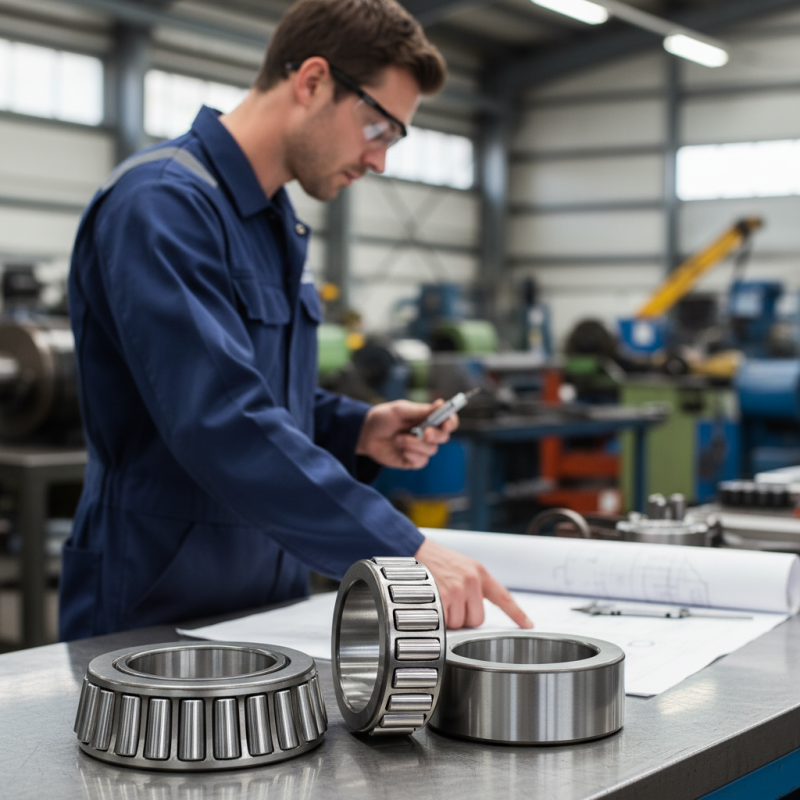
Taper roller bearings are essential components in various industrial applications. Understanding their basic structure and usage can help in selecting the right type for your needs. These bearings consist of inner and outer tapered races, allowing for high-load capacity and minimizing friction. Data from industry reports indicate that taper roller bearings account for a significant portion of the global bearing market, projected to reach $20 billion by 2025.
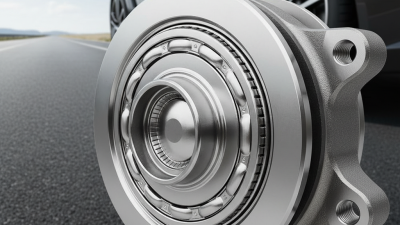
In automotive and aerospace sectors, taper roller bearings are crucial. They handle axial and radial loads effectively, making them ideal for applications like wheel hubs and transmissions. The reliability of these bearings is evident in their widespread use, yet manufacturers often face challenges in ensuring continuous performance under varying load conditions.
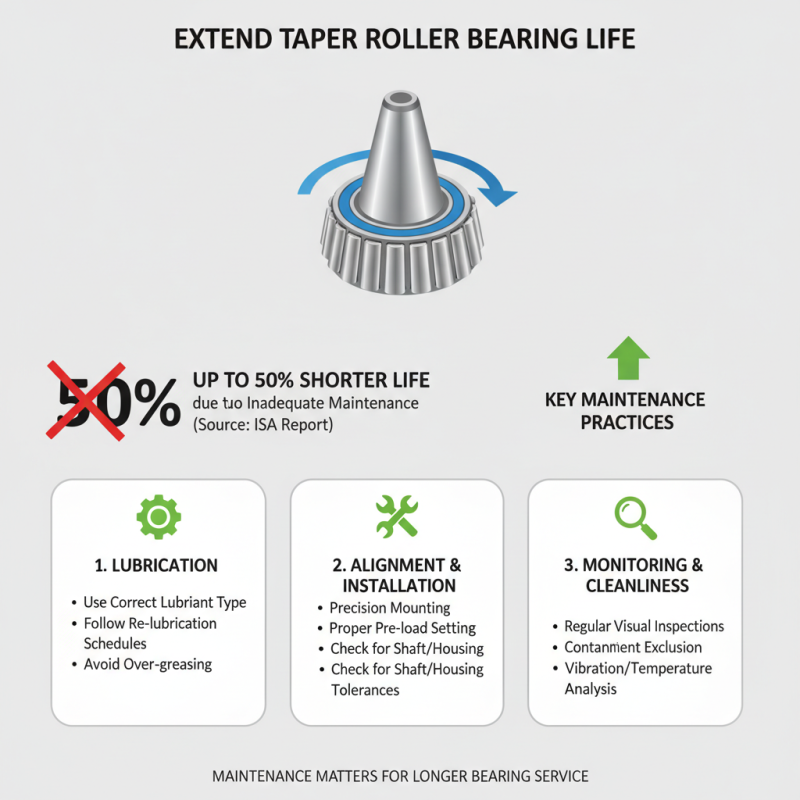
Consideration of factors like load ratings, speed capabilities, and environmental conditions is vital during selection. Precision is key. Misjudging load requirements can lead to premature failure. A study highlighted that improper installation contributes to 30% of bearing failures in industrial settings. Therefore, an informed selection process is paramount. This includes understanding your specific application demands and seeking guidance from technical experts when necessary. Proper evaluation techniques can prevent costly downtime and enhance operational efficiency.
Key Specifications to Consider When Choosing Taper Roller Bearings
When selecting taper roller bearings, certain key specifications are crucial. The load capacity is one of them. Ensure it matches the operational requirements of your machinery. This determines the bearing's ability to handle radial and axial loads effectively. Misalignment here can lead to premature failure and inefficiencies.
Another important factor is the clearance. It influences the performance and longevity of the bearing. Too much clearance can result in instability, while too little may cause overheating. Understanding these limits is critical. It's often overlooked, leading to costly replacements.
Finally, consider the material and lubrication type. These affect durability and operation under different conditions. High-performance applications may need specific materials to endure extreme conditions. Choosing the wrong lubrication method can also impair functionality. Think over these details carefully to avoid future issues.
Interpreting Load Ratings and Their Importance in Bearing Selection
When selecting a taper roller bearing, understanding load ratings is crucial. Load ratings indicate how much weight the bearing can support. They influence the bearing's lifespan and performance in various applications. A common error is overlooking these ratings during the selection process. Many users might choose a bearing based solely on size or appearances. This approach can lead to early failures or inefficient operations.
Consider the dynamic load rating, which represents the bearing's performance under moving loads. This metric is vital for applications with variable stresses. For static situations, the static load rating is essential. Not understanding these distinctions can lead to miscalculations.
It’s also important to reflect on your needs. Are there vibration factors? What are the operating speeds? Each application has unique demands that affect bearing choice. Regular assessments of performance can reveal whether the selected bearing meets the requirements. Ultimately, informed decisions lead to longer service life and better reliability.
How to Select the Right Taper Roller Bearing for Your Needs?
| Bearing Size (mm) |
Load Rating (kN) |
Dynamic Load Rating (C) |
Static Load Rating (C0) |
Fatigue Load Limit (Pu) |
| 35 x 62 x 14 |
20.5 |
26.5 |
29.0 |
3.2 |
| 40 x 80 x 18 |
30.0 |
45.0 |
55.0 |
5.0 |
| 50 x 110 x 27 |
48.5 |
65.0 |
80.0 |
9.5 |
| 60 x 130 x 31 |
60.0 |
90.0 |
105.0 |
12.0 |
| 70 x 150 x 35 |
75.0 |
110.0 |
135.0 |
15.0 |
Common Materials Used in Taper Roller Bearings and Their Impact on Performance
Taper roller bearings are essential components in various machinery. The choice of material affects their performance significantly. Common materials include chromium steel, stainless steel, and ceramics. Chromium steel, for instance, is highly favored for its excellent hardness and wear resistance. Many studies indicate that this material can enhance bearing life by up to 30% under normal operating conditions.
Stainless steel is another option, known for its corrosion resistance. It is particularly beneficial in environments exposed to moisture and corrosive substances. Reports suggest that stainless steel taper roller bearings can improve performance in challenging conditions, yet their cost is typically higher than chromium steel.
Ceramic materials are at the forefront of innovation. They provide reduced friction and lighter weight, which can lead to performance improvements. However, the brittleness of ceramics raises questions about durability in heavy-load applications. The initial investment may be higher, and the trade-offs must be considered. Balancing material selection with specific application requirements is crucial for optimizing performance and longevity.
Common Materials Used in Taper Roller Bearings and Their Impact on Performance
This chart illustrates the performance characteristics of various materials used in taper roller bearings, including Steel, Brass, and Polyamide. Each material's impact on load capacity, friction, and wear resistance is compared.