What is a Tapered Roller Bearing and How Does It Work?
A Tapered Roller Bearing is a crucial component in many mechanical systems. Its design allows for the effective handling of both axial and radial loads. This unique feature makes it ideal for applications like automotive and heavy machinery.
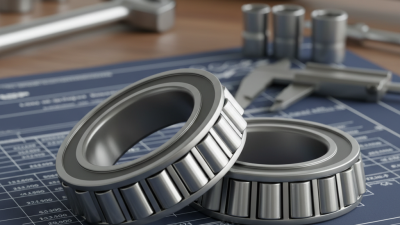
Understanding how a Tapered Roller Bearing works requires diving into its geometry. The rollers are shaped like a truncated cone, which enables them to distribute weight evenly. This setup reduces wear and extends the bearing's lifespan.
However, not every Tapered Roller Bearing performs flawlessly. Factors like misalignment or improper installation can lead to issues. Recognizing these potential shortcomings is essential for optimal performance. Thus, maintenance and correct usage are key aspects that cannot be overlooked.
What is a Tapered Roller Bearing?
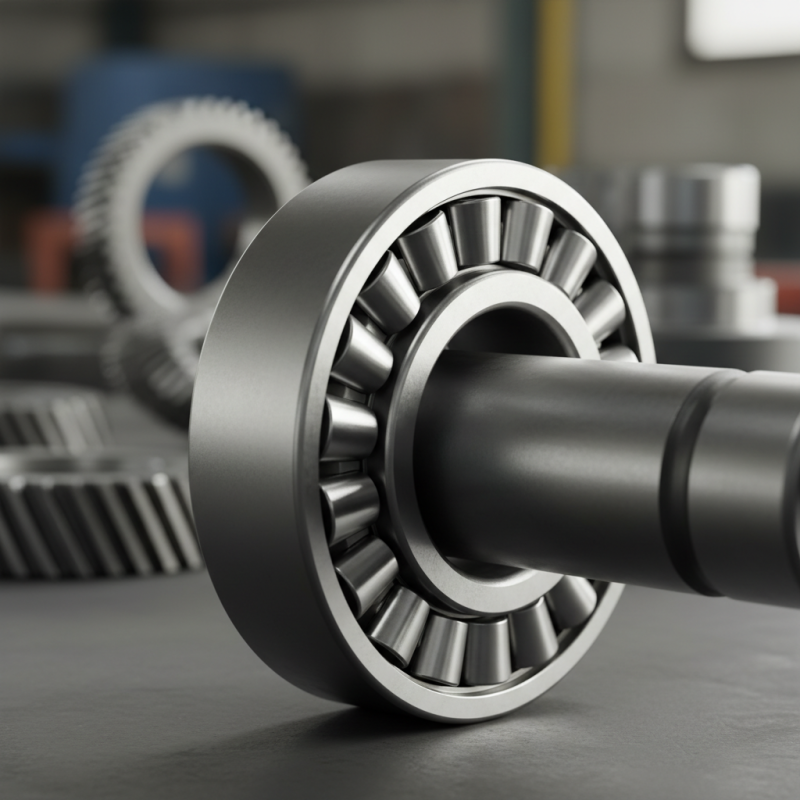
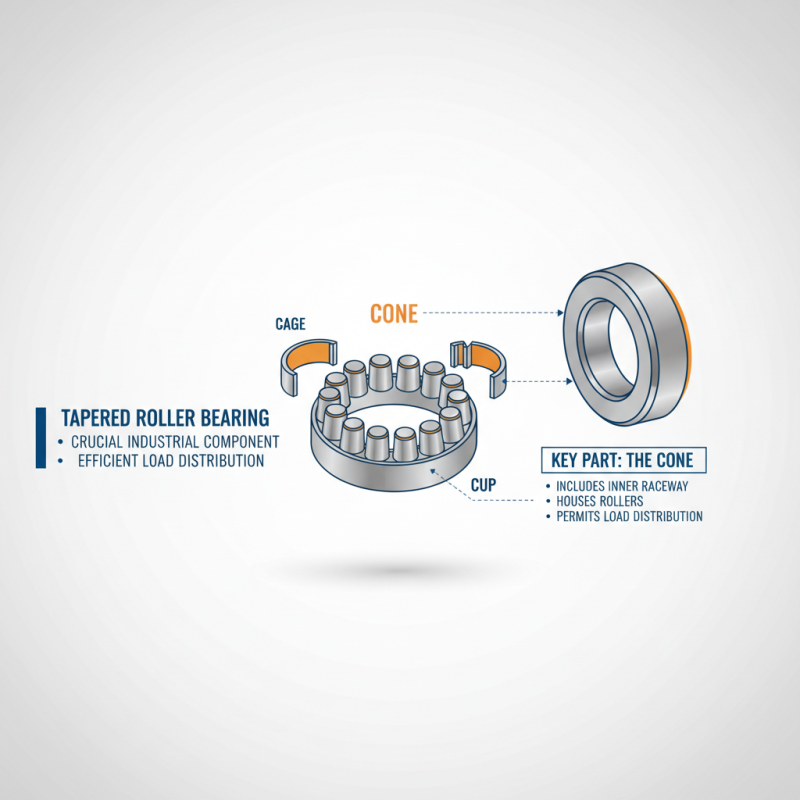
A tapered roller bearing is a crucial component in many machines. It consists of inner and outer rings, rolling elements, and a cage to hold them in position. The unique design allows it to handle both radial and axial loads. This capability makes it ideal for various applications, such as automotive and industrial machinery.
According to industry reports, tapered roller bearings can support heavy loads effectively, often up to 60% more than similar standard bearings. This is due to the contact angle that allows better load distribution. However, improper installation can lead to premature failure. Many users overlook this critical aspect, resulting in costly repairs and downtime.
Tips: Always double-check the mounting specifications before installation. Regular maintenance also helps prolong the life of these bearings. The lubrication type and amount are vital too. Too little or too much can reduce efficiency.
In summary, while tapered roller bearings are beneficial, they require meticulous attention. The right choices in maintenance can avoid significant setbacks. Understanding their design and application can help you achieve better performance.
Key Components of Tapered Roller Bearings
Tapered roller bearings are crucial components in many industries. Understanding their key parts can enhance your use of them. At the heart of these bearings lies the cone, which includes the inner raceway. This cone is essential for housing the rollers. The shape of the cone permits efficient load distribution.
The tapered rollers are another critical component. They are arranged in a way that allows them to support both radial and axial loads. The angle of the taper plays a role in how they bear weight. A precise design ensures minimal friction and better performance. According to industry reports, a well-constructed tapered roller bearing can support loads up to 30% more than standard bearings.
The outer raceway, which accommodates the cone and rollers, completes the assembly. As the bearing operates, these components work together dynamically. Heat generation can affect performance if not managed. Reports indicate that improper alignment can lead to premature wear. Ongoing maintenance and monitoring are vital for optimal functionality.
How Tapered Roller Bearings Function
Tapered roller bearings are crucial components in many machines. They are designed to handle both radial and axial loads. This unique ability makes them ideal for various applications, from automotive to industrial machinery. These bearings feature tapered rollers that allow for a larger contact area with the raceways. This design enhances load capacity and increases overall efficiency.
The key to their function lies in the geometry of the rollers. When loads are applied, the rollers roll along the tapered surfaces. This creates a natural alignment that optimizes load distribution. According to a report from the American Bearing Manufacturers Association, tapered roller bearings can handle axial loads up to 40% more than other types. However, improper installation can lead to premature failure.
Regular maintenance is essential for longevity. Lubrication plays a vital role in their performance. A study by the International Organization for Standardization highlights that inadequate lubrication can decrease bearing life by 25%. Users often overlook this aspect. As a result, it’s important to check the lubrication levels frequently and apply appropriate grease or oil. This attention to detail can prevent costly downtime and improve operational efficiency.
Applications of Tapered Roller Bearings
Tapered roller bearings are crucial components in various industries. They are designed to handle axial and radial loads simultaneously. Their unique shape allows them to provide better load distribution. This makes them ideal for heavy machinery and automotive applications.
In construction equipment, tapered roller bearings play a vital role. They support the moving parts needed for lifting and digging. In trucks, these bearings ensure smooth wheel rotation. Proper lubrication is essential for longevity. Without it, damage may occur quickly.
Tips: Regular maintenance is key. Check for wear and replace bearings promptly. Use the right lubricant to reduce friction. This can help avoid costly breakdowns. Also, ensure proper alignment during installation. Misalignment can lead to premature failure. Always keep an eye on performance. If you notice unusual noises, investigate immediately.
In the manufacturing sector, tapered roller bearings are found in conveyor systems. They allow for smooth movement of materials. Sometimes, they can face challenges due to dirt and debris. Regular cleaning can help maintain performance. Remember, ignoring minor issues can lead to significant problems later. Always prioritize maintenance schedules to keep operations running smoothly.
What is a Tapered Roller Bearing and How Does It Work? - Applications of Tapered Roller Bearings
| Dimension |
Value |
Application Area |
| Inner Diameter (ID) |
20 mm to 100 mm |
Automotive transmission |
| Outer Diameter (OD) |
30 mm to 150 mm |
Heavy machinery |
| Width |
10 mm to 50 mm |
Railways |
| Load Capacity |
Up to 2000 kg |
Construction equipment |
| Speed Rating |
Up to 3000 RPM |
Industrial machinery |
Benefits of Using Tapered Roller Bearings
Tapered roller bearings are essential in various applications. Their unique design allows them to handle both axial and radial loads. This versatility makes them popular in automotive and industrial machinery. According to a report by the Global Bearing Market, tapered roller bearings accounted for over 20% of the total bearing market share in 2022, illustrating their widespread usage.
One significant benefit of using tapered roller bearings is their ability to support heavy loads while maintaining speed. They can operate at high speeds with reduced friction. This leads to improved efficiency in machinery. Data suggests that systems using tapered roller bearings can achieve a 10-15% increase in energy efficiency. This means lower operational costs and a reduced carbon footprint.
However, installation and maintenance can pose challenges. Incorrect alignment during installation may lead to premature failure. Additionally, they require regular lubrication for optimal performance. Failure to monitor and maintain them can result in costly downtime. Awareness of these issues is crucial for users. Addressing them ensures the full benefits of tapered roller bearings are realized.
Performance Benefits of Tapered Roller Bearings