Leave Your Message

Essential Tips for Choosing the Right Standard Ball Bearing?

Choosing the right Standard Ball Bearing can be challenging. With numerous options available, it’s crucial to make informed decisions. As industry expert John Smith notes, “Selecting the right bearing is essential for performance and longevity.” This advice underscores the importance of understanding bearings in engineering applications.

Standard Ball Bearings play a vital role in machinery. They reduce friction and support loads effectively. However, not all bearings are created equal. Factors such as material, size, and load capacity must be considered. Ignoring these details can lead to failures.

In a market flooded with choices, it’s easy to feel overwhelmed. You may question whether you are making the right choice. Taking time to research and consult experts can provide clarity. Remember, a little knowledge goes a long way in ensuring the right fit for your needs.
Essential Tips for Choosing the Right Standard Ball Bearing?

Understanding the Basics of Standard Ball Bearings

Essential Tips for Choosing the Right Standard Ball Bearing?

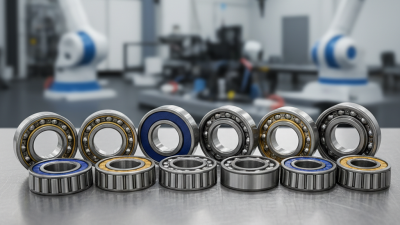
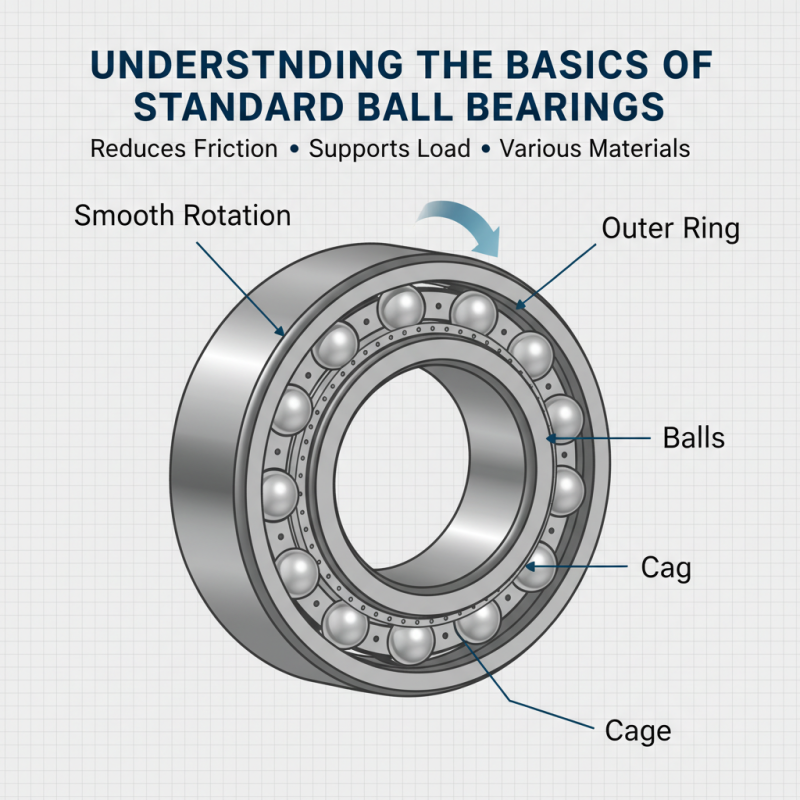
When selecting standard ball bearings, understanding their basics is crucial. Standard ball bearings consist of inner and outer rings, balls, and a cage. The design helps reduce friction, allowing smooth rotation in machinery. Different sizes and materials are available, affecting their performance. Steel, ceramic, and plastic options exist, each significant in specific applications. The choice depends on load capacity, speed, and environmental conditions.

Another aspect to consider is the bearing's lubrication. Proper lubrication ensures optimal performance and lifespan. Lubricants come in grease or oil forms. Each has advantages; grease is often simpler while oil allows for cooler operating temperatures. Remember that improper lubrication can lead to failure. It is essential to reflect on maintenance schedules and conditions that might influence the bearing's performance.

Lastly, it’s important to identify the specific requirements for your application. A bearing's tolerance, fit, and operational limits are critical. Don’t overlook these factors; they can make a significant difference. Standard ball bearings can seem straightforward, but their selection needs careful consideration. This can feel overwhelming, but even small details matter greatly.

Key Factors to Consider When Choosing Ball Bearings

When selecting the right standard ball bearing, several key factors play a crucial role. The materials used in bearings, such as steel or ceramic, greatly influence their performance. Steel bearings are generally more affordable and durable, while ceramics can offer higher speeds and lower friction. According to a report from the National Institute of Standards and Technology, ball bearings made from high-grade steel can withstand significant stress, making them ideal for heavy industrial applications.

Lubrication is another vital consideration. Proper lubrication reduces friction and wear, extending the bearing's lifespan. Some studies have shown that well-lubricated bearings can last up to three times longer than those with inadequate lubrication. It's essential to choose the right lubricant for your application to ensure optimal performance.

Tip: Always check the operating temperature range of bearings. Exceeding this range can result in failure. Resistance to contaminants is also pivotal; dirty environments can degrade performance quickly. Opt for seals or shields to protect your bearings and enhance reliability. Regular maintenance checks can identify potential issues early, saving both time and resources.

Essential Tips for Choosing the Right Standard Ball Bearing

Dimension Description Key Factors to Consider
Ball Material Material used for the balls Choose between steel, ceramic, or hybrid based on application.
Bearing Size Inner diameter, outer diameter, and width Ensure compatibility with the shaft and housing dimensions.
Load Capacity Maximum load the bearing can handle Consider dynamic and static load ratings based on application needs.
Speed Rating Maximum speed at which the bearing can operate Match speed requirements with the bearing specifications.
Seal Type Type of seal (open, shielded, or sealed) Choose based on environmental conditions and maintenance preferences.
Lubrication Type of lubrication used (grease or oil) Understand maintenance intervals and lubrication methods for longevity.

Analyzing Load Capacity and Speed Ratings

When selecting a standard ball bearing, analyzing load capacity and speed ratings is crucial. Load capacity refers to the maximum weight a bearing can handle. This can vary significantly based on the bearing type and design. Specialists suggest checking industry standards, such as ISO 281, which provides guidelines for dynamic load ratings. Typical dynamic load ratings can range from a few hundred pounds to several tons, depending on the application.

Speed ratings also play a vital role. Bearings have limits based on materials and lubrication, directly impacting their performance and lifespan. For instance, hybrid ceramic bearings may deliver higher speeds compared to traditional steel ones. An analysis from the Journal of Engineering suggests that speed ratings can reach up to 100,000 RPM in specialized applications. However, ignoring the heat generated at high speeds can lead to premature failure.

Tips: Assess your application’s specific requirements. Consider both load and speed needs. Review manufacturer specifications thoroughly. Ensure compatibility with your machinery to enhance performance. Regular maintenance and monitoring can prevent issues related to overload or speed miscalculations. Adapting to these factors can improve reliability significantly.

Material Selection and Its Impact on Performance

Essential Tips for Choosing the Right Standard Ball Bearing?

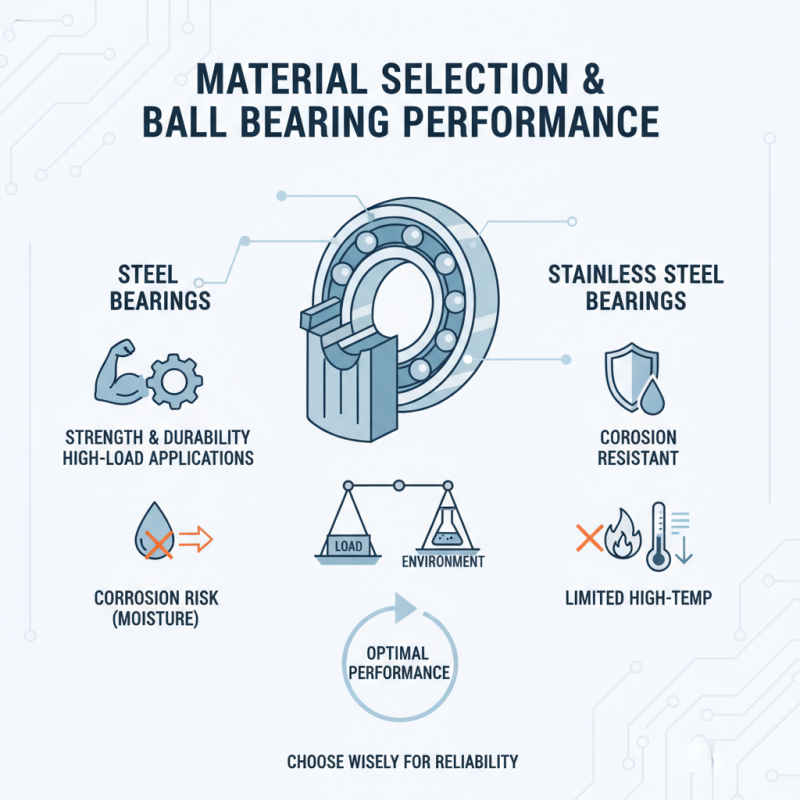
Choosing the right material for standard ball bearings is crucial for performance. Different materials offer unique advantages and disadvantages. For instance, steel bearings are strong and durable, making them ideal for high-load applications. However, they can suffer from corrosion if exposed to moisture. Stainless steel, on the other hand, resists corrosion but may not handle high temperatures as effectively.

When selecting materials, consider the operating environment. If the bearing will encounter chemicals or extreme temperatures, plastic or ceramic bearings may be better suited. They weigh less and can provide lower friction. However, they are generally more brittle than their metal counterparts. This can lead to unexpected failures if not properly assessed.

Here are some tips: Always evaluate the load conditions before choosing a material. Conduct a thorough analysis of operating speeds as well. Remember, the right material can significantly enhance performance, while the wrong choice might lead to early failure. Consider testing samples in real conditions to gather data. The experience from these tests can guide future selections. Look for feedback from peers who have faced similar challenges in material selection.

Maintenance and Care for Longevity of Ball Bearings

Proper maintenance of ball bearings is crucial for their longevity and performance. Regular lubrication can significantly reduce wear and tear. According to a report by the National Lubricating Grease Institute, proper lubrication can extend the life of bearings by 50% or more. However, many users overlook this aspect. They sometimes apply too much grease or forget the intervals altogether. Over-lubrication can lead to increased friction and heat, resulting in premature failure.

Cleaning ball bearings is another essential factor. Contaminants like dust and moisture can compromise their effectiveness. A study published in the Journal of Tribology found that bearings exposed to contaminants had a 30% lower lifespan than those kept clean. Users should regularly inspect their bearings. Ignoring signs of wear can lead to larger issues over time. For instance, irregular noises or abnormal rotations can indicate impending failure.

Vibration analysis is also beneficial in monitoring bearing health. Implementing this technology can detect faults early. However, many maintenance teams fail to use it regularly. A lack of awareness often leads to costly downtimes. Each of these steps is vital. Relying on best practices ensures that ball bearings perform optimally and last longer. Paying attention to maintenance can make a significant difference in operational efficiency.