Top Tips for Selecting Agricultural Bearings for Your Needs?
Selecting the right agricultural bearings is crucial for farm machinery efficiency. Renowned expert Dr. John Stevens, a specialist in agricultural engineering, states, "The right bearing can significantly enhance equipment performance." Understanding your needs is vital in this process.
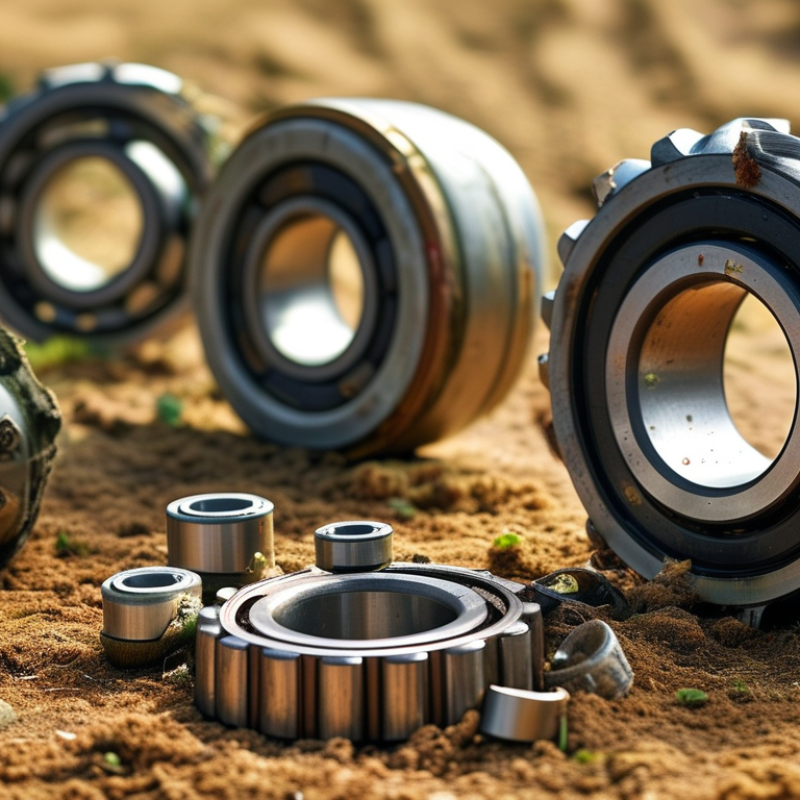
Agricultural bearings play a key role in reducing friction and wear in machinery. They support various components, enabling smooth operation. Choosing the proper type can prevent costly downtimes. However, many overlook their significance until problems arise.
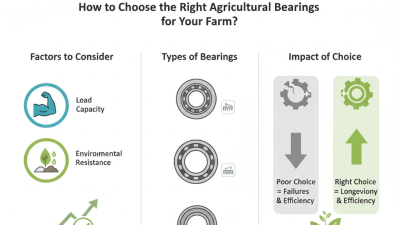
Farmers should consider various factors when selecting bearings. These include load capacity, environmental conditions, and lubrication needs. Even small mistakes can lead to failure. Understanding specific machinery and application requirements is essential. The right choice can lead to improved productivity and longevity of equipment.
Understanding the Importance of Bearings in Agriculture
Bearings play a crucial role in agriculture. They support machinery parts, ensuring smooth operation. Without proper bearings, equipment can fail, leading to costly downtime. Farmers rely on machines for planting, harvesting, and processing. A small bearing failure could disrupt these vital activities.
Choosing the right bearings is not always straightforward. Factors like loads, speeds, and environmental conditions must be considered. For instance, dust and moisture can quickly degrade a bearing’s performance. Therefore, selecting agricultural bearings requires careful thought and understanding. It’s easy to overlook these details, but doing so can lead to significant problems later.
Farmers often face challenges in this area. Many lack in-depth knowledge about the various bearing types available. This gap can result in selecting unsuitable bearings for specific tasks. It's worth investing time in learning about different materials and construction. A well-informed choice can enhance machinery lifespan and efficiency. Consider consulting experts for guidance.
Types of Agricultural Bearings and Their Specific Applications
When selecting agricultural bearings, understanding their types and applications is vital. Different bearings serve specific purposes. For instance, deep groove ball bearings excel in both radial and axial loads, often found in tractors. According to a report from the Agricultural Engineering Society, these bearings can sustain high speeds and handle diverse environmental conditions.
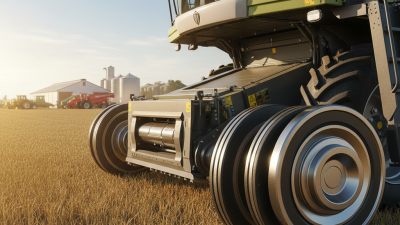
Another common type is the tapered roller bearing. These bearings are designed for heavy loads and are ideal for use in agricultural equipment like combines. Their capacity to manage both radial and thrust loads makes them invaluable in farming operations. A study published in the Journal of Agricultural Machinery highlights that the use of tapered roller bearings can lead to a 15% increase in equipment efficiency.
When choosing a bearing, consider these tips: Opt for corrosion-resistant materials to prolong lifespan. Evaluate bearing seals, ensuring they fit the work environment. Regular inspections can prevent unexpected failures. Investing time in these selections can yield better performance in the long run and aid in maintaining equipment longevity.
Key Factors to Consider When Choosing Agricultural Bearings
When selecting agricultural bearings, several key factors must be considered to ensure optimal performance and longevity. A reliable bearing can significantly impact equipment efficiency. According to a report by the American Society of Agricultural Engineers, poor bearing selection can lead to a 30% reduction in machinery performance.
Material choice is crucial. Bearings come in various materials, each offering different benefits. Stainless steel is resistant to corrosion, while ceramic bearings provide excellent wear resistance. Depending on your environment, the right material can prevent early failures. Analyze your working conditions to make an informed choice.
One must also consider the load capacity. Heavy machinery often operates under high loads. Bearings should withstand operational stresses without compromising performance. A study by the International Journal of Agricultural Engineering noted that choosing bearings with inadequate load ratings could lead to costly downtimes.
Pay attention to lubrication needs. Some bearings require regular greasing for optimal performance. Insufficient lubrication can lead to overheating and premature failure. Adopting proper maintenance practices can enhance bearing lifespan. Assess both your maintenance capabilities and the bearing specifications.
Ultimately, carefully weighing these factors can lead to better machinery performance. Select bearings tailored to your unique agricultural applications for greater efficiency and productivity.
Top Tips for Selecting Agricultural Bearings for Your Needs
This bar chart illustrates key factors to consider when selecting agricultural bearings. The importance level (on a scale from 1 to 10) for each factor provides a quick reference for decision-making. Factors such as Load Rating and Material Type are essential for ensuring reliability and efficiency in agricultural applications.
Maintenance Tips for Prolonging the Life of Agricultural Bearings
Agricultural bearings are crucial to the efficiency of farming equipment. Proper maintenance can significantly extend their lifespan. According to a recent industry report, timely maintenance can increase bearing life by up to 50%. Regular inspections help identify issues early. It's vital to check for signs of wear or damage.
Lubrication is a key factor in bearing maintenance. Use the correct type of lubricant for your specific bearings. Inadequate lubrication leads to excessive wear. Aim for a grease that withstands high temperatures and pressures common in agricultural settings. A study found that bearings with optimal lubrication last 30% longer than those with improper supplies.
Monitor operating temperatures as well. High temperatures can indicate lubrication failure or misalignment. These factors can reduce the efficiency of the entire system. Even small misalignments can cause extra stress, decreasing bearing life. Keeping equipment adjustments in check is essential. Consider implementing a routine maintenance schedule, as this fosters better equipment health in the long run.
Common Mistakes to Avoid in Bearing Selection for Agricultural Use
Selecting the right bearings for agricultural machinery can dramatically impact efficiency and longevity. A common mistake is overlooking operating conditions. For instance, bearings in humid environments can corrode faster. A study by the American Society of Agricultural and Biological Engineers highlighted that nearly 30% of equipment failures stem from inappropriate bearing choices.
Another frequent error is ignoring load capacity. Many operators fail to assess the weight and stress that bearings will encounter. Choosing a bearing with insufficient load capacity can lead to premature wear. The recommended practice is to consult manufacturer's guidelines based on the application. Remember that different crops may present unique challenges, affecting bearing performance.
Also, consider lubrication methods. Some users mistakenly neglect regular maintenance. A report from the Journal of Agricultural Engineering revealed that proper lubrication could increase bearing life by up to 50%. Insufficient lubrication is a leading cause of failure. Always ensure to use the correct type and amount of lubricant according to specific working conditions.
Top Tips for Selecting Agricultural Bearings for Your Needs
| Bearing Type |
Load Capacity (kg) |
Speed (RPM) |
Temperature Range (°C) |
Lubrication Type |
| Deep Groove Ball Bearing |
4000 |
3000 |
-20 to 120 |
Grease |
| Self-Aligning Ball Bearing |
2500 |
2000 |
-30 to 100 |
Oil |
| Spherical Roller Bearing |
5000 |
1500 |
-20 to 120 |
Grease |
| Tapered Roller Bearing |
7500 |
1800 |
-30 to 150 |
Oil |
| Angular Contact Ball Bearing |
3500 |
4000 |
-20 to 120 |
Grease |