Top 10 Best Angular Ball Bearings for Optimal Performance?
When it comes to machinery and equipment, performance is paramount. Angular ball bearings play a crucial role in ensuring smooth operation. They provide the ability to handle both radial and axial loads. This versatility makes them essential in various applications, from automotive to industrial machinery.
Choosing the right Angular ball bearing can be overwhelming. There are numerous brands and specifications available. Each option has its unique strengths and weaknesses. Performance often hinges on these details.
In this guide, we’ll explore the top 10 best Angular ball bearings for optimal performance. We will highlight their features and potential drawbacks. You'll find insights to make an informed decision. Understanding these differences can make all the difference in your project's success.
Understanding Angular Ball Bearings: Key Features and Benefits
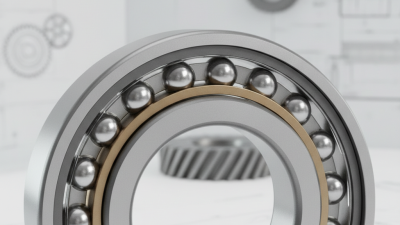
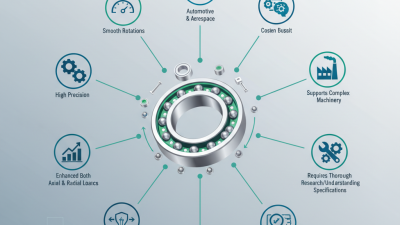
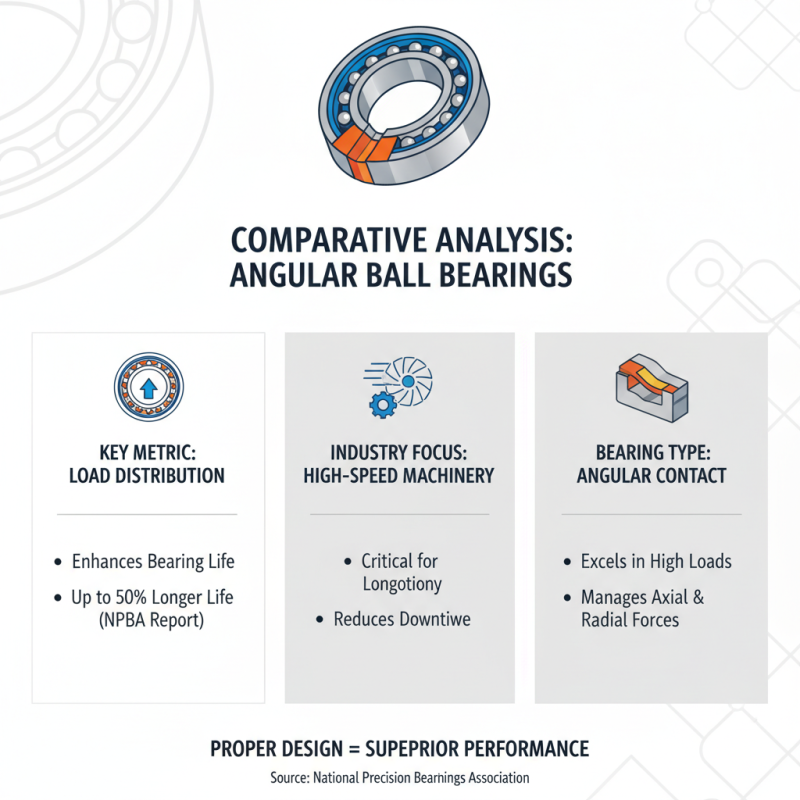
Angular ball bearings are essential components in various mechanical systems, providing unique advantages. Their design allows for both radial and axial loads, making them versatile. The balls are positioned at a specific angle, which enhances their performance. This angle is crucial for reducing friction and increasing efficiency, especially in high-speed applications.
One key feature is their ability to handle misalignment. This makes angular ball bearings suitable for various environments. However, they require precise installation. Any errors can lead to premature wear or failure. Users should pay attention to lubrication. Proper lubrication is critical for optimal performance and longevity. Low-quality lubricants can lead to increased heat, impacting functionality.
Another benefit is noise reduction. Angular ball bearings often operate more quietly than other types. This is especially important in applications where noise can be disruptive. Still, they are not without drawbacks. The complexity of their design can sometimes lead to higher costs. Understanding these factors helps users make informed decisions. Balancing performance with budget is essential for effective use.
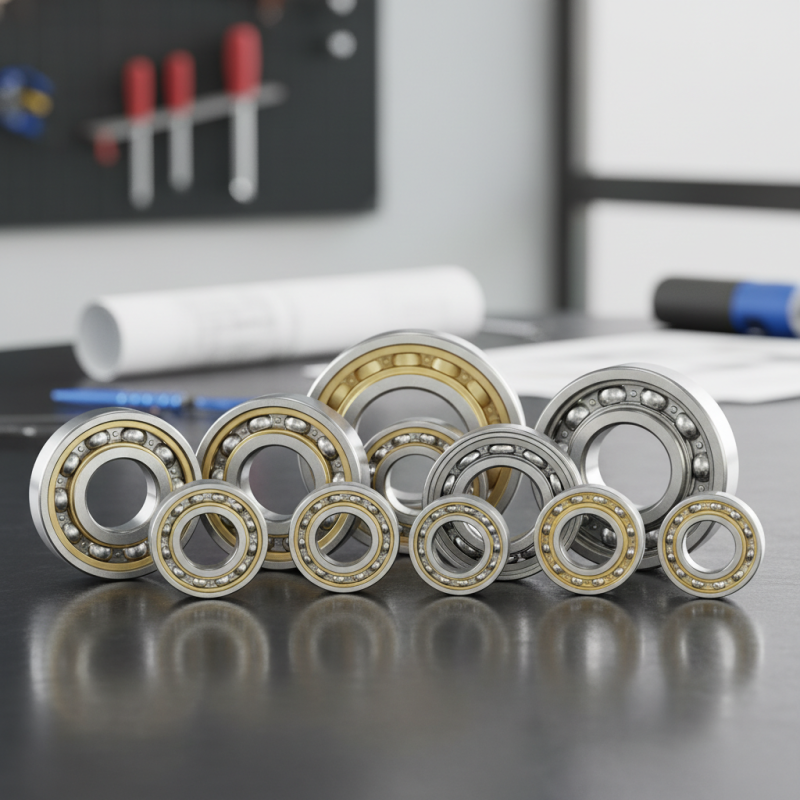
Top 10 Best Angular Ball Bearings for Optimal Performance
Criteria for Selecting the Best Angular Ball Bearings
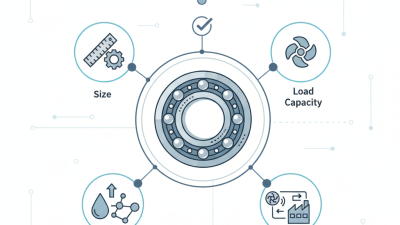
Choosing the best angular ball bearings requires a keen understanding of several key criteria. The first factor to consider is load capacity. Bearings must withstand the operational load without failing. Overloading can lead to premature wear or catastrophic failure.
Another critical aspect is the bearing's material. Common materials include stainless steel and ceramic. Each has advantages and disadvantages. Stainless steel is robust and suitable for various environments. However, it can corrode under certain conditions. Ceramic, though stronger, can be brittle.
Lubrication also plays a vital role in performance. Proper lubrication reduces friction and heat. However, selecting the right type can be problematic. Too much or too little lubrication can harm performance. Finally, precision rating should not be overlooked. Higher precision ensures smoother operation but may come at a higher cost. Each selection affects the overall effectiveness, requiring careful thought.
Top 10 Angular Ball Bearings: Reviews and Performance Highlights
Choosing the right angular ball bearings is crucial for any machinery. These components play a vital role in supporting axial and radial loads. With advancements in materials and design, performance has improved significantly. A recent study from the American Society of Mechanical Engineers indicates that high-quality bearings can increase efficiency by up to 15%. This is an impressive figure for any operational setting.
Performance highlights often depend on load capacity and speed. Bearings rated for higher load capacities tend to perform better in demanding applications. However, many users fail to consider the trade-offs. For instance, while some bearings excel under heavy loads, they may not handle high speeds effectively. This is an imbalance that can lead to premature failures. Another report by the International Journal of Mechanical Sciences notes a correlation between bearing misalignment and reduced lifespan, emphasizing the need for precise installation.
Material choice plays a crucial role as well. Bearings made from high-grade steel or ceramic can withstand harsher conditions, yet they come at a higher cost. It's worth noting that user experience can differ widely. A bearing that works perfectly in one environment may falter in another. Factors like lubrication and temperature management also influence their performance. Recognizing these nuances is vital for making informed decisions.
Maintenance Tips for Ensuring Optimal Performance of Angular Ball Bearings
Proper maintenance is essential for ensuring the optimal performance of angular ball bearings.
Regular lubrication is crucial. Studies show that bearings can fail due to inadequate lubrication.
Using the right type of lubricant increases lifespan significantly. Apply lubricants at intervals recommended by manufacturers.
Avoid over-lubrication, as it could lead to overheating and damage.
Monitoring temperature and vibration is also critical. Excessive heat often indicates underlying issues.
According to industry reports, 70% of bearing failures stem from improper installation or alignment.
Regularly check alignment to prevent unnecessary wear. Keeping operating conditions clean will further enhance performance.
Inspect seals and shields regularly. Damaged seals can allow contaminants to enter. Contaminants may lead to corrosion and ultimately failure.
Replace worn parts promptly. Addressing small issues can prevent larger, costlier problems in the future.
Regular audits can help identify trends in performance, allowing for timely interventions.