Leave Your Message

Top 10 Wheel Hub Bearing Assembly FAQs for Global Buyers?

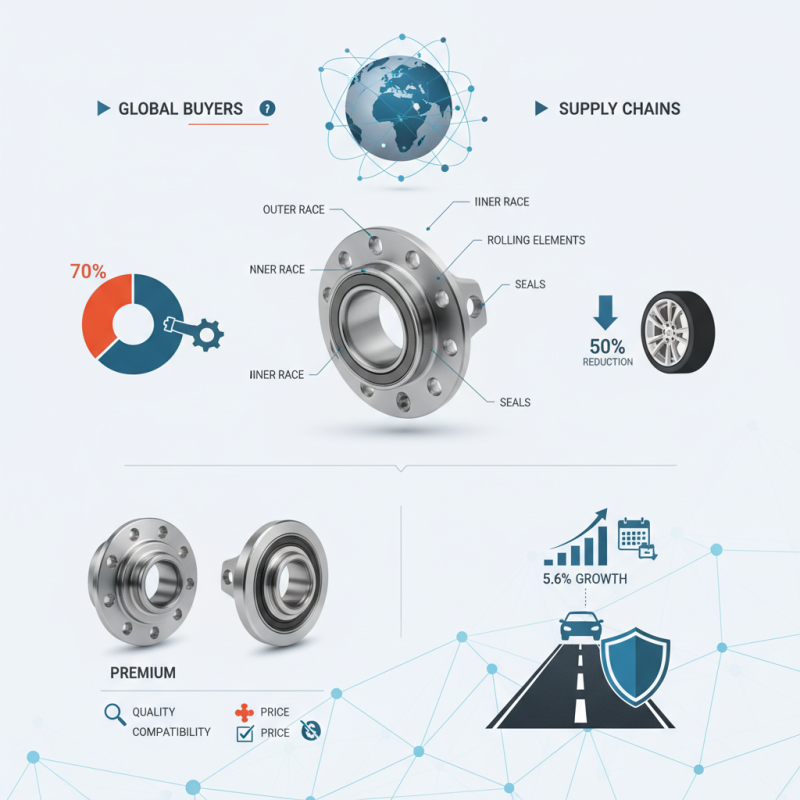
In today's automotive landscape, the Wheel Hub Bearing Assembly plays a critical role in vehicle performance and safety. Research indicates that over 70% of passenger vehicle maintenance issues stem from faulty wheel components. Thus, understanding the intricacies of this assembly is essential for global buyers. The bearing assembly ensures smooth wheel rotation and impacts overall drivability.

Buyers must be informed about the different types and specifications available. A lack of knowledge can lead to costly mistakes. Data from industry reports highlight that improper installation can decrease the assembly's lifespan by over 50%. Moreover, the demand for reliable suppliers has surged, with a projected growth rate of 5.6% in the wheel hub bearing market through 2026.

Furthermore, selecting the right assembly is not just about price. It involves considering factors like quality and compatibility. Studies reflect that premium bearings can enhance vehicle longevity and performance. This complexity invites numerous questions from buyers. Addressing these queries can lead to informed purchasing decisions, ultimately promoting safety and reliability on the road.
Top 10 Wheel Hub Bearing Assembly FAQs for Global Buyers?

Commonly Asked Questions About Wheel Hub Bearing Assembly

When it comes to wheel hub bearing assemblies, buyers often have questions. Understanding these assemblies is critical for vehicle safety and performance. The wheel hub bearing connects the wheel to the suspension. It allows the wheel to rotate smoothly on the axle. Here are some common inquiries.

Many ask about the lifespan of these assemblies. Typically, they last between 70,000 to 100,000 miles. However, this can vary based on driving habits and road conditions. Regions with harsher climates may see these parts wear faster. It's important to regularly inspect them for issues like noise or vibrations.

Another frequent concern is the signs of failure. Noise when turning can indicate a problem. If the wheel feels loose, it’s crucial to address it immediately. Ignoring such symptoms can lead to more severe damage. A comprehensive study indicated that 30% of vehicle breakdowns relate to wheel hub bearing failure. Regular maintenance and timely replacement are key to ensuring optimal vehicle functionality.

Top 10 Wheel Hub Bearing Assembly FAQs for Global Buyers

Question Answer
What is a wheel hub bearing assembly? A wheel hub bearing assembly is a unit that connects the wheel to the vehicle and allows it to rotate smoothly.
How do I know if my wheel hub bearing needs to be replaced? Common signs include abnormal noise from the wheel area, vibration while driving, and uneven tire wear.
What are the common causes of wheel hub bearing failure? Common causes include contamination from dirt and moisture, excessive heat, and poor installation.
How often should I check my wheel hub bearings? It is recommended to inspect them during regular vehicle maintenance or when changing tires.
Can I replace the wheel hub bearing myself? Yes, if you have the right tools and knowledge, but it can be complex and may require professional help.
What types of wheel hub bearing assemblies are available? There are two main types: hub units with integrated sensors and those without.
How much does it cost to replace a wheel hub bearing assembly? Costs can vary widely, but generally range from $150 to $500 including parts and labor.
Are there any warranties on wheel hub bearings? Many manufacturers offer warranties ranging from 1 to 3 years depending on the product.
What should I do if I notice noise from my wheel hub bearings? Have a qualified mechanic inspect your vehicle to determine the cause and necessary repairs.
Is it safe to drive with a faulty wheel hub bearing? It is not safe as it can lead to wheel failure and loss of control of the vehicle.

Understanding the Functionality of Wheel Hub Bearings

Top 10 Wheel Hub Bearing Assembly FAQs for Global Buyers?

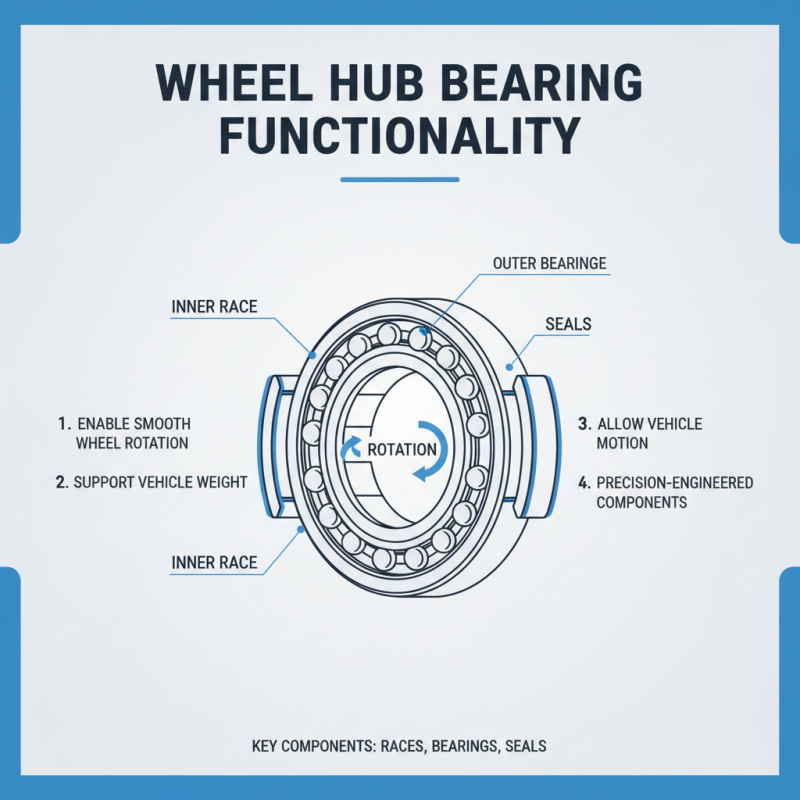
Wheel hub bearings play a crucial role in vehicle safety and performance. They enable the wheels to rotate smoothly, supporting weight while allowing for the vehicle’s motion. Understanding these components helps users ensure their vehicles operate efficiently. Each wheel hub bearing assembly consists of precision-engineered components. These include inner and outer races, ball bearings, and seals.

Regular inspection of wheel hub bearings is vital. Signs of wear might include unusual noises or vibrations. Drivers often overlook these indications, leading to serious issues. Replacing a damaged bearing promptly can save time and money down the road. The assembly also impacts the vehicle’s handling. A properly functioning bearing ensures stability during acceleration and braking.

However, not all wheel hub bearings are created equal. Buyers need to consider various factors. Compatibility with vehicle models is essential. Additionally, understanding load capacity and bearing type can influence decision-making. Engaging with trusted experts can aid in navigating these choices effectively. Making informed decisions helps maintain vehicle performance and safety.

Key Factors Influencing Wheel Hub Bearing Selection

When selecting a wheel hub bearing assembly, several critical factors come into play. One essential aspect is the load capacity. Buyers need to assess the weight and type of vehicles involved. Higher load capacities are crucial for trucks and heavy-duty vehicles. In contrast, passenger cars may require lighter components. It's vital to match the bearing's load rating with the vehicle specifications.

Temperature resistance also holds importance. Bearings often experience extreme temperatures due to friction and environmental conditions. Buyers should consider materials that can withstand these variations. For locations with harsh climates, corrosion-resistant bearings are indispensable. It’s challenging to find a balance between durability and cost, necessitating thorough research.

Finally, the assembly design can affect performance. A properly designed hub bearing assembly enhances stability and handling. However, not all designs fit every vehicle. Compatibility checks are crucial to ensure a perfect fit. Many buyers overlook this detail, which can lead to costly errors. Ensure that the bearing assembly aligns with the specific vehicle requirements to avoid future issues.

Signs of a Failing Wheel Hub Bearing Assembly

Recognizing the signs of a failing wheel hub bearing assembly is crucial for vehicle safety. A study by the National Highway Traffic Safety Administration found that nearly 30% of road accidents involve vehicle component failures. Unusual noises are often the first indicator. Drivers frequently report hearing grinding or humming sounds when bearings begin to fail. This could suggest that the lubricant is low or the bearing surfaces are worn.

Another significant warning sign is uneven tire wear. If your tires show signs of excessive wear on one side, it might indicate an issue with the wheel hub assembly. The bearings play a vital role in supporting the wheel and maintaining proper alignment. Additionally, if the wheel feels wobbly during driving, this can be alarming. Loose fittings may result from damaged bearings, leading to dangerous driving conditions.

Routine inspections become vital as these components age. A study published in the Journal of Automotive Engineering highlighted that wheel hub bearings can last from 85,000 to over 100,000 miles. However, environmental factors and driving conditions play significant roles in their lifespan. Loader testing data shows that neglecting small symptoms can escalate into serious issues, leading to costly repairs. Awareness and prompt action can enhance vehicle safety and performance.

Maintenance Tips for Prolonging Wheel Hub Bearing Lifespan

Regular maintenance of wheel hub bearings is crucial for vehicle performance. Neglecting this can lead to premature wear and costly repairs. Keeping them clean is essential. Dirt and debris can compromise functionality. Ensure you wash the area around the hub regularly, especially after driving on rough roads. Use a damp cloth to remove grime, but avoid harsh chemicals that can damage components.

Lubrication plays a vital role too. Make sure to use the right type of grease based on the manufacturer’s guidelines. Applying too much or too little lubricant can lead to issues. Check the bearings periodically and feel for any unusual resistance when rotating them. This can indicate that they need maintenance or replacement. Even a small noise can signal something isn't right.

Temperature fluctuations can also impact bearing life. Overheating can cause the grease to break down. It's wise to inspect the bearings more often in extreme conditions. Look for signs of wear, such as discoloration or rough spots. Addressing these issues early can save time and money. Being vigilant will ultimately enhance the lifespan of your wheel hub bearings.

Top 10 Wheel Hub Bearing Assembly FAQs

This bar chart illustrates the frequency of common questions posed by global buyers regarding wheel hub bearing assembly maintenance tips to prolong their lifespan.