The Ultimate Guide to U Groove Bearing Types and Their Applications?
U Groove Bearings are pivotal components in various mechanical applications. These bearings support linear motion with minimal friction. In industries such as automation, robotics, and aerospace, U Groove Bearings demonstrate their versatility and efficiency. A recent report by the International Bearing Association noted that U Groove Bearings account for a significant portion of the bearings market, estimated at over $1 billion in 2022.
Their design allows for seamless integration in tracks and guides. Many engineers favor U Groove Bearings for their reliability. However, it is crucial to recognize that factors like load capacity and material quality influence performance. Despite their advantages, some users overlook maintenance. Regular inspections can prevent unforeseen failures.
For applications requiring precise movement, U Groove Bearings are invaluable. Yet, understanding the various types and their specific applications is essential. Not every U Groove Bearing suits every scenario. Users must reflect on their requirements to choose appropriately. This guide endeavors to clarify these complexities and facilitate informed decisions.
Overview of U Groove Bearings: Definition and Key Features
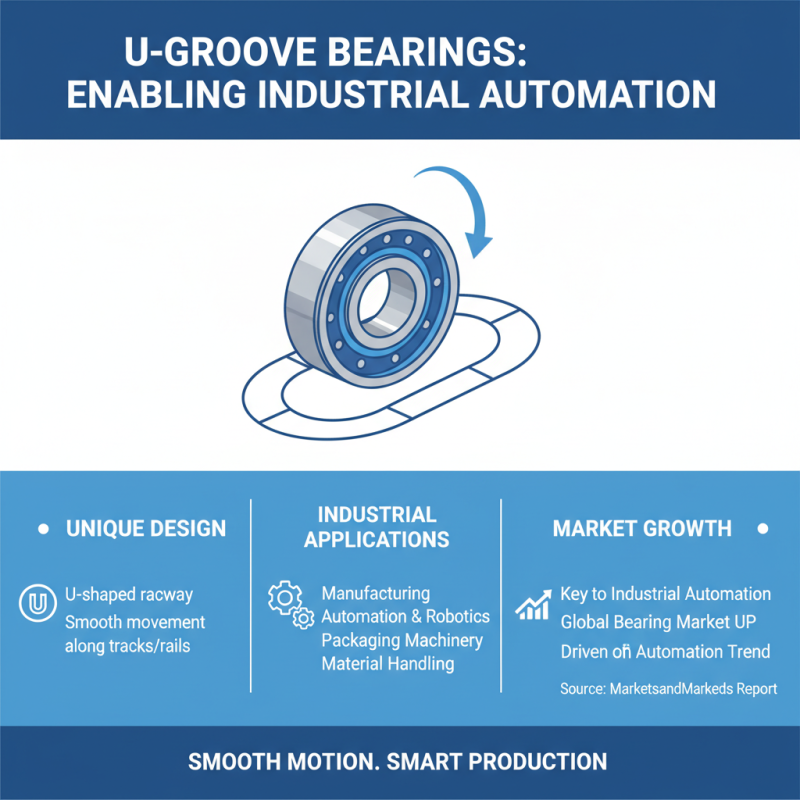
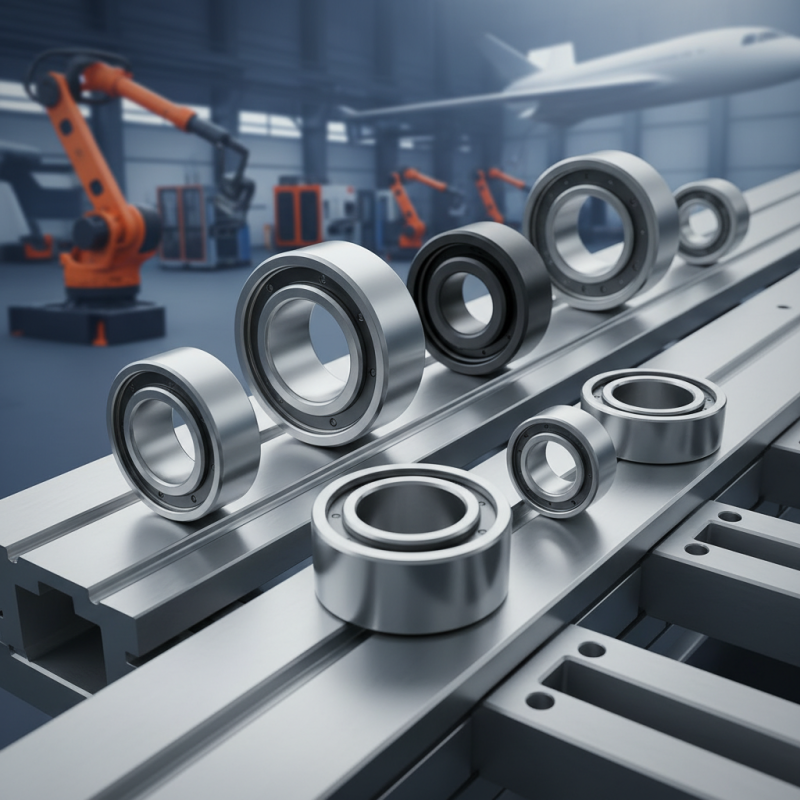
U groove bearings are essential components in many applications. These bearings feature a unique U-shaped groove, allowing easy movement along tracks or rails. This design minimizes friction and enhances efficiency. They are commonly used in conveyor systems, robotics, and machinery where linear motion is crucial.
One key feature of U groove bearings is their ability to handle both radial and axial loads. This flexibility makes them suitable for various environments and conditions. However, selecting the right type often requires careful consideration of the specific application. Many overlook the importance of load capacity and operational speed while choosing these bearings.
Additionally, maintenance plays a significant role in the performance of U groove bearings. Regular checks can prevent unexpected failures. Dirt and debris can accumulate, affecting movement. Users sometimes forget about lubrication, which is vital for the longevity of the bearing. Conducting routine inspections ensures long-term effectiveness and reliability.
Types of U Groove Bearings: Distinguishing Characteristics
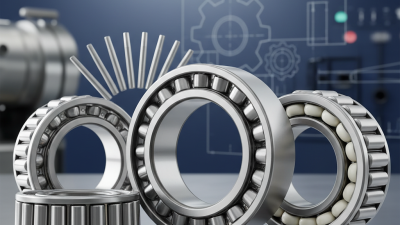
U groove bearings come in various types, each with unique characteristics that suit different applications. The most common types include deep groove, angular contact, and thrust bearings. Deep groove bearings are versatile and capable of handling radial and axial loads effectively. In contrast, angular contact bearings are designed for high-speed operations and offer better support for combined loads. Reports indicate that the global bearing market is expected to reach $116 billion by 2025, driven significantly by the demand for precision bearings.
When selecting a U groove bearing, understanding these characteristics is essential. Certain bearings excel in high-load capacities, while others offer enhanced speed capabilities. For instance, a bearing used in conveyor systems must withstand heavy loads and dust exposure, where a deep groove type may be preferred. Meanwhile, for robotics applications requiring quick, precise movements, angular contact bearings are more suitable.
However, the variety of choices can cause confusion. Not every application benefits from a high-performance bearing. In some cases, cost-effective solutions might be more appropriate, even if that means compromising on speed or load capacity. The challenge lies in making informed decisions that balance performance and budget. Data suggests that improper bearing selection can lead to reduced efficiency and increased maintenance costs, highlighting the need for careful evaluation.
The Ultimate Guide to U Groove Bearing Types and Their Applications
This chart illustrates the different types of U Groove bearings and their most common applications. Each type is represented along with its corresponding usage percentage in various industries.
Common Applications of U Groove Bearings in Various Industries
U groove bearings are widely used in many industries. Their unique design allows smooth movement along tracks or rails. This is crucial in manufacturing and automation sectors. According to a recent report by MarketsandMarkets, the bearing market is projected to grow significantly, driven by increased industrial automation. U groove bearings play a key role in this trend.
In the automotive industry, these bearings are vital for various applications. They are used in conveyor systems and guiding mechanisms. A study by IDTechEx highlights that automation in automotive manufacturing could increase by 25% in the next five years. This growth relies on efficient components like U groove bearings. However, some applications may experience wear over time, needing regular inspection.
In the robotics sector, U groove bearings aid in motion control. They ensure precision and reliability in robotic arms. Data from ResearchAndMarkets indicates that the robotics market will surpass $200 billion by 2025. Yet, the challenge remains in selecting the right bearing for each specific task. Re-evaluating designs can often lead to improved performance and longevity. While U groove bearings offer efficiency, understanding their limitations is key.
Installation and Maintenance Tips for U Groove Bearings
U groove bearings are essential components in various applications. Proper installation is key to their performance. Start by ensuring the grooves align perfectly with the track. Misalignment can lead to premature wear. Always clean surfaces before installation. Dirt can cause friction and damage.
After setting up the bearings, regular maintenance is vital. Check for signs of wear or corrosion. Small issues can escalate quickly if ignored. Lubrication is important, but don’t overdo it. Too much grease can attract dust and dirt. A simple wipe down can go a long way.
Consider the environment where the bearings are used. High humidity or dust can affect performance. You might need to adjust your maintenance routine based on conditions. It's not just about installation; it's an ongoing process. Frequent inspections are a good practice, even if everything seems fine. Recognizing that perfection is unattainable is part of improvement. Every detail matters.
Advantages and Limitations of U Groove Bearings in Practical Use
U groove bearings are widely utilized in various applications, offering distinct advantages but also notable limitations. Their design, which consists of a U-shaped groove, allows for seamless movement along tracks. This facilitates easy and efficient linear motion. Many users appreciate their simplicity. They can be installed and maintained with relative ease, making them an attractive choice for quick setups.
However, the effectiveness of U groove bearings is not without its drawbacks. One concern is their load capacity. While they handle light to moderate loads well, heavy loads can lead to premature wear. Users often find themselves replacing these bearings more frequently than anticipated. Moreover, environmental factors like dust and moisture can impact their performance over time. Keeping them clean and adequately lubricated is essential, yet this requires dedicated effort.
In practical use, balancing these pros and cons remains a challenge. Users must consider specific operational conditions. Will the workload exceed the bearing's capacity? Are there elements in the environment that could shorten its lifespan? These questions are not trivial. Ultimately, users must reflect on their unique needs when deciding on U groove bearings.