China Best Auto Bearings for Global Buyers What to Choose?
In the competitive world of the automotive industry, selecting the right auto bearing is crucial. Auto bearings are essential for reducing friction and enabling smooth operation in vehicles. However, the variety of options available can be overwhelming. Buyers must consider several factors, including durability, performance, and compatibility with various car models.
China has emerged as a leading supplier of auto bearings, catering to global buyers. Many manufacturers showcase advanced technology in their production processes. However, not all products guarantee the best quality. As a buyer, understanding the nuances of auto bearings can prevent costly mistakes. A wise choice involves thorough research and a clear understanding of your vehicle's requirements.
It's essential to recognize the risks involved in buying from less-known suppliers. Some products may fall short of expectations, leading to performance issues. Therefore, establishing reliable sources is vital. Leveraging expertise and customer reviews can guide you toward the best options in China’s auto bearing market.
Understanding Auto Bearings and Their Importance in Vehicles
Auto bearings play a critical role in the functionality and performance of vehicles. They reduce friction between moving parts, ensuring smoother operations. According to data from the International Federation of Automotive Engineers, proper bearing function can improve vehicle efficiency by up to 15%. This demonstrates their significance in reducing energy consumption and enhancing performance.
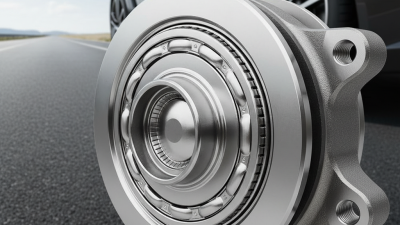
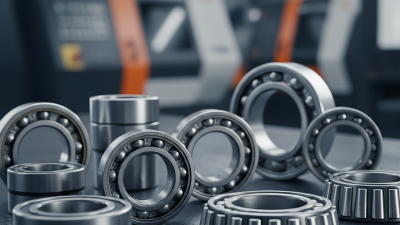
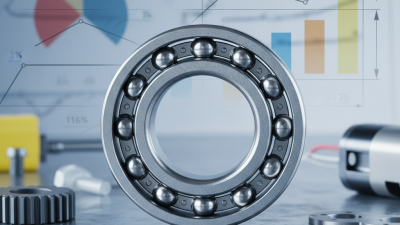
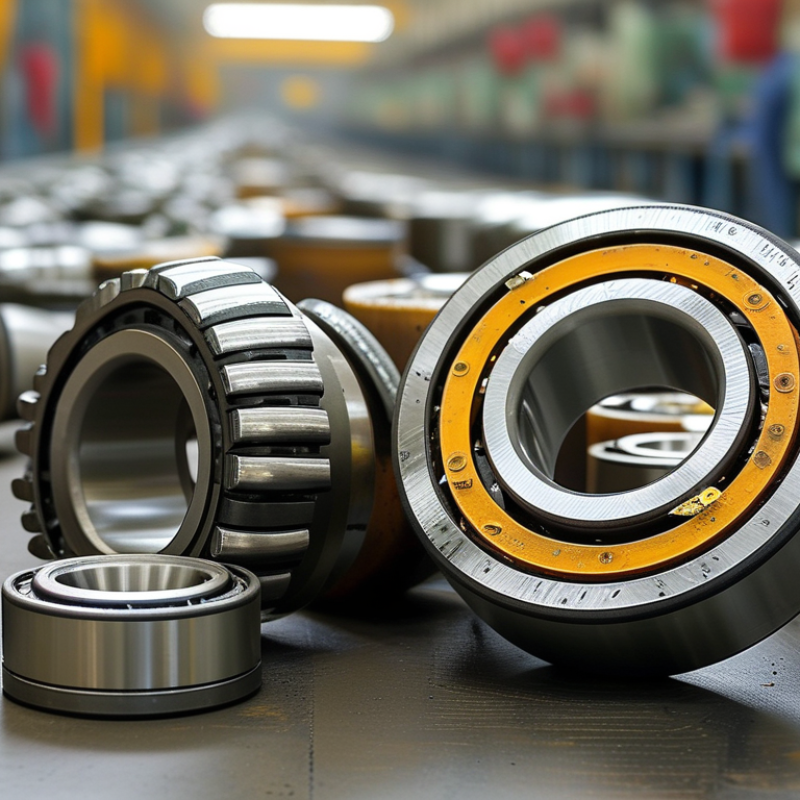
Different types of auto bearings exist, each designed for specific applications. For instance, deep groove ball bearings are widely used in automotive designs for their versatility. They can handle radial and axial loads, making them suitable for various components. However, not all bearings are created equal. The selection process can be complex and requires knowledge of specifications. A poorly chosen bearing can lead to costly failures and downtime, illustrating the importance of careful selection.
Maintenance is another key factor in bearing performance. Regular inspections can prevent premature wear and tear. A study from the Society of Automotive Engineers highlights that around 30% of bearing failures stem from inadequate maintenance. This statistic emphasizes the need for routine checks and skilled technicians who understand the intricacies of bearing systems. As buyers consider options, recognizing these factors will help make informed choices in the global market.
Top Features to Consider When Selecting Auto Bearings from China
When selecting auto bearings from China, several key features should guide your decision. Quality is paramount. Look for bearings made from high-grade materials. These materials ensure longevity and performance. Inspections and certifications from reputable sources can indicate reliability. Conduct research to verify these credentials.
Another essential feature is compatibility. It’s vital to ensure that the bearings match your vehicle's specifications. Misalignment can lead to premature wear and tear. Consulting with technical experts or manufacturers can help prevent costly mistakes. Sometimes, the specifications from manufacturers can be misleading, necessitating a careful review.
Finally, consider the warranty and customer support services provided. Quality bearings usually come with substantial warranties. This reflects the manufacturer's confidence in their product. Inquire about after-sales support as well. Clear communication and assistance can enhance your purchasing experience. Remember, investing time in your selection process can save future headaches.
Leading Chinese Manufacturers of Auto Bearings for Global Markets
In the realm of automotive manufacturing, China stands as a significant player. Leading manufacturers cater to global markets with high-quality auto bearings. These components are essential for vehicle longevity and performance. When choosing auto bearings, one must consider key factors such as material, design, and application.
Crafted with precision, top Chinese manufacturers utilize advanced technology. Their products often meet international standards. Buyers should look for manufacturers that emphasize quality assurance and testing. Reliability is crucial, especially in the automotive sector. However, potential buyers must reflect on the diversity of options available. Not every bearing is suitable for every vehicle type.
Tips for selecting auto bearings: examine specifications carefully. Look for features relevant to your needs. Compare prices, but don’t sacrifice quality for savings. Ensure that the manufacturer provides clear documentation. Transparency is essential in selecting suitable parts. Trust is built through consistent quality and performance.
Comparative Analysis of Auto Bearings: Quality vs. Cost
When selecting auto bearings, buyers often face a dilemma between quality and cost. According to the latest industry report from TechNavio, the global automotive bearing market is projected to reach $15 billion by 2025, driven by the demand for high-quality bearings. Consumers must decide how much they are willing to invest in reliability. High-quality bearings can reduce friction and extend vehicle life, while cheaper options often lead to premature failures.
Tips: Always check for certifications. ISO and SAE standards indicate a level of quality assurance.
Balancing cost and quality is complex. Some auto bearings are inexpensive but may not withstand high loads. This can result in noise and increased wear. Conversely, premium bearings often employ advanced materials and manufacturing processes, which justify higher prices. Regular maintenance can also impact the longevity of lower-cost options.
Tips: Evaluate your driving conditions. If you drive in harsh environments, investing in quality bearings pays off.
Ultimately, buyers should scrutinize specifications. Researching expert reviews can lend insight. Consider life cycle costs instead of initial price. Making informed decisions ensures both performance and value in the long run.
Tips for Importing Auto Bearings from China to International Markets
When importing auto bearings from China, it’s essential to understand market demands and quality standards. The global auto bearings market is expected to reach a value of approximately $30 billion by 2025, reflecting a steady annual growth rate. Many international buyers seek high-quality bearings that meet rigorous industry specifications. However, navigating the import process can be challenging.
One important tip is to ensure that suppliers provide certifications and testing reports. Verifying these documents can help ensure the bearings meet the required standards. Regular quality checks during production can also mitigate risks of defects and improve overall satisfaction. Many buyers report issues with consistency in quality and delivery times, so attention to detail is crucial.
Another tip is to establish clear communication channels. Misunderstandings can lead to errors in orders. Clear specifications and expectations can save time and resources. Some importers overlook the significance of follow-up. Regular updates from the manufacturer are vital to stay on track with timelines. This proactive approach can help streamline operations.