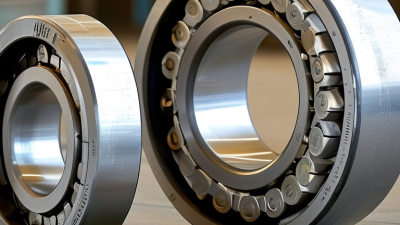
Choosing among China’s top Wheel Hub Bearing Assembly manufacturers requires more than comparing catalog prices. Buyers should examine machining consistency, sealing design, material traceability, testing procedures, and the supplier’s ability to support the intended vehicle platform. A polished product page is not proof of dependable production. Ask for clear specifications and evidence.
A Wheel Hub Bearing Assembly carries wheel loads while supporting smooth rotation, so small quality differences can matter. For this introduction, the expert voice is illustrative, not a verified quotation: wheel-end engineer Dr. Elena Park offers this practical viewpoint: “A bearing assembly earns trust through repeatable tests, not attractive claims.” That is a useful standard. Still, test results need context, including load conditions, temperature, and service expectations.
This overview will help readers assess Chinese manufacturers by product range, manufacturing capability, quality controls, customization, and communication. It will also distinguish established suppliers from companies whose public information is limited. No single factory is best for every buyer. A passenger-car program may prioritize quiet operation and long service life, while commercial applications may place greater emphasis on load capacity and durability. Compare like with like. Confirm fitment details, request current documentation, and discuss realistic lead times before shortlisting suppliers. Even careful research has limits; independent verification may reveal gaps that a brochure cannot.
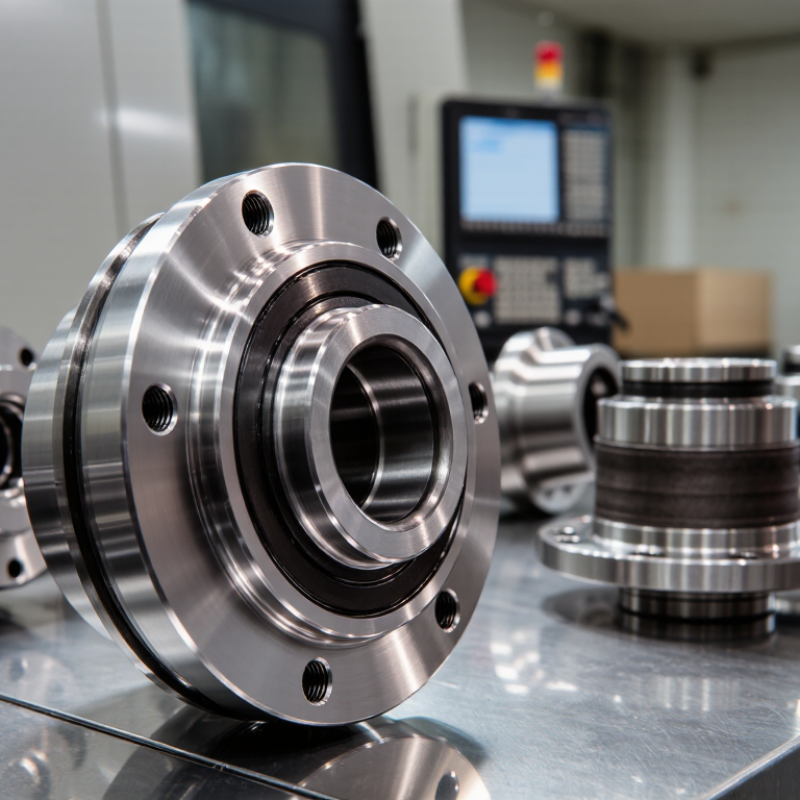
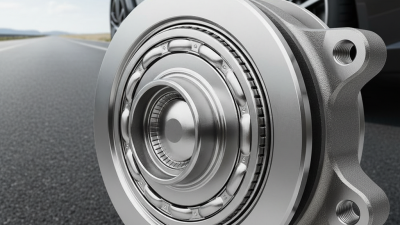
A wheel hub bearing assembly supports the vehicle’s wheel and allows it to rotate with minimal friction. It connects the wheel to the suspension or axle and carries vehicle weight, braking forces, and cornering loads. A small part, but a demanding job. Depending on the design, the assembly may include a hub flange, sealed bearing, and wheel-speed encoder. Some units are pressed into place; others bolt directly onto the vehicle.
The encoder can provide wheel-speed information for braking and stability systems, but not every assembly uses the same layout. Fitment matters. A part that looks identical may have different dimensions or sensor features. During installation, correct fastener torque and clean mounting surfaces help prevent damage. A humming noise or wheel play can suggest bearing wear, though other faults may produce similar signs.
For manufacturers, consistent steel quality, heat treatment, sealing, and dimensional control affect service life. Testing for noise, load capacity, and durability can reveal weaknesses before shipment. Buyers should check drawings, test records, and traceability rather than relying on appearance alone. Even careful testing cannot predict every road condition, so application details deserve a second look.
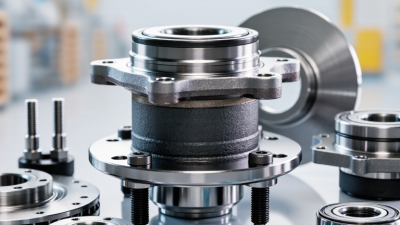
China’s wheel hub bearing manufacturing landscape is shaped by a large automotive base and increasingly demanding vehicle designs. The China Association of Automobile Manufacturers reported 30.16 million vehicles produced in 2023. The International Energy Agency’s Global EV Outlook 2024 estimated that China sold 8.1 million electric cars that year, around 60% of global sales. These figures show the scale of the market, but they do not measure hub-bearing production directly.
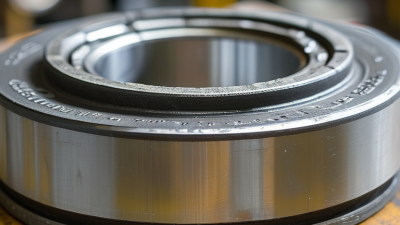
Manufacturing typically connects forging, heat treatment, precision grinding, sealing, and final assembly. On a shop floor, small differences in raceway finish or grease fill can affect noise, durability, and performance under load.
Small details matter.
Electric vehicles also bring different engineering demands, including higher vehicle mass and sensitivity to rolling noise. Still, these trends should not be treated as proof that every supplier has the same technical capability.
A useful assessment looks beyond output volume. Buyers can examine dimensional inspection records, endurance-test methods, process traceability, and consistency between production batches. Public industry data rarely separates wheel hub bearings from other bearing categories, so comparisons need care. That reporting gap is worth acknowledging. The landscape is broad, but detailed, independently comparable evidence remains uneven.
Chinese wheel hub bearing assembly manufacturers often stand out through focused production capabilities. Some specialize in forged flanges and precision-machined components. Others handle the full process, from heat treatment to final assembly. The distinction matters. Integrated production can improve process control, but it does not guarantee consistent quality.
A strong manufacturer profile should show more than a modern factory floor. Look for documented inspection steps, batch traceability, and clear test methods for noise, vibration, and dimensional accuracy. Ask how the supplier controls bearing preload and protects assemblies from contamination. Small details matter. A clean assembly area and sealed packaging can help prevent damage before installation.
Some suppliers focus on high-volume standard applications, while others offer engineering support for varied vehicle requirements. Their experience may include tooling development, sample testing, and production adjustments. Still, a polished catalog is not proof of performance. Request relevant test records and confirm that samples match the stated production process. This takes extra time, and supplier descriptions can be imperfect, but direct verification gives buyers a more reliable basis for comparison.
Compare manufacturers through production evidence, not catalog claims. Ask for process flow, control plans, and traceable inspection records. Can the supplier show bearing steel certificates, heat-treatment results, and hardness readings by production lot? Request actual measurements for flange runout, rotational torque, noise, and seal fit. ISO 492:2023 specifies dimensional tolerance requirements for radial bearings, giving buyers a common basis for checking drawings and inspection results. A neat sample is not enough. Check repeatability across several lots.
Review test methods alongside the numbers. ISO 281:2007 defines basic rating life L10 as the life that 90% of a group of identical bearings are expected to reach or exceed under stated conditions. It is a calculated benchmark, not a mileage guarantee. Ask suppliers to disclose load, lubrication, and operating assumptions behind their life estimates. Also compare fatigue, contamination, and temperature test procedures. Small details matter. I would still question a polished report if it omits failed samples or retest rules; that gap can make two suppliers’ results look more comparable than they are. Request corrective-action records and verify that inspection equipment is calibrated.
China’s wheel hub bearing assembly manufacturers serve passenger cars, light trucks, and off-highway equipment. Buyers should evaluate more than catalog dimensions. Strong quality control starts with steel traceability, controlled heat treatment, and measured raceway geometry. End-of-line checks may cover rotational torque, seal seating, runout, and sensor signals. Ask suppliers for test methods and batch records, not just certificates. Quality-system certification provides a useful baseline, but each application needs its own validation.
Vehicle use shapes the specification. A delivery van making frequent stops places different demands on a bearing than a highway car. Load, speed, road splash, and brake heat all affect durability. Assemblies with integrated wheel-speed sensors also need reliable signal checks. Electrification is encouraging interest in lower noise and weight, while connected systems bring tighter sensor requirements. More features are not always better. A complex design can add cost without improving service life, and that trade-off deserves review.