How to Choose the Best U Groove Roller Bearing for Your Needs?
Choosing the right U Groove Roller Bearing can significantly impact machinery performance. According to a recent industry report by the Bearing Industry Association, improper bearing selection can lead to increased wear and tear, which affects overall efficiency.
Expert David Thompson states, “Understanding the application is crucial for optimal performance of U Groove Roller Bearings.” His insight emphasizes the importance of considering specific operational conditions before making a purchase. The variety of designs and materials available makes this choice complex.
When assessing your options, think about load capacity, operational speed, and environment. A well-chosen U Groove Roller Bearing can enhance machinery longevity and reduce downtime. However, many users still struggle with making an informed decision. Reflecting on your choices can prevent costly mistakes and improve functionality in the long run.
Understanding U Groove Roller Bearing: Definition and Purpose
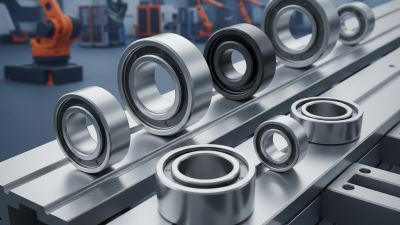
U groove roller bearings are essential components in various machinery and equipment. They are designed to accommodate radial loads and facilitate smooth movement along tracks. Understanding their definition and purpose is crucial for making informed choices. These bearings consist of an inner and outer raceway, allowing them to handle load conditions effectively.
The primary function of U groove roller bearings is to enable smooth and efficient motion. They are often used in applications requiring precise alignment and stability. Their unique design allows them to handle both vertical and horizontal loads, making them versatile in machinery like conveyor systems and sliding doors. Choosing the right U groove roller bearing involves considering load capacity and environmental factors.
Maintenance is another important aspect. Regular inspections can help detect wear or damage early. It’s vital to reassess selection criteria as working conditions change. Sometimes, users overlook proper lubrication, which can lead to premature failure. A detailed understanding of U groove roller bearings aids in choosing the best option tailored to specific needs.
Key Factors to Consider When Selecting U Groove Roller Bearings
When selecting U groove roller bearings, understanding your specific application is crucial. Consider the load capacity. Bearings must support both radial and axial loads effectively. The material of the bearings also plays a vital role. Steel and ceramic are common choices, each offering distinct advantages in durability and performance.
Another factor is the groove profile. The correct U groove shape ensures smooth movement and minimizes friction. A poorly chosen groove can lead to premature wear. Additionally, think about the operating environment. High temperatures or exposure to moisture can affect bearing life. It’s important to choose bearings designed for your conditions.
Don't overlook maintenance requirements. Some bearings may need regular lubrication or replacement. Be aware that cost is often a reflection of quality and longevity. Cheaper options might save money upfront but can lead to higher operational costs later. Always weigh the immediate savings against long-term reliability to make a thoughtful choice.
Materials and Design Features of U Groove Roller Bearings
When selecting U groove roller bearings, materials and design features are crucial factors. High-quality bearings typically use
steel or stainless steel due to their strength and resistance to wear. According to
industry reports, the frictional characteristics of these materials can enhance performance, especially in high-load applications. A study revealed that
stainless steel bearings reduce corrosion, making them suitable for environments with moisture or chemicals.
Design features such as the U-shaped groove profile impact load distribution and alignment. Bearings with deeper grooves can accommodate
misalignment better. Data indicates that a properly designed groove can lead to a 20% increase in load capacity
compared to standard profiles. Additionally, ensure to assess the precision of the bearing; tighter tolerances can significantly improve performance and durability.
While considering these elements, it's essential to reflect on the trade-offs involved. A higher-quality bearing often comes at an increased cost, and this might
not be justified for less demanding applications. Therefore, understanding the specific working conditions and load requirements is vital. This ensures the
U groove roller bearings chosen are not only effective but also cost-efficient.
Applications and Industries Utilizing U Groove Roller Bearings
U groove roller bearings are crucial in various industries. They excel in applications requiring smooth motion and precise alignment. Commonly found in conveyor systems, they support heavy loads while minimizing wear. Their design allows for easy installation and efficient operation, making them a go-to choice for manufacturing sectors.
In the automotive industry, U groove roller bearings play a vital role in sliding mechanisms. They ensure parts move seamlessly, enhancing overall performance. Additionally, they are used in robotics, where precision matters. The dynamic movement requires reliable bearings that can endure constant usage. This results in less downtime and better productivity.
Different environments present challenges. For instance, exposure to dust and debris may affect performance. Users must regularly inspect and maintain their bearings to prevent failures. Finding the right fit is pivotal. Measurements and load capacities must align with specific applications. Neglecting these details can lead to inefficiencies or even catastrophic breakdowns.
Maintenance Tips for Ensuring Longevity of U Groove Roller Bearings
U groove roller bearings are essential in various machines and applications, but their longevity hinges on proper maintenance. Regular inspections are crucial. Look for signs of wear, such as unusual noises or vibrations. These can indicate potential failures. Clean the bearings frequently to prevent dirt buildup. Dust and grime significantly shorten their lifespan.
Lubrication is key. Use the right type of lubricant based on manufacturer guidelines. Over-lubrication can be as damaging as under-lubrication. Monitor the lubrication levels consistently, adjusting as needed. Check for corrosion or rust, especially in humid environments. If corrosion appears, immediate action is vital to prevent further damage.
Pay attention to installation procedures. Incorrect installation can lead to premature wear. Ensure proper alignment and fit during setup. It’s crucial. You might need to revisit your installation methods if issues arise. Lastly, document maintenance activities to track performance. Keeping a record aids in identifying patterns and improving future maintenance efforts.
U Groove Roller Bearing Performance Metrics