How to Choose the Best Steel Ball Bearings for Your Needs?
Choosing the right steel ball bearings for your project can greatly impact performance and durability. Steel ball bearings play a vital role in reducing friction and supporting loads. Their applications are diverse, from automotive to industrial machinery.
When selecting steel ball bearings, consider your specific needs. Not all bearings are created equal. Factors such as size, load capacity, and environment can affect performance. For instance, a bearing used in a high-speed motor demands different specifications than one in a conveyor system.
It can be challenging to navigate the options available. Many factors may lead to confusion. Research is essential, as not every bearing will meet your requirements. Consulting experts or manufacturers can provide insights that improve your choice. Understanding these details is crucial for long-term success.
Understanding the Different Types of Steel Ball Bearings Available
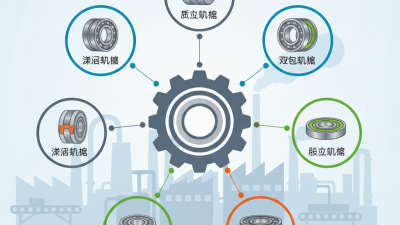
When selecting steel ball bearings, it's vital to understand the different types available. Each type serves unique purposes. There are deep groove bearings, angular contact bearings, and thrust bearings. Deep groove bearings are versatile and common, ideal for high-speed applications. Angular contact bearings handle axial loads well, making them suitable for high precision uses. Thrust bearings facilitate heavy loads in rotary applications.
Choosing the right type can be tricky. Factors like load capacity, speed, and environment play a role. Consider the operating temperature and whether exposure to moisture is a concern. Tips for selection include looking for specifications that meet your application needs. Avoid making decisions based solely on price. Reliability is crucial.
Don’t forget to evaluate the lubrication needs as well. Proper lubrication extends bearing life. Maintenance will vary depending on the bearing type. Regular checks can prevent unplanned downtime. Reflect on past experiences with different bearings. Learning from both successes and failures can guide better choices in the future.
Comparison of Different Types of Steel Ball Bearings
Key Factors to Consider When Selecting Steel Ball Bearings
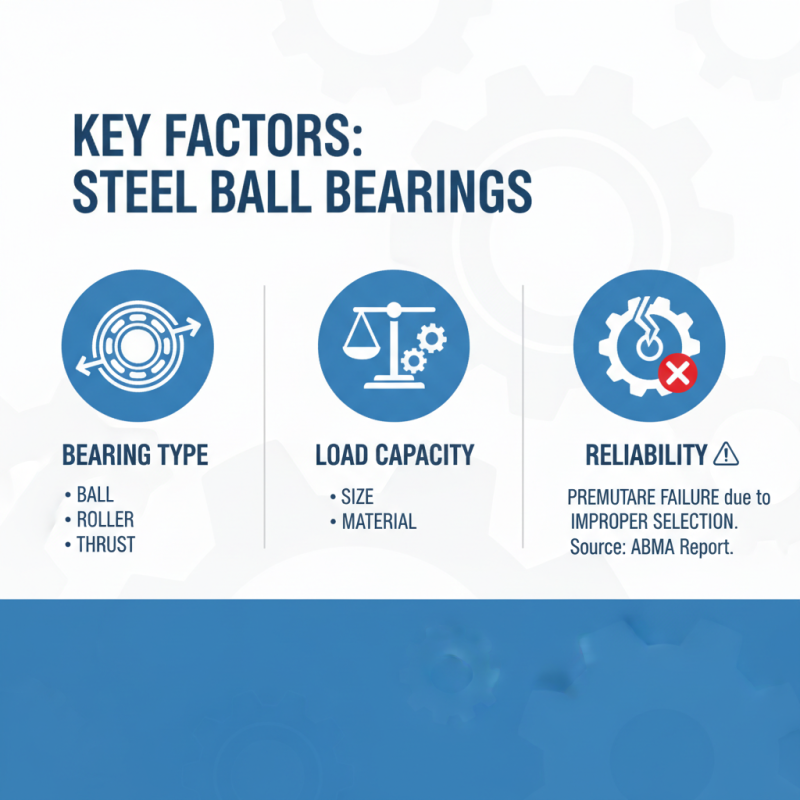
When selecting steel ball bearings, several key factors need attention. The type of bearing often influences its performance. Consider the load capacity, which varies based on size and material quality. A report by the American Bearing Manufacturers Association states that improper bearing selection can lead to premature failures, costing industries millions annually.
Another factor is the operating environment. Conditions such as temperature, moisture, and dust exposure can greatly affect bearing lifespan. Bearings designed for high-load applications may not perform well in corrosive environments. Selecting the right seal type can mitigate these risks.
Tip: Always refer to the load ratings detailed in technical sheets. An understanding of dynamic and static loads is vital. Remember, the right choice can enhance reliability.
Lastly, don't overlook the lubricant used. It impacts friction levels and heat generation. A study indicates that around 60% of bearing failures are due to lubrication issues. Prioritize quality lubricants to improve longevity.
Tip: Regularly check and replace lubricants as part of maintenance. Neglecting this can lead to performance degradation. Always keep your operational conditions in mind.
Assessing Load Capacity and Performance Requirements
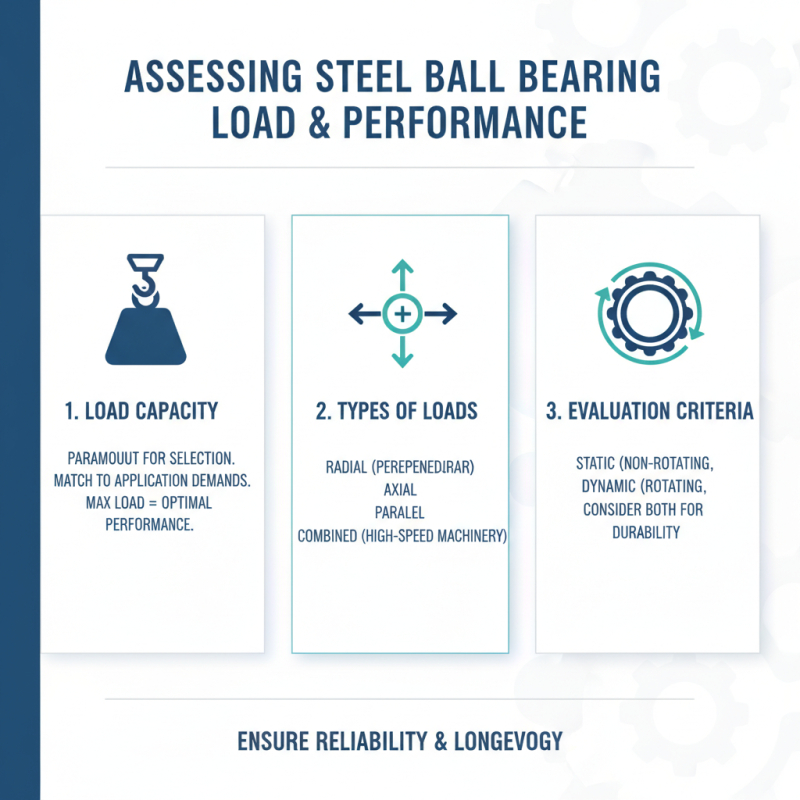
When selecting steel ball bearings, load capacity is paramount. Each application demands specific load ratings. Knowing the maximum load helps ensure optimal performance. For instance, high-speed machinery may require bearings that can handle significant radial and axial loads. Consider both the static and dynamic load capacities when evaluating options.
Tips: Analyze your application’s needs thoroughly. Identify factors like speed, direction of loads, and environmental conditions. This assessment will guide you to suitable bearings.
Performance requirements should also be considered. Vibrations, friction, and temperature can affect bearing life. Bearings need to function efficiently under various conditions. Poor choices can lead to premature failure.
Tips: Regularly perform maintenance checks. Look for signs of wear or rust. This can extend the life of your bearings and improve overall performance. Always reassess the bearing fit within your system. Adjustments may be necessary as conditions change.
Evaluating Material Quality and Durability of Bearings
When selecting steel ball bearings, material quality significantly impacts their performance and longevity. High-quality bearings typically use advanced steel alloys, which enhance strength and reduce wear. Look for specifications such as hardness ratings and tensile strength. These factors can determine how well the bearings perform under stress.
Durability is another critical aspect. Good bearings should withstand repeated mechanical loads and resist corrosion. Some factors can affect durability, like environmental conditions and lubrication quality. Consider the surrounding environment where the bearings will operate. Whether in a dusty factory or a moist area, the correct material can make a difference.
A common pitfall is assuming all steel bearings are equal. Variations in manufacturing processes can lead to inconsistencies. Inspecting certifications and testing results helps ensure reliability. Pay attention to the surface finish, as rough surfaces may lead to premature failure. Balancing these elements of quality and durability requires careful consideration but ultimately leads to better performance and longer-lasting products.
Comparing Cost and Brand Reputation in Bearing Selection
When selecting steel ball bearings, cost and brand reputation are critical factors. A lower price does not always indicate better value. Sometimes, cheaper options may lead to increased maintenance costs over time. It's essential to consider longevity and reliability. Investing in a well-regarded brand can often mean better quality assurance.
Brand reputation plays a significant role in bearing selection. Companies with strong reputations usually have extensive testing procedures. They prioritize quality and customer feedback. However, market trends can change, and a once-reputable brand might not maintain its standards. This unpredictability means conducting your research is essential. Compare user reviews and industry recommendations to get a clearer picture.
A balance between cost and quality is vital. Sometimes, investing more upfront saves money in the long run. Consider the specific requirements of your application. Factors such as load capacity and environmental conditions can impact performance. It’s worthwhile to seek advice from industry experts. Gathering diverse opinions can guide your decision-making process.
How to Choose the Best Steel Ball Bearings for Your Needs?
| Specification |
Material Quality |
Load Capacity (kg) |
Price Range ($) |
Brand Reputation (Rating out of 5) |
| 608ZZ |
Chrome Steel |
30 |
5 - 10 |
4.5 |
| 6201 |
Stainless Steel |
60 |
10 - 15 |
4.7 |
| 6004 |
Ceramic Hybrid |
80 |
20 - 30 |
4.8 |
| 6305 |
Carbon Steel |
100 |
15 - 25 |
4.6 |