Choosing Groove Ball Bearings in 2026 requires more than matching a shaft diameter with a catalogue number. Engineers must examine load direction, speed, temperature, lubrication, sealing, noise, and expected service life. A bearing that fits perfectly may still fail early in dusty, humid, or continuously vibrating equipment.
John R. Errichello, a recognized rolling-bearing engineer, has said, “A bearing is a system, not an isolated component.” That principle remains practical today. The raceway, balls, cage, lubricant, shaft, housing, and surrounding environment work together. Ignore one element, and performance can change quickly. A small misalignment may create a narrow wear track. Excessive grease may raise operating temperature. A poor seal may allow fine metal dust inside.
This guide explains how to compare Groove Ball Bearings for industrial machinery, electric motors, pumps, conveyors, and automation systems. It considers load ratings, clearance, precision classes, materials, seals, and lubrication options. It also addresses newer expectations, including energy efficiency, traceability, and predictive maintenance data.
Some choices remain imperfect. Manufacturer ratings depend on testing conditions, while real machines face shock, contamination, and installation errors. That gap matters. Buyers should verify calculations with operating measurements, not rely on catalogue figures alone. Listening to abnormal noise, checking temperature trends, and inspecting mounting surfaces can reveal problems early. The best selection balances technical performance, total cost, availability, and the consequences of failure.
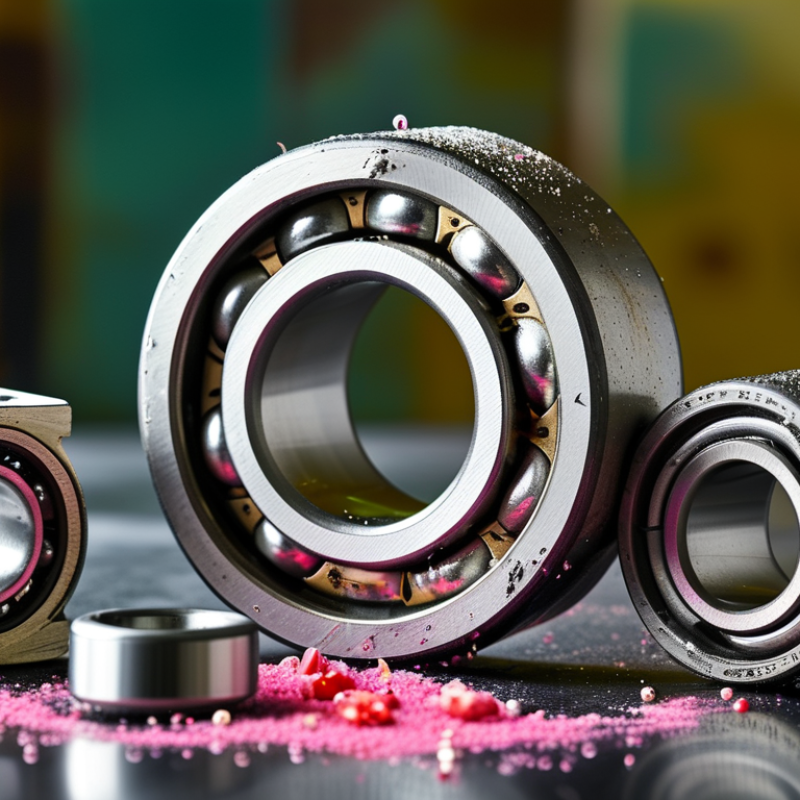
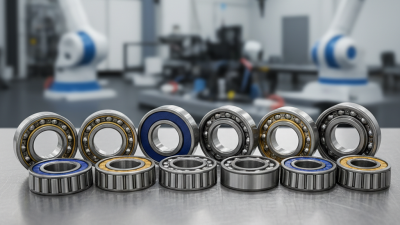
Understanding the bearing type is the first practical step. Single-row deep groove ball bearings suit ordinary radial loads and moderate axial loads. They are common in motors, conveyors, fans, and small pumps. Double-row designs offer greater radial capacity, but they need more installation space. Shielded bearings reduce dust entry while retaining serviceable lubrication. Sealed versions protect better in damp or dirty environments, although their seals may create additional friction.
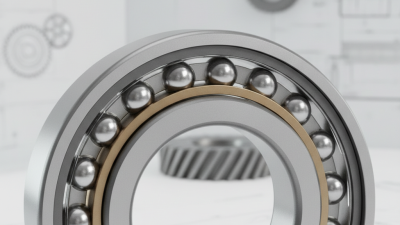
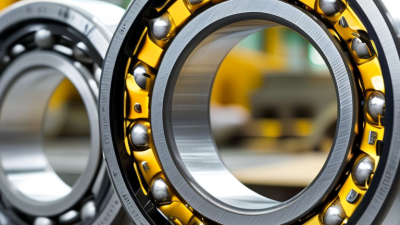
A groove ball bearing works through rolling contact. Hardened balls travel between inner and outer raceways. The raceway shape guides the balls and distributes the applied load. Radial loads act across the shaft. Axial loads act along it. Correct internal clearance allows thermal expansion during operation. Excessive clearance can cause vibration and noise. Insufficient clearance may create heat and early fatigue. Lubrication forms a thin film between contacting surfaces.
A common workshop mistake is choosing by shaft diameter alone. Load, speed, temperature, contamination, and mounting accuracy also matter. Measure the housing and shaft carefully. Listen for roughness after installation. Check operating temperature during the first hours. Yet field conditions are rarely perfect. Slight misalignment can shorten bearing life, even when calculations look correct. I would also question oversized bearings, because extra capacity does not always improve performance. Review load ratings, clearance values, seal design, and lubrication requirements before approval. Small details often decide whether the bearing runs quietly or fails prematurely.
How to Choose Groove Ball Bearings in 2026?
Identifying Load, Speed, and Motion Requirements
A reliable selection starts with the actual load, not the catalog name. Record radial and axial forces separately. Note shock loads, direction changes, and operating hours. A small conveyor may face heavy starts and stops. Static capacity matters when the shaft pauses under force. Dynamic capacity matters during continuous rotation. Use published ratings and verified calculation methods. Do not treat one peak value as the whole duty cycle.
Speed changes the decision. Check operating rpm, acceleration, heat, lubrication, and surrounding temperature. A bearing rated for high speed may still fail under poor lubrication. Listen for rising noise during a controlled test. Measure housing temperature after the system reaches steady operation. If heat keeps climbing, stop and investigate. Clearance, seal friction, and alignment may be involved. In my view, speed claims without test conditions are incomplete. They can look precise. They are not always useful.
Motion must be described precisely. Continuous rotation differs from slow oscillation. Frequent reversals can create false brinelling, especially with vibration and light loads. Axial movement may require a different arrangement or controlled internal clearance. Check shaft fit, housing tolerance, contamination, and mounting force. A clean installation often protects performance better than an oversized bearing. Leave a sensible margin, but avoid automatic oversizing. Larger units can increase friction and inertia. Recheck the choice against real duty data after installation. That step is easy to skip. It should not be.
How to Choose Groove Ball Bearings in 2026?
Selecting Materials, Seals, Clearances, and Lubrication
Material selection should follow the load, environment, and maintenance plan. Hardened bearing steel suits most clean, moderate-temperature machinery. Stainless steel helps resist moisture, washdown, and mild chemical exposure. Ceramic hybrid designs can reduce electrical damage and high-speed heat, but their higher cost needs a clear reason. I have seen stainless bearings chosen for heavy shock loads, where hardness mattered more than corrosion resistance. That choice failed early.
Seal design controls contamination and friction. Contact seals protect well against dust and water, especially near conveyors or outdoor equipment. Non-contact shields create less drag but offer weaker protection against fine particles. Check the seal temperature rating, not only its appearance. A seal may look robust and still harden beside a hot motor. Small details matter.
Internal clearance affects heat, noise, and operating life. Standard clearance works for many normal housings and temperatures. Increased clearance may suit interference fits, elevated temperatures, or high-speed shafts. Do not select increased clearance automatically. Excess clearance can raise vibration and reduce running accuracy. Lubrication deserves the same care. Use a grease with suitable base oil viscosity, temperature range, and load rating. Confirm compatibility before mixing greases. Too much grease can generate heat; too little invites wear. In one inspection, the bearing was blamed for noise, but an overfilled housing caused it. That mistake changed my maintenance checklist. Record operating temperature, speed, contamination, and relubrication intervals. Field evidence should guide the final specification.
How to Choose Groove Ball Bearings in 2026?
Matching Bearing Size, Accuracy, and Service Environment
Choosing a groove ball bearing starts with the shaft and housing, not the catalog number. Measure the shaft diameter, housing bore, and available width carefully. A 25 mm shaft may require a bearing with a different load rating than expected. Check radial loads, axial loads, speed, and operating temperature together.
Accuracy matters when vibration, noise, or positioning affects performance. Standard clearance suits many electric motors and conveyors. Tighter clearance can improve control, but it may increase heat during operation. For high-speed equipment, review tolerance class, internal clearance, and lubrication limits. More precision is not always better.
The service environment often decides the final design. Dust, water, chemicals, and frequent washing demand suitable seals and corrosion resistance. In a hot oven area, ordinary grease may lose stability. In a cold room, excessive grease can create starting resistance. Select the lubricant for the real temperature range, not the average room temperature.
I once focused too heavily on static load capacity. That shortcut failed. The bearing survived, but vibration increased after several weeks. Shaft misalignment and poor mounting were the real causes. Use clean tools, avoid striking the rolling rings, and confirm the fit with measured interference. Small installation errors can shorten service life dramatically. When conditions change, review the selection instead of assuming the original specification still works.
| Bearing Size Example | Bore d (mm) |
Outside Diameter D (mm) |
Width B (mm) |
Typical Load and Speed Profile | Recommended Accuracy Class | Internal Clearance | Sealing Configuration | Suitable Service Environment | Selection Notes |
|---|---|---|---|---|---|---|---|---|---|
| 6000 Series | 10 | 26 | 8 | Light radial loads; compact equipment; relatively high-speed operation. | ISO 492 Normal Use higher classes only when runout or vibration limits require them. |
CN Default for normal operating conditions. |
Open Shielded Contact sealed |
Clean, dry indoor equipment; small motors; instruments; light-duty mechanisms. | Choose the open version for externally supplied lubrication and the sealed version for reduced maintenance. |
| 6001 Series | 12 | 28 | 8 | Light to moderate radial loads with limited installation space. | ISO 492 Normal P6 for improved running accuracy. |
CN C3 when heat or interference fit increases operating clearance loss. |
2Z-style shields for low friction; 2RS-style seals for contamination protection. | Fans, small pumps, conveyors, office equipment, and general industrial machinery. | Confirm shaft and housing fits before selecting C3 clearance. |
| 6002 Series | 15 | 32 | 9 | Moderate radial loads; compact rotating assemblies. | Normal for general machinery; P6 for lower vibration. | CN for balanced temperature and fits; C3 for warmer housings or heavier interference fits. | Open, shielded, or contact sealed according to lubrication and contamination needs. | Electric motors, gear units, agricultural equipment, and material-handling systems. | Deep-groove geometry supports combined radial and moderate axial loads. |
| 6003 Series | 17 | 35 | 10 | Moderate radial loads and moderate axial loads in both directions. | Normal for most applications; P5 for precision spindles or reduced runout. | CN under normal temperatures; C3 where thermal expansion is significant. | Shielded for clean environments; sealed for dust or splash exposure. | Machine tools, pumps, compressors, and general production equipment. | Check shaft shoulder diameter and fillet radius against the bearing housing geometry. |
| 6004 Series | 20 | 42 | 12 | Moderate radial loads; greater section capacity than the smaller 6000-series sizes. | Normal for standard equipment; P6 when vibration control is important. | CN for ordinary fits; C3 for elevated temperatures or tight fits. | 2Z-style shields for low drag; 2RS-style seals for improved exclusion of contaminants. | Motors, rollers, pumps, fans, and enclosed industrial assemblies. | Sealed bearings generally have a lower permissible speed than equivalent open bearings; verify the supplier rating. |
| 6205 Series | 25 | 52 | 15 | Moderate to high radial loads with useful axial-load capability. | Normal for general machinery; P6 or P5 for demanding accuracy requirements. | CN for normal operating temperature; C3 when thermal expansion or heavy fits are expected. | Open for relubricated systems; sealed for maintenance-reduced installations. | Electric motors, pumps, gearboxes, conveyors, and industrial drive systems. | Use calculated bearing life, static safety factor, and limiting-speed data rather than size alone. |
| 6308 Series | 40 | 90 | 23 | High radial loads and moderate axial loads; robust section size. | Normal for heavy industrial equipment; higher classes only when specified by the system design. | CN for ordinary conditions; C3 or higher only after thermal and fit analysis. | Open for oil or grease circulation; sealed when contamination control is prioritized. | Heavy conveyors, industrial fans, pumps, gear drives, and large rotating assemblies. | Confirm shaft deflection, housing stiffness, mounting method, and required relubrication interval. |
| Precision Selection | Select the boundary size from the available envelope | Prioritize low vibration, low runout, stable positioning, or high-speed balance. | P6 Better dimensional and running accuracy than Normal class. P5 Higher precision for demanding applications. P4 Very high precision applications. |
Clearance must be selected together with shaft fit, housing fit, speed, and temperature. | Use non-contact shields where low friction is more important than maximum sealing. | Precision machinery, inspection equipment, high-speed rotating systems, and low-vibration assemblies. | ISO accuracy class does not increase load capacity; it controls dimensional and rotational accuracy. | ||
| Dust or Moisture Exposure | Use the required boundary dimensions from the shaft and housing design | Load and speed must be checked after considering seal friction and contamination. | Normal is often adequate if alignment and runout requirements are ordinary. | CN or C3 according to operating temperature and mounting fits. | Contact seals provide better contamination exclusion than shields but add friction and heat. | Outdoor equipment, washdown areas, dusty workshops, agricultural machinery, and conveyors. | Select corrosion-resistant materials or coatings when water, chemicals, or salt exposure exceeds ordinary conditions. | ||
| High-Temperature Service | Size must be verified after accounting for thermal growth and fit changes | Permissible speed and life may decrease as temperature rises. | Normal unless system runout requirements demand a higher class. | Consider C3 or a specially specified clearance only after thermal analysis; excessive clearance can increase vibration. | Use seals, cage materials, and lubricants rated for the actual continuous and peak temperatures. | Ovens, hot-air fans, thermal processing equipment, and high-temperature machinery. | Verify lubricant temperature rating, cage limitations, heat-treatment condition, and dimensional stability. | ||
Choosing a groove ball bearing in 2026 means comparing more than catalog load ratings. Installation needs often decide real cost. ISO 281:2007 calculates rating life from load and speed, but it cannot predict every contamination or mounting problem. A bearing with sufficient capacity may still fail after dusty assembly or an over-tight fit. Check shaft tolerance, housing condition, internal clearance, seals, and lubricant compatibility before ordering. Small details matter. A clean workbench and calibrated torque tool may prevent greater losses than a higher-priced bearing.
Quality should be verified through traceable material records, dimensional inspection, and controlled heat treatment. Ask for test documentation, not only a certificate. ISO 15243:2017 classifies fatigue, wear, corrosion, electrical damage, and handling marks. This helps maintenance teams identify the real failure mode. It exposes assumptions. Replacing a bearing without checking misalignment is expensive repetition, and I still see that shortcut in busy workshops.
Total operating cost includes purchase price, fitting labor, grease, energy, downtime, and disposal. The U.S. Department of Energy’s 2021 Motor Systems Market Assessment reports that motor-driven equipment uses about 69% of industrial electricity. Bearing friction is only one part of that demand, yet poor alignment and excessive preload can increase heat and energy consumption. Compare service hours, relubrication intervals, access time, and replacement risk. A basic temperature trend can reveal trouble early, although it is not a complete monitoring program. I would budget for measurement first, but production pressure often wins.