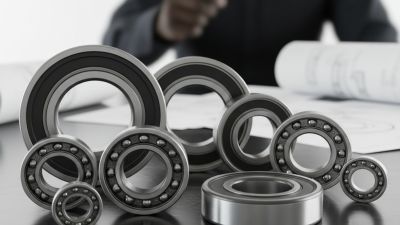
Best Groove Ball Bearings for Optimal Performance and Durability?
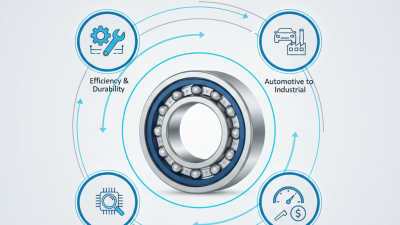
In the world of mechanical engineering, Groove Ball Bearings play a critical role in enhancing performance and durability. Industry expert Dr. Emily Harper, known for her innovative work in tribology, once said, “The right bearings can make all the difference in machinery efficiency.” This emphasizes the importance of selecting high-quality Groove Ball Bearings for optimal results.
These bearings are essential in various applications, including automotive, aerospace, and industrial machinery. They reduce friction and provide smooth operation, prolonging the lifespan of the equipment. However, not all Groove Ball Bearings are created equal. Variability in design and materials can impact their effectiveness. It’s crucial to conduct thorough research to find the best options tailored to specific needs.
Despite the advances in technology, some engineers still overlook the significance of proper selection. This often leads to mechanical failures or unexpected downtime. Reflecting on past experiences can help professionals make better decisions moving forward. Investing time in understanding Groove Ball Bearings can ultimately lead to superior performance and reliability in operations.
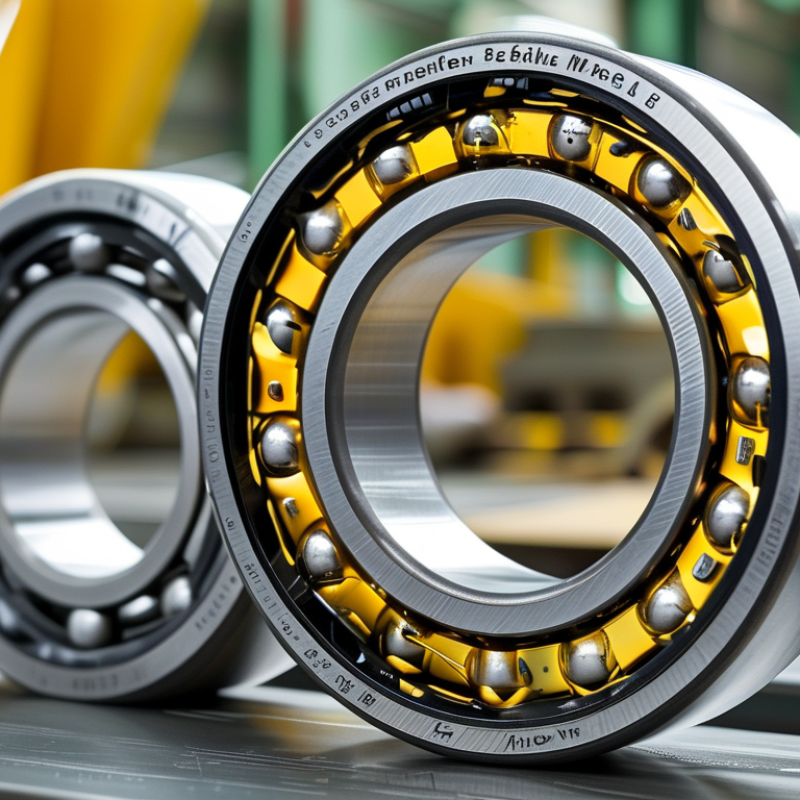
Understanding Groove Ball Bearings: Definition and Function
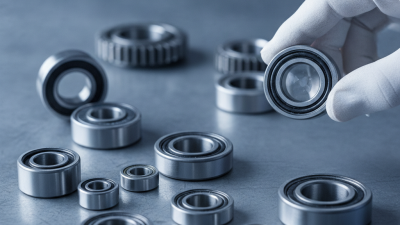
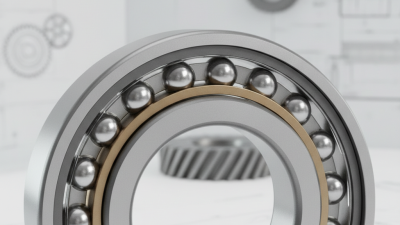
Groove ball bearings are critical components in various machines. They facilitate smooth movement by reducing friction between moving parts. These bearings consist of an inner and outer race, along with balls that roll in a groove. This design allows for efficient weight distribution and supports radial and axial loads.
In terms of functionality, groove ball bearings can operate at high speeds. They are versatile and commonly found in applications such as electric motors, skateboards, and bicycles. Their design allows for easy replacement, making maintenance straightforward. However, choosing the right type requires careful consideration. Not all bearings fit every application, and using the wrong type can lead to premature failure.
People often overlook the importance of lubrication. Insufficient lubrication leads to increased wear and tear. Additionally, environmental factors must be considered. Dust, moisture, and temperature can impact performance. Regular inspections are essential to ensure they are functioning properly. Effective use of groove ball bearings demands ongoing reflection and attention to detail.
Performance Comparison of Groove Ball Bearings
Key Factors to Consider for Optimal Performance in Groove Ball Bearings
When selecting groove ball bearings, several key factors impact their performance and durability. Material quality is crucial. High-grade steel or ceramic materials usually offer better resistance to wear and corrosion. This choice directly influences the lifespan of the bearings.
Another significant aspect is lubrication. Proper lubrication reduces friction and heat buildup. It contributes to smoother operation, minimizing the chances of premature failure. Over-lubricating can create unnecessary resistance, so finding the right balance is essential.
Tips: Be aware of the operating environment. Excessive dust or moisture can affect performance. Choose bearings designed for specific conditions. Regular maintenance is vital for longevity. Inspect bearings often to catch wear early. Remember, minor issues can lead to major failures down the line.
Top Brands and Models of Groove Ball Bearings for Durability
When it comes to groove ball bearings, choosing the right brand and model is crucial for performance. According to the International Bearing Association, approximately 30% of equipment failures are directly linked to bearing issues. This emphasizes the importance of selecting high-quality bearings that can endure stress and provide consistent operation.
Top manufacturers, often backed by extensive research, offer products designed for durability. For instance, bearings made from high-carbon chromium steel exhibit superior wear resistance. Industry reports suggest that these materials can extend service life by over 30%. Additionally, features like seals and shields improve performance in dirty or wet environments, crucial for various applications.
However, even the best products can face challenges. Improper installation or insufficient lubrication can lead to premature failure. A study highlighted that 28% of bearing failures result from human error. Regular maintenance and correct usage are essential to maximize bearing lifespan and reliability. Choosing the right groove ball bearing involves careful consideration of both material quality and operational conditions.
Installation and Maintenance Tips for Groove Ball Bearings
Installing groove ball bearings correctly is crucial.
Start by ensuring the housing and shaft are clean and free of debris. It’s essential to check alignment. Misalignment can lead to premature wear. Use appropriate tools, like a bearing puller, to avoid damage during installation. A gentle tap can help settle the bearing into place.
Maintenance is just as important. Regularly inspect your bearings for signs of wear or rust. Noise during operation may indicate issues. It's wise to lubricate bearings according to the manufacturer's specifications. Too much grease can cause overheating. On the other hand, too little can lead to friction.
Pay attention to the environment. High temperatures or humidity can shorten the lifespan of your bearings. Dust and debris should be kept at bay. Creating a clean operating space is ideal. Don’t ignore these details. Each step matters for performance and longevity. Neglecting any part may result in failure.
Comparative Analysis: Groove Ball Bearings vs. Other Bearing Types
When exploring bearing types, groove ball bearings stand out. Their design allows for smooth operation and reduced friction. This feature enhances their performance in various applications. In comparison, other bearing types like roller bearings may offer higher load capacity but often encounter more friction. Groove ball bearings balance load and speed well.
Durability is another critical point of consideration. Groove ball bearings typically endure wear and tear better in moderate load conditions. However, they may not perform as well under extreme stress compared to tapered bearings. This limitation can affect longevity and maintenance schedules. Users may find that while groove ball bearings are reliable, they require careful application assessment to maximize performance.
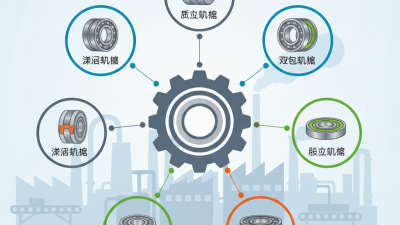
Another aspect of groove ball bearings is their versatility. They can be utilized across various industries, from automotive to robotics. While other bearings might excel in specialized situations, groove ball bearings provide a general solution. This adaptability can lead to mixed results. Finding the ideal fit is essential for optimal function and effectiveness. As users navigate options, thorough evaluation is necessary to ensure the best possible choice.