How to Choose the Right Standard Ball Bearing for Your Needs?
Selecting the right Standard Ball Bearing is crucial for various applications. Poor choices can lead to inefficiencies. Understanding the unique specifications is essential.
Standard Ball Bearings come in different sizes and materials. Each type has specific load capacities and speeds. Knowing these details will enhance performance and durability.
Consider the environment where the bearings will be used. Factors like temperature, moisture, and contamination can impact their lifespan. It’s important to assess these conditions carefully. Misjudgments here may lead to equipment failure. A thoughtful approach can lead to significant improvements.
Understanding the Basics of Standard Ball Bearings
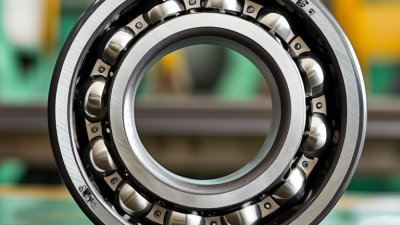
Understanding the basics of standard ball bearings is crucial for making informed decisions. Ball bearings are designed to reduce friction between moving parts. They consist of balls placed between inner and outer rings. This design allows for smoother rotation and reduced wear. In industrial applications, the right bearing choice can enhance machinery lifespan significantly.
According to industry reports, approximately 30% of machinery failures are attributed to bearing issues. Selecting the correct type and size can mitigate this risk. For example, bearings are categorized by load capacity, size, and material. A deeper understanding of these factors helps tailor your selection. Consider the operating environment, too. High temperatures or corrosive substances can impact bearing performance. Environmental stressors cannot be overlooked.
One common pitfall is ignoring lubrication needs. Proper lubrication can extend a bearing's life by 50%. However, over-lubrication can lead to overheating and failure. Thus, evaluating your specific use case is essential. Sometimes, the best choice might not be the most expensive option—value lies in matching the bearing to its application effectively.
How to Choose the Right Standard Ball Bearing for Your Needs?
| Bearing Type |
Load Capacity (kg) |
Inner Diameter (mm) |
Outer Diameter (mm) |
Width (mm) |
Material |
Max RPM |
| Deep Groove Ball Bearing |
2500 |
10 |
30 |
9 |
Steel |
15000 |
| Angular Contact Ball Bearing |
3000 |
15 |
35 |
11 |
Stainless Steel |
12000 |
| Self-Aligning Ball Bearing |
2000 |
12 |
28 |
8 |
Bronze |
9000 |
| Thrust Ball Bearing |
1500 |
20 |
40 |
12 |
Plastic |
5000 |
Identifying Your Application Requirements
When selecting a standard ball bearing, understanding your application requirements is crucial. Start by assessing the load capacity needed for your operations. Different applications may demand higher load limits or specific dimensions. This can influence the choice of ball bearing type significantly. Measure the space available for installation accurately. A mismatch in size can lead to operational inefficiencies or even damage.
Next, consider the environmental factors that may affect the bearing's performance. If it operates in high temperatures or exposure to moisture, you'll need bearings designed to withstand such conditions. These will require additional materials or coatings for protection. Think through the speed at which the bearing will rotate, as this can significantly impact its lifespan and efficiency. Both raceway design and ball size can influence how well a bearing can handle increased speeds.
Reflecting on your findings can lead to deeper insights. Assessing all parameters comprehensively can sometimes reveal unexpected challenges. Common issues can stem from oversights in load requirements or environmental conditions. Aim for an iterative process, revisiting your application needs frequently to ensure the bearing selected truly meets your operational demands. Understanding these nuances is key to selecting the right ball bearing for your specific needs.
Evaluating Bearing Specifications and Materials
When selecting the right standard ball bearing, it's crucial to evaluate bearing specifications and materials. Consider the load capacity. Different applications exert various loads. Ensure the bearing can handle both static and dynamic loads effectively. Materials such as steel, ceramic, and plastic influence performance and longevity. Steel bearings are durable but may rust. Ceramic options resist corrosion but can be brittle.
Compatibility with operating conditions is vital. High temperatures may affect certain materials. Vibration and shock loading can also impact performance. Choose a bearing that suits your application’s specific environment. Examine lubrication requirements too. Greased or sealed bearings often require less maintenance. Decide based on how much care you can provide.
When in doubt, consult experts. Understanding material characteristics can prevent future issues. Gather feedback from reliable sources in your field. Learn from their experiences, as trial and error can be enlightening. Don’t overlook the importance of precision in installation, as misalignment can lead to premature failure. Making informed choices ensures a smoother operation and enhances equipment life.
Comparing Load Ratings and Speed Considerations
When selecting a standard ball bearing, considering load ratings and speed is crucial. Load ratings indicate how much weight the bearing can support. They are expressed in terms of dynamic and static loads. Dynamic load ratings apply when a bearing is in motion. Static ratings apply when it is stationary. Balancing these two factors helps ensure optimal performance.
Speed considerations often go hand in hand with load ratings. Bearings have a maximum RPM, which is essential for high-speed applications. Exceeding this limit can lead to overheating. This overheating can damage the bearing over time. It’s important to analyze the operating conditions. Ambient temperature and lubrication affect the bearing's overall performance and lifespan.
Different applications might not require optimal specifications. Sometimes, users prioritize cost-effectiveness over top-tier performance. Choosing a bearing solely based on cost can lead to premature failures. It's beneficial to consult with experienced professionals when making these decisions. Their insights can help tailor choices to specific needs.
Load Ratings and Speed Considerations for Standard Ball Bearings
Selecting a Reliable Supplier and Manufacturer
Selecting a reliable supplier and manufacturer for standard ball bearings is crucial. Quality and performance directly impact machinery longevity. Research indicates that over 30% of bearing failures are due to poor supplier quality. Therefore, it’s essential to choose suppliers with proven track records.
Look for suppliers with certifications. ISO 9001 is a hallmark of quality management. It's a good signal that the manufacturer follows strict quality control processes. Additionally, reviewing their past projects and customer feedback can provide insight into their reliability. Many industry experts recommend asking for samples before committing to a larger order.
When evaluating manufacturers, consider their production capabilities and technologies. Are they using advanced machinery? Do they maintain up-to-date facilities? These factors significantly influence the quality of the bearings produced. The right supplier should be transparent about their processes and willing to share data on material sources and testing methods.
Keep in mind that not every supplier will meet your exact needs. It may take time to find a perfect match. Don't hesitate to reach out for quotes and ask specific questions. Trust your instincts, and prioritize quality over cost in your decision-making process.