What is a Tapered Roller Bearing and its Benefits for Buyers?
In the world of mechanical engineering, Tapered Roller Bearings play a crucial role. These bearings are designed to support both axial and radial loads. Known for their ability to handle heavy loads, they are widely used in various industries. John Smith, a renowned expert in bearing technology, once stated, "Tapered Roller Bearings provide astonishing stability under enormous stress."
When considering Tapered Roller Bearings, it’s essential to understand their benefits. They feature a conical shape that allows for effective load distribution. This shape also helps in reducing friction during operation. Furthermore, these bearings offer longer service life, which can be a significant advantage for buyers. However, potential users must reflect on their specific application needs. Each machine’s requirements vary, and what works for one may not suit another.
Choosing the right Tapered Roller Bearing is not always straightforward. Buyers should evaluate factors such as load capacity, speed ratings, and operating conditions. Expert recommendations can provide valuable insights. Still, it is vital for buyers to conduct their own due diligence. Overall, Tapered Roller Bearings represent a reliable investment for many engineering applications.
Understanding Tapered Roller Bearings: Definition and Design Features
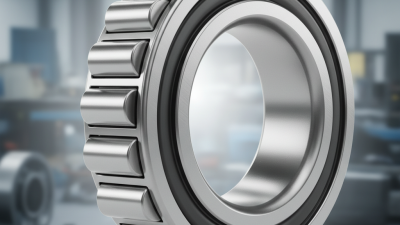
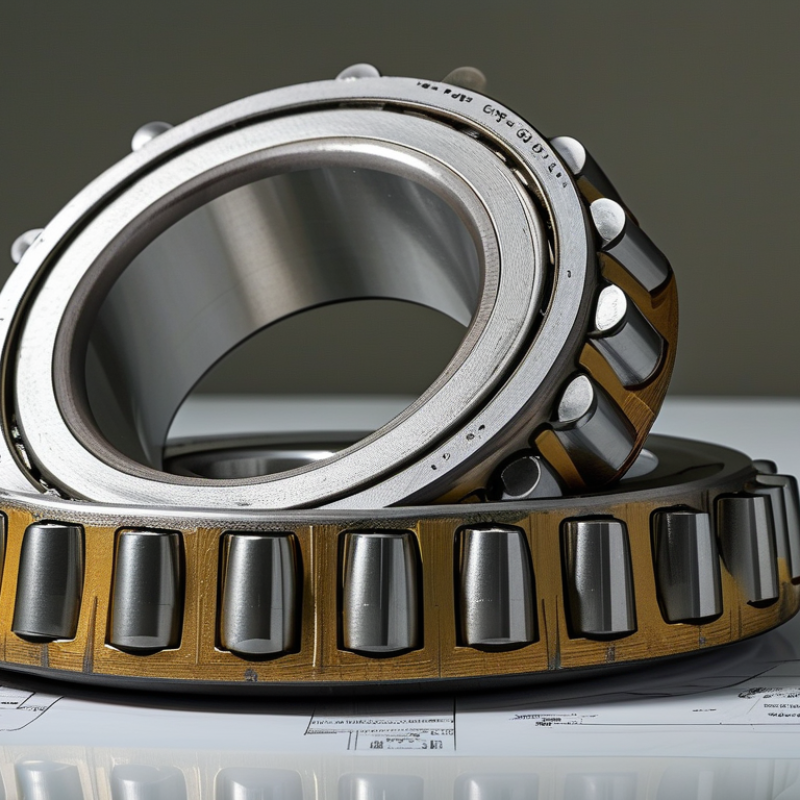
Tapered roller bearings are engineered to handle both radial and axial loads. Their unique design features a conical shape, allowing for efficient load distribution. This design also simplifies alignment within machinery. According to a 2022 industry report, these bearings can increase equipment life by up to 30%, reducing replacement costs over time.
Constructed from high-grade steel, tapered roller bearings provide excellent durability and reliability. They can withstand extreme temperatures and heavy loads, making them suitable for various applications. The versatility of these bearings plays a crucial role in industries like automotive and manufacturing, which rely on high-performance components.
Despite their advantages, buyers should consider potential drawbacks. For instance, improper installation can lead to premature failure. Moreover, the initial cost may be higher than other bearing types. It is essential to weigh these factors when selecting tapered roller bearings. Understanding their design and benefits can lead to informed purchasing decisions.
The Structure of Tapered Roller Bearings: Components and Assembly
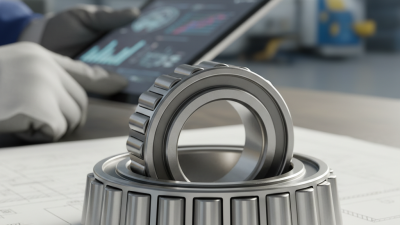
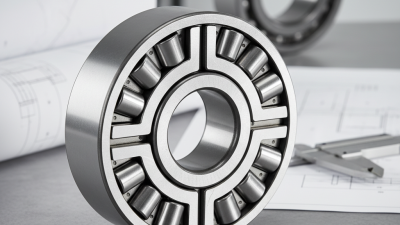
Tapered roller bearings are essential in many industries. Their structure consists of several critical components, each serving a specific purpose. A tapered roller bearing includes an inner ring, an outer ring, and tapered rollers. The design allows for axial and radial loads, making them versatile.
One notable feature is the contact angle. It enables the bearing to support heavier loads while minimizing friction. Research indicates that tapered roller bearings can improve machine performance by up to 30%. This is significant for companies focused on operational efficiency. Assembly is crucial, as the angles must align precisely for optimal function. Misalignment can lead to increased wear and reduced lifespan of the bearing.
Understanding these components helps buyers make informed decisions. A well-assembled bearing can last longer under stress. This is vital for maintenance planning. However, many overlook proper installation. They may assume a generic setup will suffice. With an estimated 80% of bearing failures attributed to installation errors, proper training is essential. This reflects the importance of expertise in ensuring long-term performance.
What is a Tapered Roller Bearing and its Benefits for Buyers?
| Component |
Description |
Function |
Benefits |
| Outer Ring |
The outer part of the bearing that houses the rolling elements and inner ring. |
Supports the rolling elements and maintains the assembly’s structure. |
Ensures durability and stability of the bearing under load. |
| Inner Ring |
The inner part which fits on the shaft. |
Defines the rotation axis of the system. |
Facilitates smooth rotation and reduces friction. |
| Rolling Elements |
Conical-shaped elements that roll between the inner and outer rings. |
Reduces friction by rolling rather than sliding. |
Enhances efficiency and reduces wear and tear. |
| Cage |
A structure that keeps the rolling elements properly spaced and aligned. |
Prevents rolling elements from contacting each other. |
Increases lifespan by minimizing friction and wear on components. |
| Seal |
Protection mechanism against dirt and moisture. |
Keeps lubricant inside and contaminants outside. |
Enhances reliability and performance in harsh environments. |
Benefits of Tapered Roller Bearings for Various Applications
Tapered roller bearings are essential components in various machinery and vehicles. They have a unique design that allows them to handle heavy loads and high speeds. These bearings are widely used in applications like automotive, construction, and agriculture. Their ability to support axial and radial loads makes them versatile.
One significant benefit of tapered roller bearings is their high load-carrying capacity. According to industry reports, they can handle up to 50% more load than traditional ball bearings. This feature is crucial for machinery that operates under extreme conditions. Additionally, their tapered shape enables better alignment in applications, leading to reduced friction and improved efficiency.
Another advantage lies in their longevity. Properly installed tapered roller bearings often last longer, leading to lower replacement costs. A study showed that these bearings can have a lifespan of up to 200,000 hours under optimal conditions. However, they require regular maintenance to achieve this potential. Ignoring lubrication or alignment can lead to premature failure, highlighting the need for diligence in upkeep.
Key Factors to Consider When Purchasing Tapered Roller Bearings
When considering tapered roller bearings, several key factors should be evaluated. These bearings are designed to handle both radial and axial loads. Their structure allows for reliable performance under varying operational conditions. It’s vital to understand load ratings, as they define how much weight a bearing can withstand. According to industry reports, tapered roller bearings can achieve load capacities ranging from 10 kN to over 500 kN, depending on the specifics of the design.
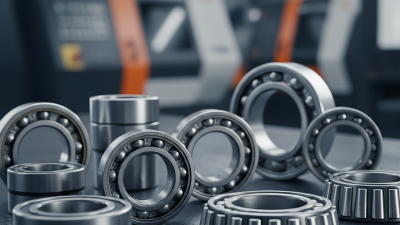
Another critical aspect is the material used. Many high-performance bearings utilize steel or ceramic materials. Steel bearings are widely used due to their balance of strength and cost. However, ceramic alternatives offer superior wear resistance and lower friction. It's important to assess the operating environment because particle contamination can lead to premature failure. Dust, dirt, and moisture are common culprits that damage bearings over time. Therefore, selecting seals and shields appropriately is crucial for longevity.
Buyers should also consider the bearing's size and clearance. A proper fit ensures effective load distribution. Poor alignment or clearance can lead to system inefficiencies. Some reports indicate that misalignment can reduce bearing life by up to 50%. Potential users should evaluate their specific application and consult technical data sheets for precise specifications. Inadequate attention to these factors can lead to costly maintenance later on.
Maintenance and Care for Tapered Roller Bearings to Enhance Longevity
Tapered roller bearings are essential components in many machines. Regular maintenance is crucial to prolong their lifespan. A study by the American Bearing Manufacturers Association (ABMA) indicates that proper care can increase bearing longevity by up to 50%. Failing to maintain these bearings can lead to premature wear and costly repairs.
To enhance the longevity of tapered roller bearings, keeping them clean is vital. Contaminants like dust and dirt can significantly reduce their performance. Regular inspections should check for signs of wear and tear. Lubrication is another critical aspect. Using the right type of lubricant reduces friction. According to the International Organization for Standardization (ISO), improper lubrication accounts for nearly 30% of bearing failures.
Storing tapered roller bearings appropriately also matters. They should be kept in a dry, clean environment to prevent corrosion. After installation, monitoring their performance is essential. Any unusual noises or vibrations should be addressed immediately. These simple yet effective practices contribute to the reliability of machinery. However, many overlook these basic maintenance steps, leading to unexpected downtime. Recognizing that maintenance is an ongoing process is crucial for buyers.