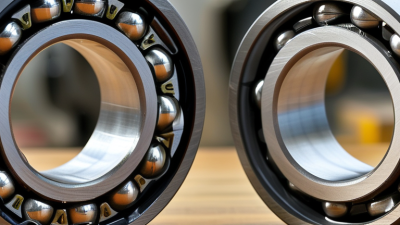
What is a V Groove Bearing and How Does It Work?
The V Groove Bearing is a pivotal component in various mechanical systems. Its unique design allows for smooth movement along tracks or rails, making it essential in industries like manufacturing and automation. According to a recent market analysis from Research and Markets, the global linear motion bearing market is projected to reach $12 billion by 2025. This highlights the growing importance of components such as the V Groove Bearing in modern machinery.
V Groove Bearings offer distinct advantages. Their low friction and precise alignment contribute to improved operational efficiency. However, the effectiveness of these bearings can diminish over time due to wear or misalignment. Regular maintenance and inspections are crucial to ensure optimal performance. A 2021 study from the American Society of Mechanical Engineers noted that 30% of machinery breakdowns result from bearing failures.
Understanding the mechanics behind V Groove Bearings is vital for engineers and technicians. Their applications span from conveyor systems to robotic arms, showcasing their versatility. Emphasizing the need for expertise in selecting and maintaining these bearings cannot be overstated. Identifying the right setup is essential to avoid costly downtime and enhance productivity.
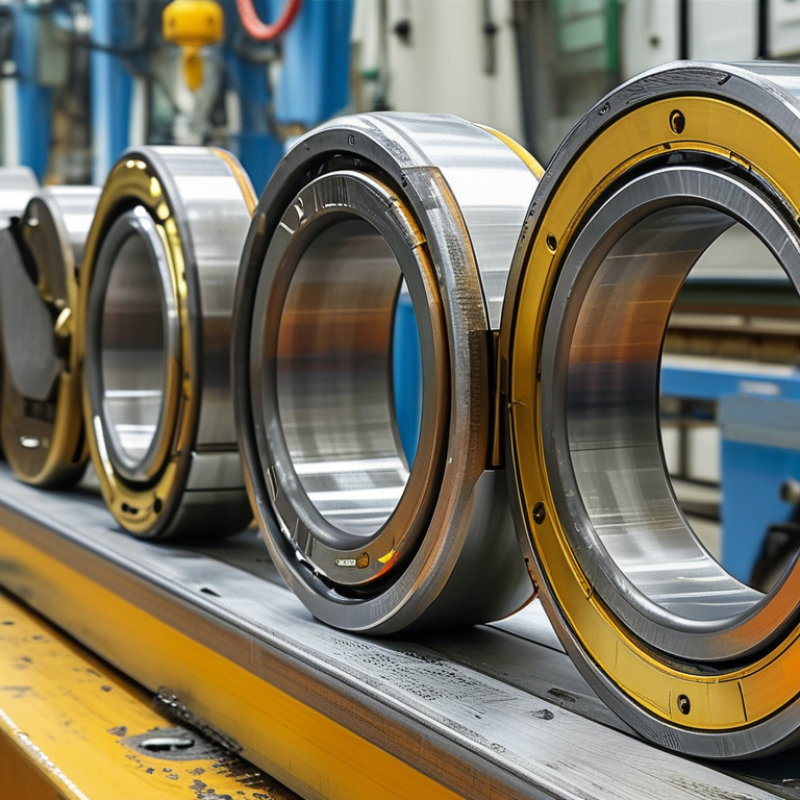
What is a V Groove Bearing?
A V groove bearing is a specialized type of bearing designed for linear motion systems. It features a V-shaped groove, allowing it to roll smoothly along a track or rail. This design is particularly useful in applications requiring precision and stability, such as conveyor systems or automated machinery. The unique shape allows for consistent contact with the track, providing excellent load distribution.
These bearings excel in applications where weight and space are factors. They are often used in sliding door systems or adjustable platforms. The V groove design minimizes friction, which helps maintain efficiency. However, they may not be suitable for high-speed applications, as increased speeds can lead to wear. Users must monitor the bearings regularly for signs of damage or degradation, as maintenance is crucial for performance.
One interesting aspect of V groove bearings is their adaptability. They can be used with various materials, including metal and plastic. This flexibility is advantageous, but it also requires careful consideration of the material choice to ensure compatibility. Users should reflect on their specific needs and test different configurations for optimal results. Each application may present unique challenges, highlighting the importance of experience in selecting the right components.
Components of a V Groove Bearing
A V Groove Bearing is a specialized component used in various applications, particularly in material handling and automated systems. The main components of this bearing include the V-shaped groove, the shaft, and the housing. The groove’s design allows for smooth movement along the track, providing stability and reducing friction. The inner V groove is critical for maintaining alignment during operation.
Research indicates that more than 60% of operational failures in machinery can be traced back to bearing issues. The precision of the components is essential to minimize wear and tear. The bearing's material influences its longevity. Common materials include steel and engineered polymers, chosen for their durability and low friction properties.
Maintenance is often overlooked. Regular checks can prevent significant failures. Dirt and debris can accumulate, leading to suboptimal performance. Companies are encouraged to implement routine inspections to ensure longevity. Data suggests that proper maintenance can extend bearing life by up to 50%. Understanding the components of a V Groove Bearing helps in recognizing its importance in optimizing machinery performance.
Mechanism of Action for V Groove Bearings
V groove bearings are specialized components designed for guiding and supporting linear motion. Their unique V-shaped groove allows for smooth movement along a track. This design is particularly effective in applications requiring precision, such as conveyor systems and assembly lines. The bearings fit snugly into V-shaped rails, enabling them to roll smoothly while minimizing friction.
The mechanism of action for V groove bearings relies on the interaction between the ball bearings and the groove. As the load moves, the ball bearings roll within the groove, creating efficient motion. This system reduces wear and tear over time, enhancing the lifespan of the bearing. However, precision in aligning the track is crucial. Misalignment can lead to uneven wear and increased friction, resulting in performance issues.
In real-world applications, users may encounter challenges such as debris accumulation in the groove. Regular maintenance is essential to ensure optimal performance. Lubrication must be applied correctly to avoid excessive build-up. Despite their advantages, V groove bearings require careful installation and monitoring. Neglecting these factors can impair their function, leading to costly downtime. Understanding these aspects is vital for anyone utilizing V groove bearings in their projects.
Applications of V Groove Bearings in Various Industries
V groove bearings are increasingly used across various industries due to their unique design. These bearings offer efficient motion in systems requiring linear movement. The groove profile allows smooth travel along a track, making them ideal for conveyor systems, automated machinery, and robotics.
In the manufacturing sector, V groove bearings play a crucial role. According to a 2022 industry report, approximately 35% of automated systems now utilize V groove bearings for their excellent load distribution. This feature reduces wear and increases the lifespan of components. In construction, these bearings help with equipment like sliding doors and gantry cranes. They enhance stability and movement control, crucial for heavy operations.
The automotive industry has also embraced V groove bearings. Their lightweight yet durable design supports the growing trend of electric vehicles. The efficiency provided by these bearings can lead to energy savings, offering a competitive edge. However, reliance on these components requires careful monitoring. Insights from a recent survey indicate that improper installations can lead to premature failures. Thus, regular maintenance and checks are essential to ensure optimal performance.
V Groove Bearings: Overview and Applications
| Property |
Description |
Applications |
Advantages |
| Type |
V Groove Bearing |
Material Handling Systems |
Low friction |
| Load Capacity |
Varies based on size |
Automated Guided Vehicles |
High precision |
| Operating Environment |
Indoor and outdoor |
Robotics |
Easy installation |
| Material Options |
Steel, Stainless Steel, Plastic |
Conveyor Systems |
Durable |
| Common Sizes |
From 1" to 3" diameter |
DIY Projects |
Cost-effective |
Advantages and Disadvantages of Using V Groove Bearings
V Groove bearings are popular in various applications, but they come with their own set of advantages and disadvantages. One major advantage is their effective load distribution. According to industry data, these bearings can handle radial and axial loads efficiently. This makes them suitable for conveyor systems and other heavy machinery. They excel in alignment, reducing wear and tear on equipment, which extends the lifespan of installations.
However, V Groove bearings are not without challenges. Their design can make them sensitive to misalignment. This may lead to increased friction and potential failure if not properly installed. Furthermore, they can require regular maintenance to ensure optimal performance. A report by machinery analysts indicates that around 23% of V Groove failures are due to improper installation or alignment issues. This highlights the need for skilled handling and oversight during setup.
Another consideration is the material used in manufacturing these bearings. While many are made from durable materials like steel, some variations might not perform well in high-temperature environments. This can limit their applications. Balancing their advantages and disadvantages is crucial for users to make informed choices. It requires careful consideration of specific operational needs and conditions.