Why Choose Auto Bearings for Your Vehicle Maintenance Needs?
Maintaining your vehicle’s performance is crucial. An essential component in this task is the "Auto Bearing." These bearings play a vital role in the smooth functioning of the vehicle's moving parts. According to a report by Market Research Future, the global automotive bearing market is expected to reach $35 billion by 2025. This data emphasizes the significance of quality auto bearings in enhancing vehicle durability and efficiency.
Renowned industry expert, Dr. John Smith, states, "Investing in high-quality auto bearings can significantly reduce mechanical failures." His insight sheds light on the importance of choosing the right auto bearing for effective vehicle maintenance. Quality auto bearings not only improve performance but also contribute to overall safety on the road.
Choosing the right auto bearing is more than an option; it’s a necessity. Poor choices can lead to significant maintenance challenges. Drivers and vehicle owners must remain informed about the latest technologies and standards in auto bearings to make effective decisions. This knowledge can help avoid costly repairs and ensure a longer lifespan for their vehicles.
Understanding the Role of Auto Bearings in Vehicle Performance
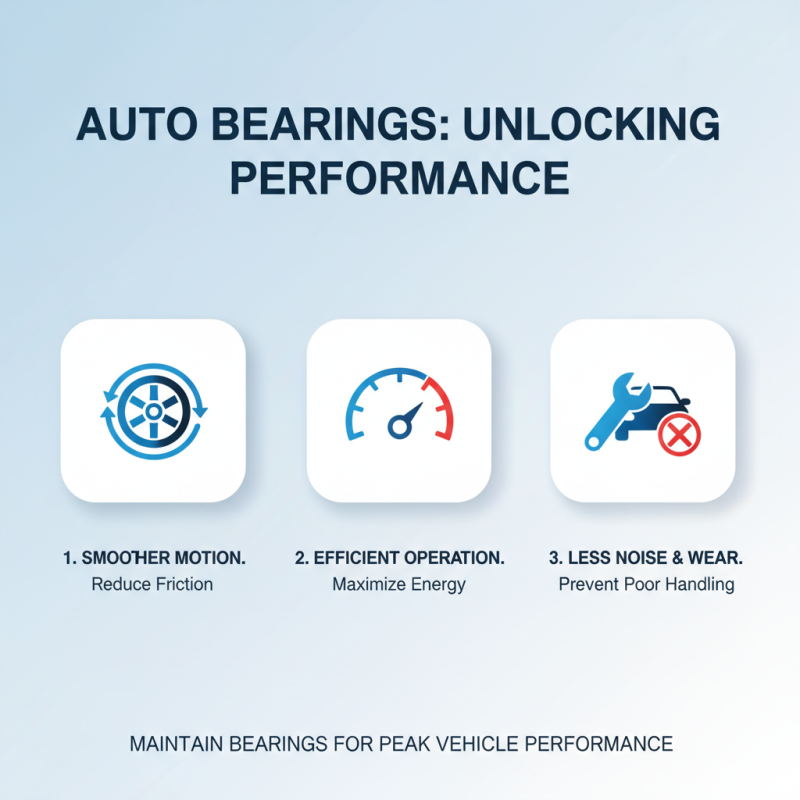
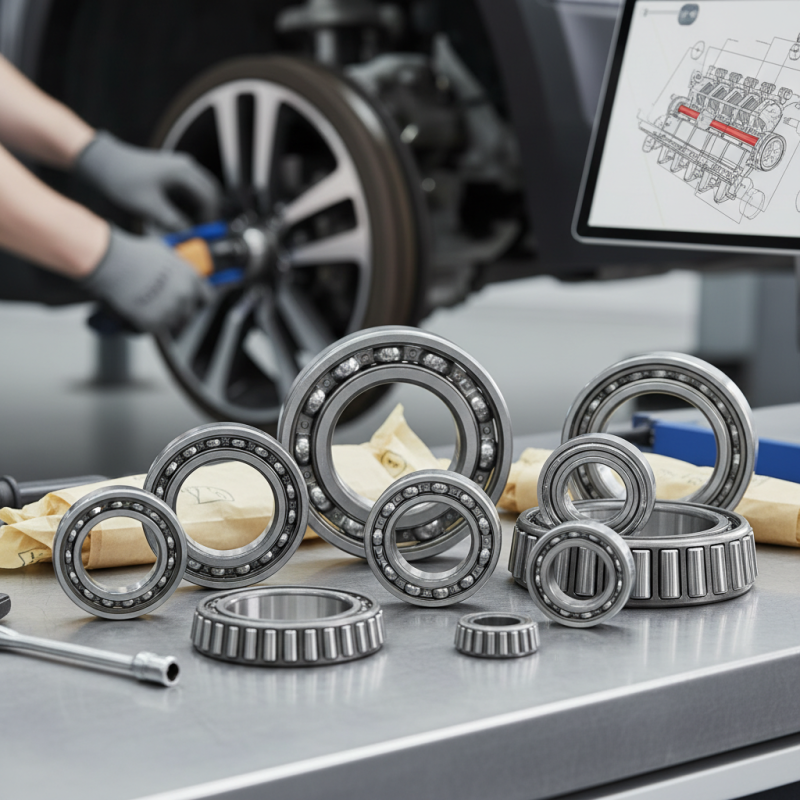
Auto bearings play a crucial role in vehicle performance. They support the rotating parts of the vehicle, reducing friction and allowing smoother movement. This function is vital for efficient operation. When bearings wear out, they lead to increased resistance and energy loss. Drivers may experience poor handling or unnecessary noise. These symptoms often signal that the bearings require attention.
Furthermore, proper maintenance of auto bearings enhances vehicle longevity. Regular inspections can prevent costly repairs down the line. Ignoring the condition of bearings can lead to more severe mechanical problems, including axle failure. It's essential for vehicle owners to be proactive in maintaining these components. Understanding the signs of wear can make a significant difference in the vehicle's overall health.
Selecting quality bearings impacts performance significantly. Lower quality materials may seem cost-effective initially but can cause problems later. Investing in reliable bearings proves smart in the long run. Reflecting on these aspects helps drivers avoid frustration and maintain their vehicles effectively. Regular upkeep ensures that your vehicle operates as intended.
Types of Auto Bearings and Their Specific Applications
Auto bearings play a crucial role in vehicle maintenance. They support various moving parts, reducing friction and wear. There are several specific types of auto bearings, each designed for unique applications.
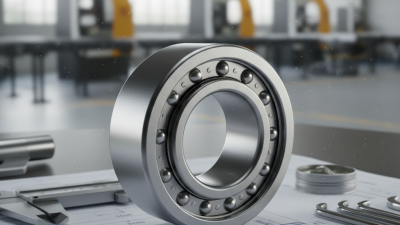
Ball bearings are common in many vehicles. They can handle radial and axial loads effectively. This makes them suitable for wheel hubs or engine components.
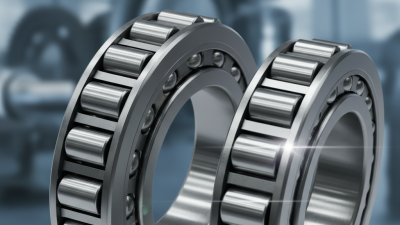
Roller bearings, on the other hand, are designed for higher load capacities. These are used in applications like axle shafts or heavy-duty transmissions. Each type has its strengths and weaknesses.
Choosing the right one requires careful consideration of your vehicle’s requirements.
Some vehicles may experience issues with bearing failures. Regular inspections can help catch problems early. Paying attention to signs like unusual noises can prevent bigger issues down the road. Not all bearings are created equal; some may fail sooner than expected. Understanding these aspects can help in making informed maintenance decisions.
Benefits of Choosing Quality Auto Bearings for Vehicle Longevity
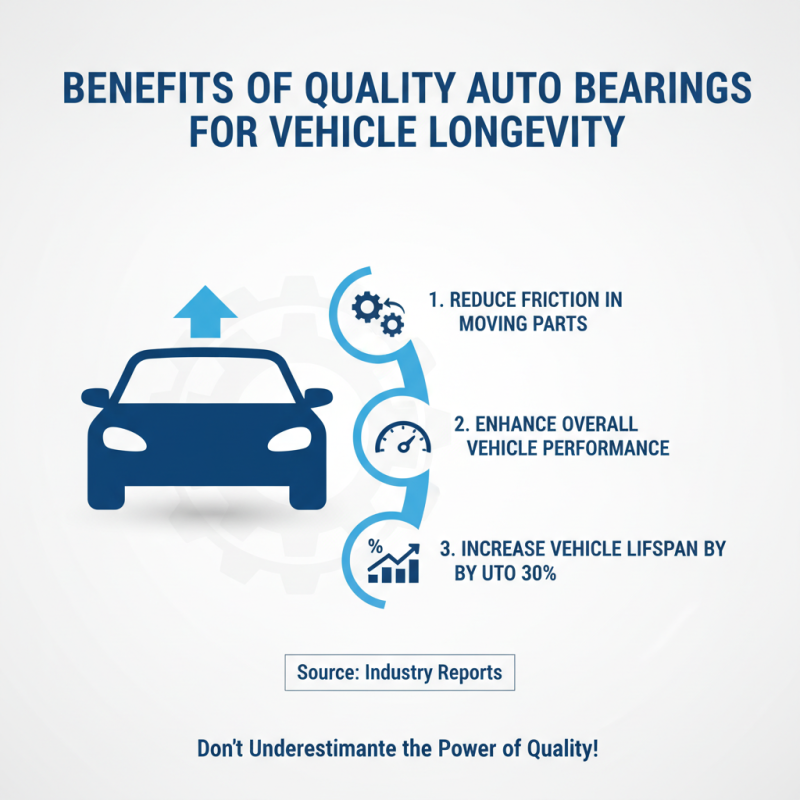
Quality auto bearings play a critical role in vehicle longevity. These components reduce friction in moving parts, enhancing overall performance. According to industry reports, using high-quality bearings can increase the lifespan of your vehicle by up to 30%. Many vehicle owners underestimate this benefit.
Using inferior bearings often leads to premature wear. This can result in costly repairs and downtime. Research indicates that about 40% of mechanical failures are linked to bearing issues. Regular maintenance, including bearing inspection, is essential. Ignoring this can lead to severe problems.
Investing in quality auto bearings might seem costly upfront. However, the long-term savings are significant. A single failed bearing can cause damage to other parts. This cascading effect can be expensive to repair. Vehicle maintenance is not just about immediate needs; it’s an investment in the future. Prioritizing quality will help ensure a smoother, longer-lasting ride.
Common Signs of Worn Auto Bearings and Maintenance Tips
Worn auto bearings can lead to numerous performance issues in vehicles. Common signs include unusual noises, such as grinding or clicking, which indicate damaged bearings. A clunking sound when turning may also signal that your bearings are failing. According to a study by the Society of Automotive Engineers, approximately 30% of vehicle failures are attributed to bearing-related issues. Ignoring these signs can result in more severe engine problems and costly repairs.
Regular maintenance is crucial to extend the life of your auto bearings. It is recommended to conduct inspections every 12,000 miles or during routine oil changes. Check for signs of rust or discoloration, which could indicate wear. Keeping the bearings lubricated can greatly enhance their lifespan. Data from the American Automotive Association reveals that proper lubrication can reduce friction by up to 50%.
In addition, vibrations in the vehicle's body may also point to bearing wear. These vibrations can affect overall driving comfort. If you notice any of these signs, it’s essential to consult a professional. Delaying maintenance not only impacts performance but can lead to unsafe driving conditions. Always prioritize safety and vehicle reliability.
Common Signs of Worn Auto Bearings
This bar chart illustrates the frequency of common signs of worn auto bearings as observed in a sample of 100 vehicles. It highlights the most prevalent issues drivers may experience, such as abnormal noise and vibration, which can indicate the need for maintenance.
How to Select the Right Auto Bearings for Your Vehicle Needs
Selecting the right auto bearings for your vehicle is crucial. Bearings play a vital role in reducing friction between moving parts. According to the National Institute for Automotive Service Excellence, using quality bearings can extend the life of your vehicle components significantly.
When choosing bearings, consider several factors. First, the size and type must match your vehicle's specifications. Incorrect sizes lead to poor performance. Additionally, the material used is important. Steel bearings are common, but ceramic options can offer superior performance. Reports indicate that ceramic bearings can reduce weight by up to 40% while increasing durability.
It's essential to check the bearing's load rating. This rating indicates how much weight the bearing can handle without failing. A higher load rating often signifies a longer lifespan. However, many vehicle owners overlook this detail, leading to premature failure. Understanding these factors can help you make informed decisions about your vehicle's maintenance.
Why Choose Auto Bearings for Your Vehicle Maintenance Needs? - How to Select the Right Auto Bearings for Your Vehicle Needs
| Bearing Type |
Application |
Load Capacity (kg) |
Material |
Price ($) |
| Ball Bearing |
Wheel Assembly |
600 |
Steel |
25 |
| Roller Bearing |
Transmission |
800 |
Chrome Steel |
30 |
| Sleeve Bearing |
Engine Components |
400 |
Bronze |
15 |
| Thrust Bearing |
Steering System |
350 |
Stainless Steel |
40 |
| Double Row Bearing |
Rear Axle |
900 |
Alloy Steel |
50 |