2026 Best Tapered Roller Bearing Guide for Global Buyers?
In the world of industrial machinery, Tapered Roller Bearings play a crucial role. These components support heavy loads and endure high speeds. Understanding their specifications is vital for buyers globally. With manufacturers varying widely in quality, making informed choices is essential.
As we approach 2026, the demand for reliable Tapered Roller Bearings continues to grow. Buyers must consider factors like material durability and design efficiency. Not all bearings are created equal, and choosing the wrong one can lead to costly downtime.
By focusing on key features and industry standards, this guide aims to empower buyers. We will explore the latest trends and innovations in Tapered Roller Bearings. It is important to reflect on past mistakes and learn from them. Reliable suppliers and thorough research can lead to better investments.
Understanding Tapered Roller Bearings: Definition and Functionality
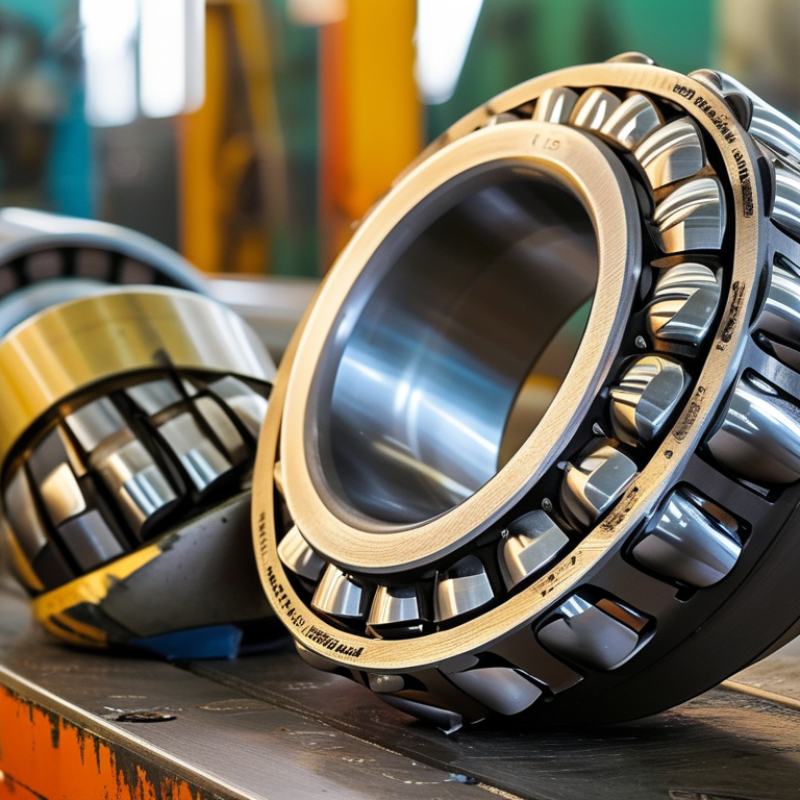
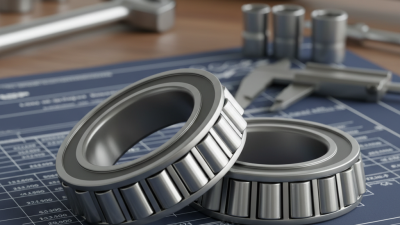
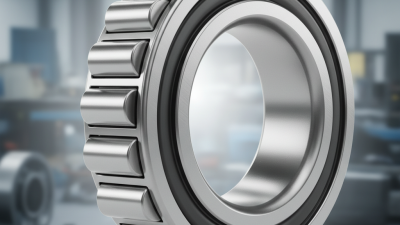
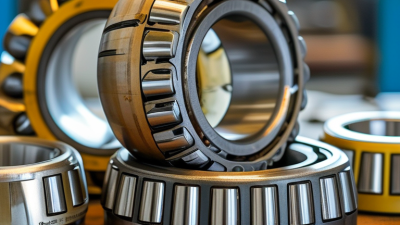
Tapered roller bearings are crucial components in various industrial applications. They are designed to support both radial and axial loads. This unique feature makes them suitable for use in vehicles, construction machinery, and agricultural equipment. The tapered shape allows for better distribution of load, which can improve longevity and performance.
According to a recent industry report from Research and Markets, the global tapered roller bearing market is expected to grow significantly. The market size is projected to reach USD 16.6 billion by 2027, driven by increasing demand in automotive and manufacturing sectors. This indicates a robust interest in products that offer durability and efficiency. However, not all applications may benefit equally. Occasionally, mismatched bearing sizes or misalignments can lead to premature wear or failure.
Proper application of these bearings requires expertise. Engineers must carefully analyze factors like load ratings and size specifications. One common challenge is ensuring adequate lubrication. Insufficient lubrication can result in overheating and reduced performance. This highlights the need for ongoing assessment and maintenance strategies to optimize the bearings' lifespan and functionality. Thus, while tapered roller bearings are generally reliable, they demand careful consideration in application and usage.
Key Features to Consider When Choosing Tapered Roller Bearings
Choosing the right tapered roller bearings can significantly enhance machinery performance. When evaluating options, consider the material. Steel and ceramic are popular choices. Each has unique properties that influence durability and load capacity. A good understanding of load ratings and their implications on bearing lifespan is crucial. Look for bearings designed for high radial and axial loads.
Another important feature is the precision of manufacture. Tapered roller bearings should have tight tolerances to ensure smooth operation. Speak to suppliers about their production standards. Don't hesitate to ask questions. Ongoing maintenance is also vital for longevity. Regularly inspect bearings for wear or damage.
Finally, think about the operating environment. Vibrations, temperature fluctuations, and contamination are all factors. Bearings exposed to harsh conditions may require specific seals. This ensures protection against debris. Reflecting on these elements can lead to better decisions. Balancing performance, cost, and reliability is essential. Don't overlook the importance of informed choices. They can make all the difference in efficiency.
Top Manufacturers and Brands of Tapered Roller Bearings in 2026
In 2026, the global demand for tapered roller bearings is expected to rise significantly. According to recent market reports, the tapered roller bearing market is projected to grow at a CAGR of 5.2% from 2023 to 2028. This growth is fueled by advancements in automotive and industrial applications. Tapered roller bearings are crucial for supporting axial and radial loads, making them essential components in machinery.
Top manufacturers in this space are focusing on product innovation and quality assurance. Many companies are investing in advanced manufacturing technologies to enhance their production capabilities. For example, the use of high-precision machining and improved material selection can lead to longer bearing life and better performance. Some industry reports highlight the importance of adhering to strict quality standards, which can significantly impact operational reliability.
However, challenges remain. The supply chain disruptions caused by global events have affected production timelines. Additionally, fluctuations in raw material costs can lead to price volatility in the market. Buyers should carefully assess manufacturers' reliability and industry reputation. Making informed decisions involves considering these factors to ensure quality and performance in their applications.
Global Market Trends and Demands for Tapered Roller Bearings
The global demand for tapered roller bearings shows significant growth. According to a market analysis by Research and Markets, the market is expected to reach approximately USD 9.2 billion by 2026, driven by various sectors, especially in automotive and industrial machinery. This growth reflects the increasing need for efficient and precise components that enhance the performance of machinery.
Tapered roller bearings are vital in applications requiring high load capacity and durability. As industries move towards automation and high-speed operations, the need for reliable bearings is at an all-time high. The Asia-Pacific region, particularly China and India, is emerging as a dominant market, influencing trends due to rapid industrialization.
It's important to consider quality over price when selecting tapered roller bearings. The right choice can significantly improve machine efficiency. Ensure suppliers provide detailed specifications and application data. Evaluate certifications and quality control processes. Also, always check for user reviews to gauge performance reliability over time.
Maintenance Tips for Enhancing the Lifespan of Tapered Roller Bearings
Proper maintenance of tapered roller bearings is essential for maximizing their lifespan. Regular lubrication is crucial. The IHS Markit reports that inadequate lubrication is responsible for nearly 40% of bearing failures. Choosing the right type and amount of lubricant can prevent excessive wear. It's advisable to follow manufacturer guidelines for lubrication intervals and methods.
Environmental factors also play a significant role. Tapered roller bearings can be negatively affected by dust, corrosion, and moisture. Protecting them from contamination can significantly enhance performance. A study by the American Bearing Manufacturers Association indicates that even a small amount of dirt can decrease bearing life by 50%. Regular inspections should check for signs of wear or damage, allowing for early intervention.
Monitoring operating conditions is important. Excessive loads and misalignment can lead to premature failure. The American Society of Mechanical Engineers suggests that proper alignment can reduce stress on bearings, improving their efficiency. Implementing vibration analysis and temperature monitoring helps in detecting issues early. Regularly reviewing performance data can help identify patterns and prevent unexpected failures.