2026 Best U Groove Bearing for Global Buyers Guide?
In the ever-evolving world of machinery, U Groove Bearings play a crucial role. These components are essential for smooth operation in various applications. Global buyers seek high-quality U Groove Bearings that can withstand demanding environments. It's vital to choose the right bearing to ensure reliability and performance.
Understanding the specifics of U Groove Bearings is key. Different materials and designs impact their durability and functionality. Many buyers overlook the importance of precise measurements. However, small discrepancies can lead to significant failures in machinery. This highlights the need for careful consideration when selecting bearings.
The global market offers a plethora of options, but not all are created equal. It's important for buyers to evaluate suppliers based on expertise and reputation. Engaging with experienced vendors can provide insight into the best practices. Ultimately, investing time in research will lead to more informed purchasing decisions. This guide aims to empower buyers with the knowledge needed to navigate the U Groove Bearing landscape effectively.
Overview of U Groove Bearings: Features and Applications
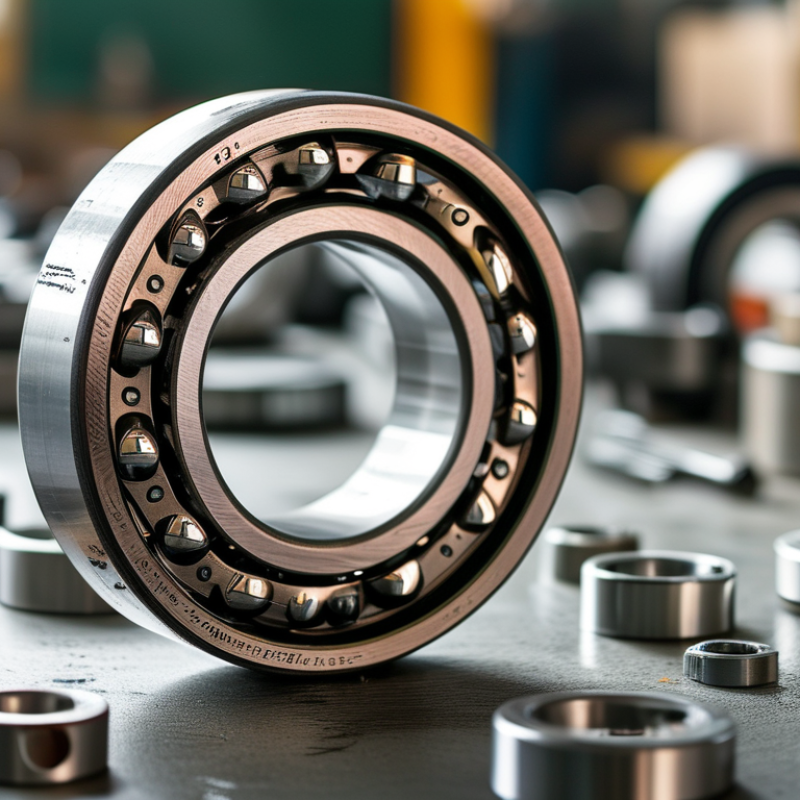
U groove bearings are essential components in various machinery. They are designed to accommodate radial and axial loads, providing smooth rotation. These bearings are often used in applications like conveyors, sliding doors, and linear motion systems. Their unique shape allows for better guidance and stability, making them a popular choice in many industries.
When selecting U groove bearings, consider the material. High-quality materials enhance durability and resistance to wear. You may find options in stainless steel and nylon, each with its advantages. Additionally, check the groove dimensions to ensure compatibility with your design. A mismatch can lead to operational issues and increased friction.
Proper installation is crucial for optimal performance. Misalignment can cause premature failure. Regular maintenance, including lubrication, can prolong the life of these bearings. Observe any unusual noises or vibrations during operation; they may signal a need for inspection. Understanding the specific applications will help in making informed decisions.
Key Factors to Consider When Selecting U Groove Bearings
When selecting U groove bearings, one of the most crucial factors to consider is the material. Common materials include stainless steel and plastic. Stainless steel provides strength, while plastic is lightweight and resistant to corrosion. However, both have their drawbacks. Stainless steel can rust if not properly maintained, and plastic may wear down prematurely under heavy loads.
Another important factor is the load rating. Understanding the bearing's load capacity is key. Choosing a bearing with insufficient load rating can lead to early failure. Conversely, overestimating needs may lead to unnecessary costs. It’s essential to match the bearing's capabilities to your specific application.
Pay attention to the groove design as well. The shape can affect performance in guiding and supporting shafts. Deep grooves can offer stability, but a flat design may reduce rolling resistance. Evaluate the unique needs of your project to find the right balance.
Unfortunately, many overlook these details. Some buyers get swayed by price alone and ignore quality indicators. It's vital to do thorough research and consult with experts. Making an informed choice can prevent costly mistakes in the long run. Each decision matters when it comes to the longevity and reliability of U groove bearings.
2026 U Groove Bearing Performance Comparison
Top 2026 U Groove Bearing Brands and Their Offerings
When selecting U Groove bearings, understanding various brands is crucial. Each brand offers unique features tailored to different applications. Some focus on high precision, while others target durability or affordability. This variety can create confusion for buyers.
Quality matters most in bearing selection. Many factors like material, design, and lubrication play significant roles. Not all brands disclose their manufacturing processes. Therefore, buyers should research and compare options extensively. High-quality bearings often lead to improved performance and lifespan.
Additionally, the market can be overwhelmed by choices. Some brands build a reputation over decades. Others are new, offering innovative designs but lacking proven reliability. Assessing user reviews can provide valuable insights. It’s essential to weigh both expert opinions and personal experiences when choosing the right U Groove bearing.
Maintenance Tips for Ensuring Longevity of U Groove Bearings
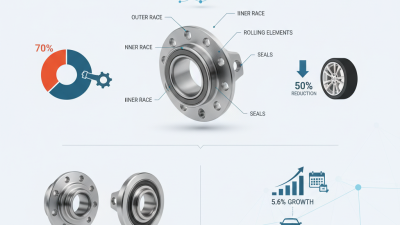
U Groove bearings are essential in various applications, from conveyor systems to sliding doors. Maintenance is crucial for their longevity and performance. Regular inspection can help identify wear and tear before it leads to failures. Studies indicate that improper maintenance can reduce bearing lifespan by up to 50%. An experienced technician should check alignment to ensure smooth operation.
Lubrication plays a vital role in bearing health. Using the correct lubricant reduces friction and heat buildup. Over-lubrication can cause damage, while under-lubrication leads to wear. A survey of industry professionals shows that 70% prioritize proper lubricant selection. Cleaning the bearings regularly is also important. Dirt and debris can lead to premature failure.
Environment affects bearing performance. High temperatures and moisture can accelerate wear. Protective seals may help in harsh environments. Still, monitoring is necessary to avoid unexpected breakdowns. Collecting data on operating conditions can provide insights into maintenance needs. Many companies overlook these factors, leading to costly repairs. Ensuring that you stay informed on best practices is a fundamental step toward maximizing U Groove bearing lifespan.
Global Market Trends and Future Prospects for U Groove Bearings
The global market for U groove bearings is steadily evolving. Increased automation and industrialization drive this growth. Buyers can expect trends focusing on durability and efficiency. Innovations in materials and design are also emerging. Sustainability is taking a front seat. Manufacturers are considering eco-friendly materials more seriously. This focus can enhance product appeal and market reach.
Choosing the right U groove bearing is crucial for performance. Look for options that balance quality and affordability. Newer models may offer advanced features at a lower cost. Remember, not every bearing will meet all specific needs. Understanding your requirements will help guide your purchase.
Stay informed about market trends to make sound decisions. Research potential suppliers thoroughly. Examine their track record and customer feedback. A reliable supplier can make a significant impact on your operations. Yet, not all information freely available can be trusted. Engage with industry experts for insights that drive better choices.