Best Deep Groove Ball Bearings for Global Buyers?
When it comes to selecting a Deep Groove Ball Bearing, buyers face numerous options. The market offers various types and brands, each claiming to deliver superior performance. However, discerning the ideal product remains a challenge.
Deep Groove Ball Bearings are indispensable in various applications. They are known for their versatility and reliability. Industrial machines, automotive components, and household appliances all utilize these bearings. Understanding their specific features can significantly impact your choice.
Many buyers overlook critical details. For instance, the material used in the bearing affects durability. Additionally, the load capacity and speed ratings are essential considerations. Making an informed decision is key to avoiding frequent replacements. Therefore, a thorough understanding of the options on the market can lead to better investment.
Overview of Deep Groove Ball Bearings and Their Applications
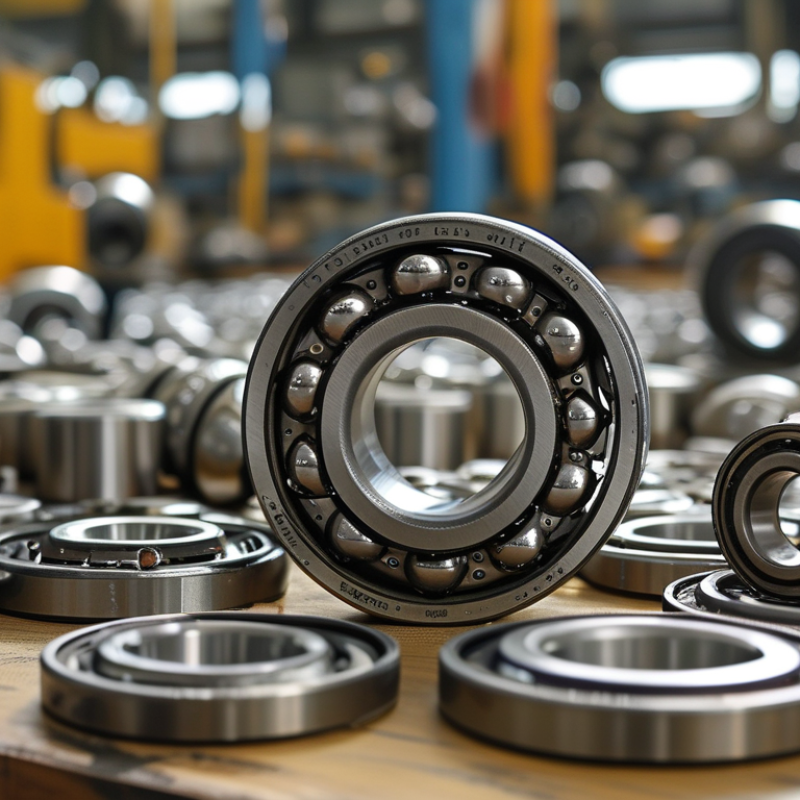
Deep groove ball bearings are essential components in various machinery and applications. They are designed to accommodate both radial and axial loads, making them versatile. Their simplicity allows for easy installation and maintenance, which is a significant advantage in numerous industrial settings. These bearings are widely used in electric motors, pumps, and automotive applications due to their reliability and performance.
In everyday use, deep groove ball bearings can be found in household appliances and power tools. Their ability to reduce friction contributes to the efficiency of these machines. Choosing the right bearing is crucial, however. Factors like load capacity, speed rating, and material composition must be considered. Misjudging any of these aspects can lead to premature failure and increased costs.
Despite their advantages, there are challenges when selecting deep groove ball bearings. Some users fail to account for environmental factors such as temperature and humidity. Often, a one-size-fits-all approach is taken, which can be detrimental. Understanding the specific requirements of your application is key. Knowledge and expertise in bearing selection can make a significant difference in performance and longevity.
Best Deep Groove Ball Bearings - Applications and Performance
Key Factors to Consider When Choosing Deep Groove Ball Bearings
When selecting deep groove ball bearings, several key factors come into play. One critical aspect is the load rating. According to the latest industry reports, choosing bearings with appropriate load capacities significantly impacts their longevity and performance. For applications involving high speeds or heavy static loads, manufacturers recommend using bearings that exceed expected load values, generally by 20 to 30%. This ensures reliability even under extreme conditions.
Another vital consideration is the material. Most deep groove ball bearings are made from high-carbon chromium steel, which offers excellent wear resistance. However, some specialized applications may require different materials, like ceramic for reduced friction. These bearings can operate effectively at higher speeds and temperatures. Yet, they often come at a premium price. Balancing cost and performance is essential when making a decision.
Additionally, lubrication type plays an integral role in maintenance and durability. Industry surveys show that proper lubrication can enhance bearing lifespan by up to 50%. Choosing between grease or oil depends on the operating environment. It’s important to note that over-lubrication may lead to overheating, while under-lubrication can cause premature failure. Thoughtful consideration of these elements can guide global buyers toward optimal deep groove ball bearings.
Top Manufacturers of Deep Groove Ball Bearings in the Global Market
When considering deep groove ball bearings, multiple manufacturers stand out in the global market. These companies focus on precision engineering and reliability. Their products are essential in various industries, from automotive to manufacturing. Specialized techniques improve durability and performance. Continuous innovation drives their success.
Understanding the manufacturing process is critical. Companies invest in advanced technologies and quality control. Yet, challenges remain. Some manufacturers may struggle with meeting the exact specifications demanded by clients. Variations in material quality can lead to performance inconsistencies. Continuous feedback loops can address these issues.
Global buyers should prioritize manufacturers with strong reputations. Trustworthy companies provide detailed product specifications and testing results. Evaluating a manufacturer's experience helps establish their credibility. Feedback and online reviews are valuable resources in this process. Prioritizing reliability can ensure better performance in application.
Comparison of Different Deep Groove Ball Bearing Materials and Designs
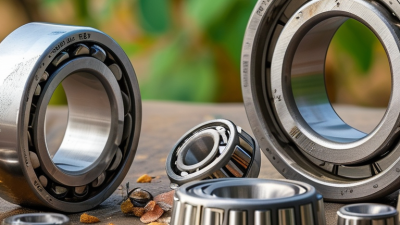
When selecting deep groove ball bearings, material choice significantly impacts performance. Steel, ceramic, and hybrid bearings are the most common options. Steel bearings generally exhibit excellent load capacity and durability. However, they may corrode under harsh conditions. A case study reported that steel bearings have a lifespan averaging 20,000 hours under optimal conditions.
Ceramic bearings, while lighter and more resistant to wear, can be more brittle. They possess a longer service life – often exceeding 40,000 hours. Their ability to operate in extreme temperatures and environments makes them appealing for specialized applications. However, their higher cost may limit widespread adoption.
Hybrid bearings combine both materials. They utilize ceramic balls and steel races. This combination offers a balance between durability and weight. Studies have shown that hybrid bearings can last up to 30% longer than their all-steel counterparts. Each design option has trade-offs. Buyers need to evaluate the specific conditions of use. Understanding the unique characteristics of each type helps in making an informed decision. Choosing the right bearing isn't merely a matter of preference; it's an intricate evaluation of operational needs and costs.
Trends and Innovations in Deep Groove Ball Bearing Technology
Deep groove ball bearings have witnessed significant advancements in recent years. The evolution in materials and design has greatly enhanced their performance. For instance, ceramic hybrid bearings are gaining traction. They offer lower friction and higher speed capabilities compared to traditional steel bearings. This technology benefits various applications, from automotive to industrial machinery.
Another trend is the integration of smart sensors. These sensors monitor temperature, vibration, and load in real-time. They provide valuable data for predictive maintenance. However, not all manufacturers implement these features effectively. There can be challenges in data integration and analysis, which may lead to missed opportunities for optimization.
Sustainability is also becoming a focus in bearing technology. Many companies are exploring eco-friendly materials and manufacturing processes. While the intentions are commendable, the transition can be slow. It's important to assess the long-term impact of such changes on product performance. Innovation often comes with risks, and businesses must carefully navigate these waters.