What Are Miniature Ball Bearings and How Do They Work?
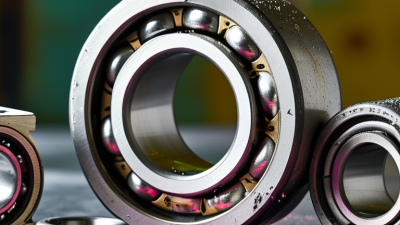
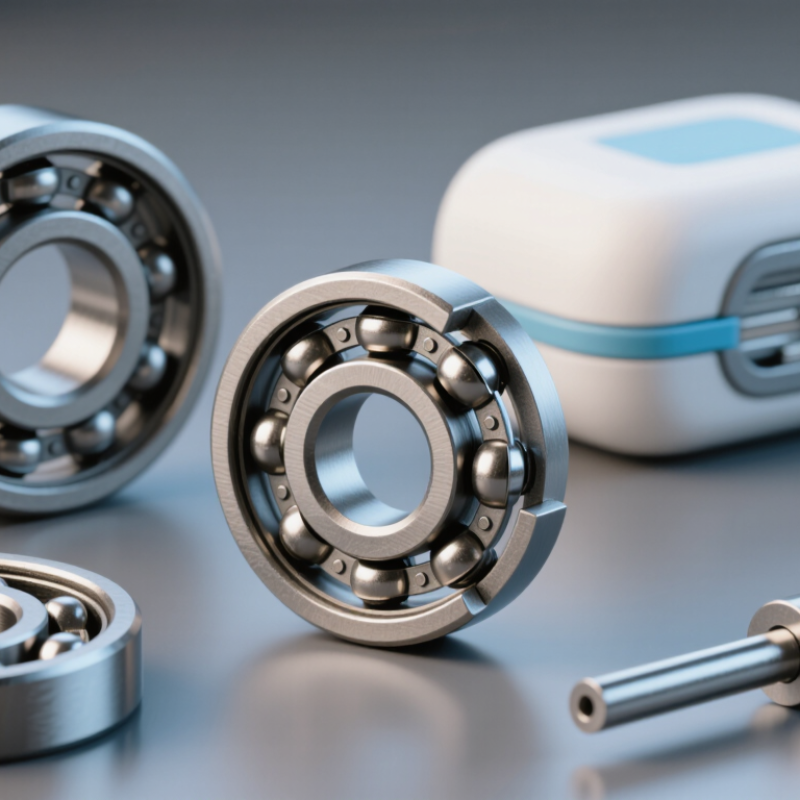
Miniature Ball Bearings may be small, but they quietly control movement in instruments, dental handpieces, camera lenses, robotics, and compact motors. Their purpose is simple: reduce friction while supporting radial or axial loads in limited spaces. Inside each bearing, hardened balls roll between an inner race and an outer race. A cage keeps the balls separated, preventing them from rubbing together at high speed.
“Precision begins with understanding the load, speed, and environment,” says Dr. Erich Franke, a respected pioneer in bearing design. His principle remains practical today. A bearing that looks perfect can still fail when lubrication is unsuitable, mounting pressure is uneven, or contamination enters the raceway.
That detail matters.
This article, What Are Miniature Ball Bearings and How Do They Work?, examines their construction, operating principles, materials, and common applications. It also considers selection factors, including bore size, rotational speed, noise, temperature, sealing, and expected service life. In real equipment, miniature bearings rarely work alone. A shaft, housing, lubricant, and installation method all influence performance.
The explanation will remain practical. Imagine a two-millimeter shaft turning inside a compact medical device. Even a tiny misalignment can create vibration, heat, and premature wear. The simple rolling action is not always simple in practice. Engineers must balance precision against cost, durability against size, and performance against imperfect operating conditions.
Some assumptions may deserve reconsideration. Smaller does not automatically mean weaker, and higher speed does not always mean better. Careful specification makes the difference.
Miniature Ball Bearings: Definition, Structure, and Main Components
Miniature ball bearings are compact rolling-element bearings designed for small shafts, limited spaces, and precise motion. Their outer diameter is commonly below 22 millimeters, although “miniature” lacks one universal boundary. That ambiguity matters. A 2024 industry assessment by Grand View Research valued the global ball bearing market at approximately USD 8 billion in 2023, reflecting demand from medical devices, robotics, electronics, and aerospace equipment. The figure covers broader ball bearings, not miniature units alone.
Their structure is simple but carefully balanced. An inner ring fits the rotating shaft. An outer ring sits inside the housing. Hardened balls roll between both raceways, reducing sliding friction. A cage separates the balls and maintains even spacing. Seals or shields help retain grease and block dust, although they also add friction and heat. Material choice changes performance. Stainless steel resists corrosion, while ceramic balls can reduce weight and electrical conductivity concerns.
Small parts demand strict control. ISO 1998 and related bearing standards define key terms, dimensions, and load-rating methods, supporting consistent engineering decisions. In practical inspection, a bearing may look flawless yet fail because of microscopic raceway damage, incorrect preload, or contamination. That is easy to underestimate. Load ratings also describe calculated fatigue life, not a guaranteed service period. A 2023 technical market report from Fortune Business Insights placed the wider ball-bearing market above USD 19 billion, but its category boundaries differ from other reports. Engineers should question the methodology before comparing numbers.
Key Materials and Manufacturing Features of Miniature Ball Bearings
Miniature ball bearings support rotating shafts in compact equipment, where every fraction of a millimeter matters.
Their performance depends heavily on material selection and manufacturing control.
Chrome steel offers high hardness and load capacity.
Stainless steel provides better corrosion resistance in humid environments.
Ceramic balls, often made from silicon nitride, reduce weight and friction.
They also tolerate higher speeds, but cost more and may require careful design.
Manufacturing starts with precise forming and heat treatment.
Races are ground, then lapped to create smooth, accurate tracks.
Even tiny surface defects can cause vibration, noise, or early fatigue.
The balls must match closely in size and roundness.
A small difference can change the internal load distribution.
Cages made from steel, nylon, or engineering polymers separate the balls and guide their movement.
Each option behaves differently under heat and chemical exposure.
Clean assembly is equally important.
Dust particles can become damaging obstacles inside a bearing.
Manufacturers often use ultrasonic cleaning, controlled lubrication, and sealed packaging.
Seals may use rubber-like compounds selected for temperature and fluid resistance.
In practical testing, low friction does not always mean longer service life.
Excessive preload can improve rigidity but generate heat.
Insufficient preload may cause unwanted movement.
Material choice is never perfect.
Engineers must balance speed, load, temperature, space, and maintenance conditions.
A polished surface helps, but it cannot correct poor alignment or contaminated assembly.
Common Applications and Selection Criteria for Miniature Ball Bearings
Miniature ball bearings use small hardened balls between inner and outer rings to reduce friction. As the shaft rotates, the balls roll along carefully formed raceways. This rolling contact supports smooth motion with less heat than sliding contact. Their small size suits compact mechanisms, but it also limits load capacity and tolerance for contamination.
Common applications include miniature motors, robotic joints, medical instruments, optical equipment, dental handpieces, and precision encoders. Each application creates different demands. A high-speed motor needs low friction, balanced construction, and suitable lubrication. A robotic joint may require stronger radial support and occasional axial loading. Optical equipment often prioritizes quiet operation and minimal vibration. Sealing also matters. A sealed bearing helps block dust and retain grease, while an open design may suit controlled, clean assemblies.
Selection should begin with shaft diameter and available housing space. Then compare radial load, axial load, rotational speed, operating temperature, and expected service life. Stainless steel can resist moisture, but material choice still depends on load and environment. Check internal clearance carefully. Excessive clearance may increase vibration, while insufficient clearance can create heat during operation. Lubricant choice deserves practical testing, not guesswork. Grease that works in a slow mechanism may fail at high speed. Installation is often overlooked. Misalignment, excessive press force, or a scratched shaft can shorten bearing life immediately. No selection rule fits every machine. Engineers should validate performance under realistic vibration, temperature, and duty-cycle conditions.
What Are Miniature Ball Bearings and How Do They Work?
Miniature ball bearings use hardened balls between inner and outer rings to reduce friction and support radial or combined loads. Their small size makes them suitable for compact, high-speed equipment.
The chart shows representative rotational-speed ranges commonly encountered in miniature-bearing applications. Actual limits depend on bearing size, seal type, lubrication, preload, load, temperature, and shaft alignment. Selection should begin with bore diameter, available space, load rating, required speed, operating environment, and service life.