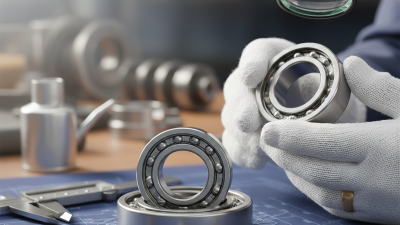
Top Miniature Ball Bearings for Global Buyers in 2026?
As the demand for precision engineering rises, Miniature Ball Bearings have garnered significant attention worldwide. These tiny yet powerful components play a critical role in various applications, from robotics to medical devices. Their ability to reduce friction and enhance performance makes them essential for modern machinery. In the rapidly evolving market of 2026, buyers are looking for the most reliable suppliers.
Understanding the key features of Miniature Ball Bearings is crucial. Buyers need accurate information about sizes, load capacities, and materials. Not all bearings are created equal; some may not perform well under specific conditions. It is vital for manufacturers to embrace innovation while maintaining quality standards. This balance will ultimately determine their market success.
While there are numerous options available, selecting the right Miniature Ball Bearing can be challenging. Buyers should consider not only price but also the manufacturer’s reputation and expertise. Trusting a well-established brand often leads to better performance. However, even established brands can have shortcomings that need careful evaluation. The quest for the best Miniature Ball Bearings remains an evolving journey for global buyers.
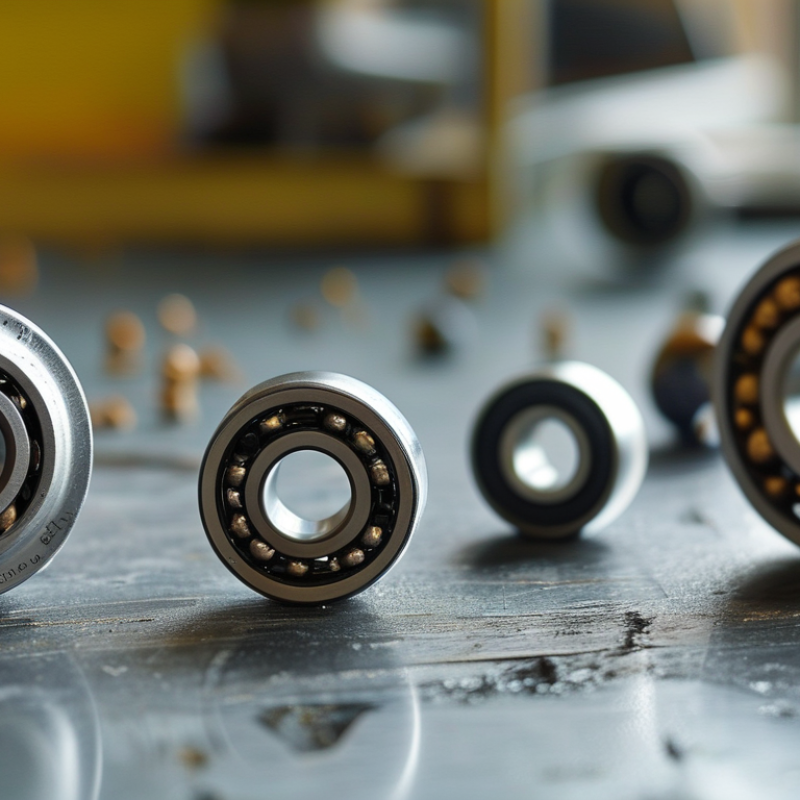
Overview of Miniature Ball Bearings and Their Applications
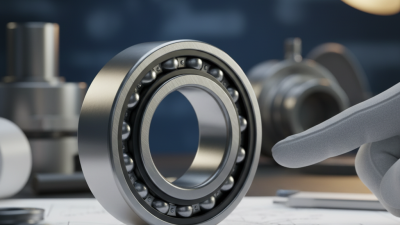
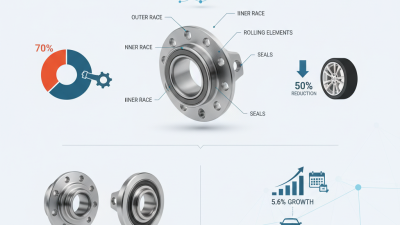
Miniature ball bearings are crucial components in various machinery and devices. They function smoothly by reducing friction between moving parts. These bearings are widely used in applications like robotics, medical devices, and aerospace technology. According to the latest market research, the global miniature ball bearing market is projected to grow at a CAGR of 6.1% from 2021 to 2026, indicating a rising demand for these essential components.
The role of miniature ball bearings extends beyond just mechanical applications. Their precision ensures the efficient functioning of instruments, from electronic gadgets to automotive engines. The complexity of designs increases as industries push for better efficiency. However, achieving this requires constant innovation and reliability. Some reports suggest that about 20% of miniature bearings produced face performance issues in specific applications, highlighting the need for stringent quality control.
Moreover, the environmental impact of production processes has become a concern. Green manufacturing practices are being adapted but still require more research and development. Though the industry is advancing, challenges such as material selection and sustainability remain. Understanding these factors is vital for future advancements in miniature ball bearings.
Top Miniature Ball Bearings for Global Buyers in 2026
| Bearing Type |
Dimensions (mm) |
Load Capacity (N) |
Material |
Applications |
| Miniature Deep Groove |
3x10x4 |
50 |
Stainless Steel |
Electrical motors, Robotics |
| Miniature Angular Contact |
4x12x4 |
80 |
Ceramic |
Precision instruments, Aerospace |
| Miniature Flanged Ball Bearings |
5x12x4 |
90 |
Low Carbon Steel |
Medical devices, Automation systems |
| Miniature Hybrid Ball Bearings |
6x16x6 |
100 |
Stainless Steel & Ceramic |
High-speed applications, Automotive |
| Miniature Self-Lubricating |
3x9x4 |
70 |
Polymer |
Toys, Hobby motors |
Key Factors Influencing the Demand for Miniature Ball Bearings in 2026
The demand for miniature ball bearings in 2026 is shaped by various key factors. One major aspect is the growth of the robotics industry. With more automation in manufacturing, the need for high-performance bearings increases. These bearings must be lightweight yet durable. Innovations in design and materials will likely play a vital role.
Another influencing factor is the push for energy efficiency. As industries aim to reduce their carbon footprint, they seek products that enhance performance while consuming less energy. Miniature ball bearings with low friction characteristics are essential for this objective. Companies are exploring different lubricants and surface treatments to minimize energy loss.
Furthermore, the trend towards miniaturization in technology adds to the demand. As devices become smaller, the components must fit into tighter spaces. This requires specialized designs for miniature ball bearings. However, achieving precision at a smaller scale can be challenging. Companies must balance size with performance. Ongoing research in this area will be necessary to meet future demands.
Top Manufacturers of Miniature Ball Bearings and Their Innovations
The miniature ball bearing industry is evolving rapidly, with top manufacturers leading in innovation. According to industry data, the global market for miniature ball bearings is projected to reach approximately $1.2 billion by 2026. This growth is driven by advancements in technology and increased demand across various sectors, including robotics and automotive.
Manufacturers are focusing on developing high-performance bearings that can withstand extreme conditions. Innovations include the use of advanced materials that enhance durability. Companies are also investing in precision engineering to ensure higher load capacities while reducing overall sizes. Some have adopted integrated lubrication systems that improve maintenance and reliability.
Despite these advancements, there are challenges to address. Market competition is intense, and many manufacturers are struggling to balance quality with cost-effectiveness. Furthermore, the shift towards sustainable practices raises questions about the long-term viability of traditional production methods. Continuous improvement in manufacturing processes is essential for staying relevant in this competitive landscape.
Market Trends and Predictions for Miniature Ball Bearings Industry
The miniature ball bearings industry is evolving rapidly. As technology advances, manufacturers are improving designs. This trend is essential for various applications, from robotics to aerospace. Buyers are increasingly seeking bearings that offer enhanced performance and durability.
Market research indicates a growing demand for lightweight and high-precision miniature bearings. Buyers are aware of the benefits of using advanced materials. These materials often lead to lower friction and longer lifespans. Companies are focusing on sustainability as well. Eco-friendly production processes are becoming a priority. Manufacturers face challenges in balancing cost, quality, and environmental impact.
Global trade dynamics also influence the market. Economic fluctuations can affect supply chains. Buyers need to stay informed about these changes. While the future looks promising, uncertainties remain. Adaptability is crucial for stakeholders in the miniature ball bearings sector. The industry must embrace innovation and address emerging challenges effectively.
Top Miniature Ball Bearings Market Trends and Predictions for 2026
Comparative Analysis of Material Types Used in Miniature Ball Bearings
When selecting miniature ball bearings, material choice greatly impacts performance. Most commonly used materials include stainless steel, ceramic, and plastics.
Stainless steel offers good corrosion resistance and strength. However, it can be heavier and may not perform as well in extreme temperatures.
Ceramic materials are lightweight and have excellent hardness. They reduce friction, making them ideal for high-speed applications. But, ceramic bearings can be more brittle. The risk of breakage increases under heavy loads. Placing ceramic in extreme environments may require additional considerations.
Plastic bearings, on the other hand, provide lighter options with good resistance to chemicals. They are cost-effective and suited for low-load applications. However, they typically have lower durability and can wear out faster. Users must evaluate their specific needs to determine the best material choice. Making informed decisions will enhance efficiency and longevity.