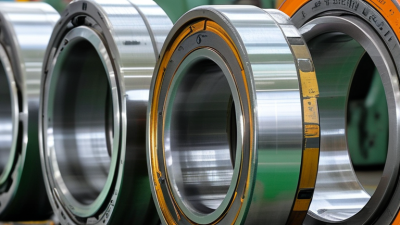
What is V Groove Bearing and How to Choose the Right One?
V Groove Bearings are essential components in various machinery and automation systems. These bearings facilitate linear motion and ensure smooth, precise operation. According to a report by Market Research Future (MRFR), the global market for V Groove Bearings is expected to grow significantly, driven by increased demand in manufacturing and robotics.
Experts emphasize the importance of selecting the right V Groove Bearing for specific applications. John Smith, a recognized authority in mechanical engineering, once stated, "Choosing the right bearing can make or break machine efficiency." This underscores the critical role bearings play in performance optimization.
However, choosing an appropriate V Groove Bearing is not always straightforward. Factors like load capacity, material selection, and environmental conditions should be carefully assessed. Many businesses overlook these details and may encounter operational setbacks. Ensuring quality in selection can lead to better performance and longevity of the equipment.
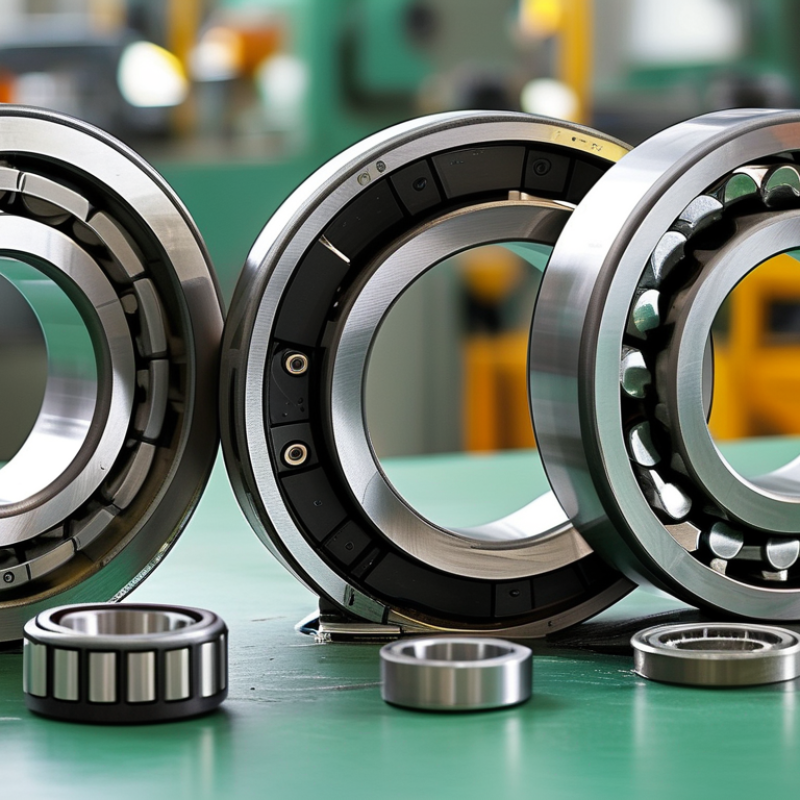
Understanding V Groove Bearings: Definition and Functionality
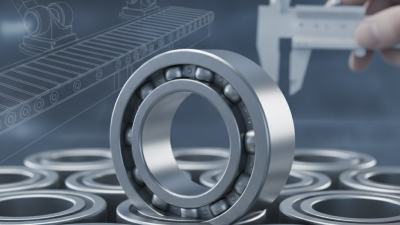
V groove bearings play a crucial role in various machinery applications. These unique bearings feature a V-shaped groove that allows smooth movement along a track or rail. They provide stability and precision, making them ideal for linear motion systems. When paired with the right components, they can enhance the efficiency of automated machinery.
Choosing the right V groove bearing requires understanding specific needs. Consider factors like load capacity, speed, and environmental conditions. Bearings should be made of materials that withstand wear and corrosion. Installation must be precise to ensure optimal performance and avoid future technical problems. It is essential to research suppliers and seek expert advice, ensuring reliable quality. Some common mistakes include overlooking maintenance needs and ignoring compatibility with existing systems.
In practical applications, V groove bearings are often subjected to various stresses. They may not perform optimally in conditions of excessive dirt or debris. Rigorous testing in real-world scenarios can help identify potential weaknesses. Understanding the operational environment is key. Each choice adds a layer of complexity and potential for reflection on design and functionality.
Components of V Groove Bearings: What Makes Them Unique?
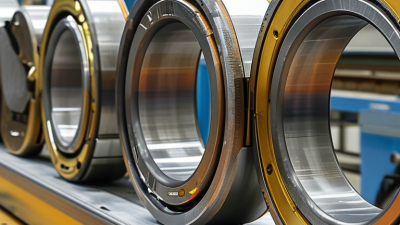
V Groove bearings are essential components in various applications, especially in material handling systems. Their unique design features a V-shaped groove that allows for smooth movement along tracks. This geometry enhances stability and load distribution, which is a key factor in operational efficiency.
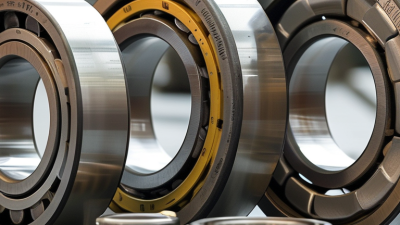
Beyond the groove design, the materials used in V Groove bearings play a significant role in their performance. Common materials include stainless steel and nylon, which provide durability and resistance to wear. According to industry reports, bearings made from these materials can deliver functionality in high-load scenarios, increasing equipment lifespan and reducing maintenance costs. Moreover, the right lubrication practices can improve their efficiency by up to 30%.
Choosing the right V Groove bearing involves understanding specific application requirements. Factors like load capacity, speed, and environmental conditions must be considered. A well-chosen bearing can ensure optimal performance, while a poorly selected one may lead to frequent failures. It's crucial to analyze operational needs closely. Engaging with experts can provide insights tailored to particular situations, enhancing the reliability of the chosen components.
Factors to Consider When Choosing a V Groove Bearing
Choosing the right V Groove bearing involves several crucial factors. First, consider the load capacity. A report by the American Society of Mechanical Engineers highlights that overloading bearings is a common mistake. Many applications require precise load assessments. Miscalculating can lead to premature failure and increased maintenance costs.
The groove angle also plays a vital role in bearing performance. Most V Groove bearings have angles ranging from 45 to 90 degrees. A steeper angle can support heavier loads but may increase friction. According to the International Journal of Tribology, friction levels in bearings can lead to inefficiencies. Balancing load capacity and angle is key for optimal operation.
Material selection cannot be overlooked. Common materials include stainless steel and polymer composites. Each has unique properties that affect durability and performance. Research shows that selecting the right material can extend bearing life by up to 40%. Be cautious, as some materials may not withstand specific environmental conditions. Inconsistent performance can be frustrating and costly.
Applications of V Groove Bearings in Various Industries
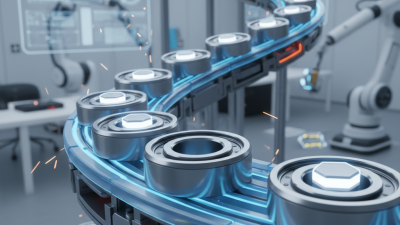
V Groove bearings are crucial in many industries due to their unique design. Their grooved shape allows for smooth movement along a rail or track. These bearings are widely used in applications like conveyor systems, automated machinery, and sliding doors. According to a recent report by Industry Analysis, the global bearing market is expected to grow at a CAGR of 4.5% through 2026. This growth reflects the increasing demand for efficient machinery across various sectors.
In manufacturing, V Groove bearings improve operational efficiency. They provide reliable motion and support heavy loads, essential for repetitive tasks. Similarly, in the woodworking industry, these bearings are used in panel saws and other machinery. Their ability to withstand wear is vital in high-frequency applications. However, choosing the right V Groove bearing requires understanding load capacities and material compatibility.
When selecting a V Groove bearing, consider the operating environment. For instance, higher temperatures may require specific materials. Always analyze the load conditions as overloading can lead to premature failure. It's essential to consult engineering data to determine the best options. Regular maintenance checks can also help prevent performance issues and ensure longevity.
What is V Groove Bearing and How to Choose the Right One? - Applications of V Groove Bearings in Various Industries
| Industry |
Application |
Load Capacity (lbs) |
Operating Temperature (°F) |
Material |
| Manufacturing |
Conveyor Systems |
1500 |
-25 to 140 |
Steel |
| Automotive |
Sliding Doors |
1200 |
-30 to 120 |
Aluminum |
| Aerospace |
Aircraft Control Systems |
2000 |
-40 to 150 |
Titanium |
| Construction |
Cranes |
3000 |
-20 to 130 |
Stainless Steel |
| Food Processing |
Packaging Equipment |
1000 |
0 to 120 |
Food Grade Plastic |
Maintenance Tips for V Groove Bearings to Ensure Longevity
Proper maintenance of V groove bearings is crucial for their longevity. Regular inspection should become a routine. Look for signs of wear or damage. If you notice unusual noises, that could indicate a problem. Ensure that the bearings are clean and free from debris. Dust and dirt can affect their performance. Consider using a soft brush or cloth to remove contaminants. A clean bearing operates more efficiently.
Lubrication is another key factor. Use the right type of grease as per the manufacturer’s guidelines. Over-lubricating can lead to excess buildup, which hinders motion. Under-lubricating can cause friction, leading to premature wear. Always monitor the condition of lubrication. Tightening fixtures is essential, but do not overscrew. This miscalculation could lead to misalignment.
Temperature also plays a significant role in bearing performance. High temperatures can accelerate deterioration. Regularly check the operating environment. If the bearing is exposed to extreme conditions, it may require more frequent maintenance. Keep in mind that even the best maintenance practices can sometimes miss minor issues. It’s essential to listen to the machinery for any unusual behavior. A proactive approach can save time and costs in the long run.
V Groove Bearings Usage and Maintenance Analysis