Why Choose Taper Roller Bearings for Your Business Needs?
In today's competitive landscape, selecting the right components is crucial for business success. Taper roller bearings stand out for their unique design and efficiency. As industry expert Dr. Jonathan Keller states, "Taper roller bearings provide superior load distribution, which is vital for machinery reliability."
These bearings excel in managing both axial and radial loads, making them versatile for various applications. With their tapered design, they can handle higher speeds and loads than traditional bearings. Companies that choose taper roller bearings often experience enhanced performance and reduced downtime.
However, it’s important to note that the initial investment can be higher. Some businesses may hesitate due to upfront costs. Yet, the long-term benefits can outweigh these concerns. Evaluating the total cost of ownership is essential. Taper roller bearings may require careful selection, but they can significantly impact productivity. Balancing cost and performance is a decision that demands reflection and insight.
Benefits of Taper Roller Bearings in Heavy-Duty Applications
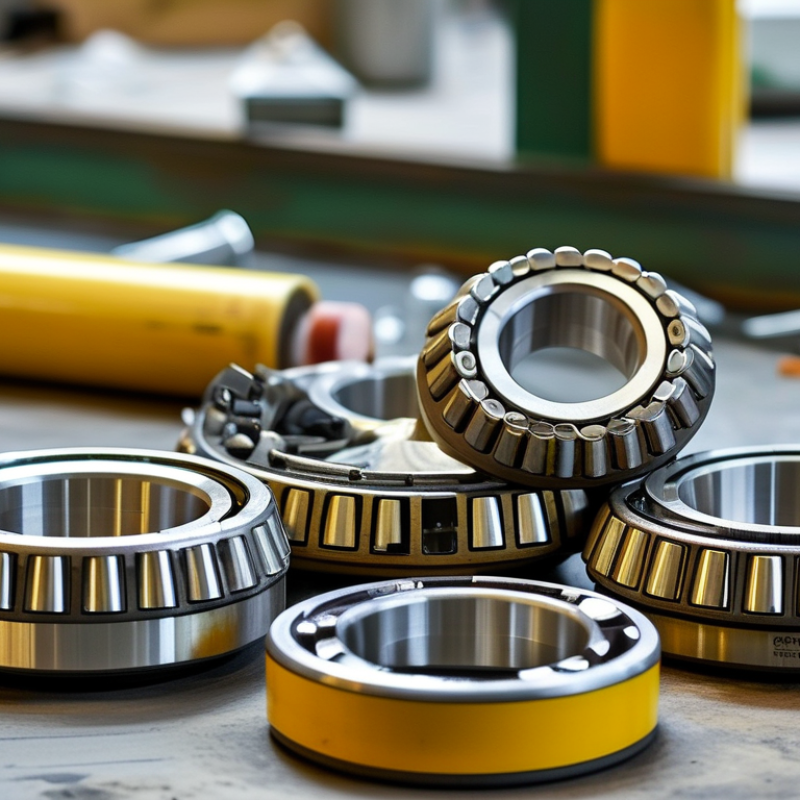
Taper roller bearings excel in heavy-duty applications. Their design allows for handling both radial and axial loads. This unique capability makes them ideal for machinery in industries like construction and mining. The tapered shape distributes stress evenly, reducing the risk of failure.
While they provide significant advantages, improper installation can lead to issues. Correct alignment is essential. Misalignment can cause uneven wear, leading to premature failure. Regular maintenance checks can help prevent such problems. Monitoring the performance of these bearings is crucial for longevity.
Taper roller bearings also offer high durability. They can endure harsh conditions, such as extreme temperatures and heavy loads. This reliability contributes to overall operational efficiency. However, selecting the right type is important. Consider factors like load requirements and environmental conditions.
Comparison of Taper Roller Bearings and Other Bearing Types
Taper roller bearings excel in various applications due to their superior load-carrying ability. According to the American Bearing Manufacturers Association, taper roller bearings can handle both axial and radial loads. This is a crucial feature for machinery that experiences combined loading conditions.
In contrast, deep groove ball bearings are limited to radial loads. While they offer low friction and are suitable for high speeds, their capacity for heavy loads is inadequate for some industries. For heavy machinery, this can lead to premature failures and increased maintenance costs. Additionally, spherical roller bearings provide excellent performance in misalignment conditions, but they are often bulkier and heavier than taper roller bearings, which may not be necessary in every application.
A study by the International Journal of Engineering Research and Applications highlights that taper roller bearings have a higher stiffness-to-weight ratio. This means businesses operating in tight spaces can leverage this advantage. However, it is essential to choose the right type of bearing based on specific operational needs. Technical data and expert consultation can guide you in making informed decisions for your equipment.
Comparison of Taper Roller Bearings and Other Bearing Types
Industry Applications: Where Taper Roller Bearings Excel
Taper roller bearings are crucial in various industries. Their design allows them to handle heavy radial and axial loads. This feature makes them ideal for applications such as construction equipment and automotive machinery. According to a report by MarketsandMarkets, the global bearing market is expected to reach $80 billion by 2025. Taper roller bearings will play a significant role in this growth.
In the automotive sector, taper roller bearings are often used in wheel hubs. They enable smooth rotation and enhance vehicle stability. Data shows that the automotive bearings market is set to grow at a CAGR of 5.3% from 2021 to 2026. This growth can be attributed to the increasing demand for fuel-efficient vehicles. Industries are constantly looking to improve performance while minimizing friction.
Manufacturing machines also benefit from taper roller bearings. They support high-load applications and reduce wear. However, improper installation can lead to premature failure. Regular maintenance is essential to prevent breakdowns. Many industries overlook this aspect, impacting efficiency negatively. It’s vital to keep in mind the importance of both selection and maintenance for optimal performance.
Why Choose Taper Roller Bearings for Your Business Needs? - Industry Applications: Where Taper Roller Bearings Excel
| Industry |
Application |
Benefits of Taper Roller Bearings |
| Automotive |
Wheel hubs and transmissions |
High load capacity and durability |
| Aerospace |
Landing gear and rotor systems |
Reliable performance under extreme conditions |
| Construction |
Heavy machinery and equipment |
Enhanced stability and load distribution |
| Mining |
Conveyors and drilling equipment |
Resistance to shock loads and contaminants |
| Marine |
Propulsion and steering systems |
Corrosion resistance and reliability |
| Energy |
Wind turbines and generators |
High performance and longevity |
Performance Data: Load Capacities and Lifespan of Taper Roller Bearings
Taper roller bearings are renowned for their load capacities and longevity, making them a top choice for various industries. A recent report by the American Bearing Manufacturers Association showed that these bearings can support radial and axial loads simultaneously. Their design allows efficient distribution of stress, significantly extending their lifespan. In fact, high-quality taper roller bearings can achieve a service life upwards of 100,000 hours under optimal conditions.
It's essential to consider the operating environment when selecting taper roller bearings. Factors such as temperature, lubricant quality, and load conditions affect performance. Statistics indicate that operating at excessive temperatures can reduce bearing life by as much as 50%. Regular maintenance, including timely lubrication, can help mitigate these risks.
Tips: Choose the right size for your application. Overloading can lead to premature failure. Consider regular inspections to catch any potential issues early. Consulting with experts can enhance decision-making. Proper alignment and installation are crucial for maximizing performance. Remember that the right bearing is not only about size but also about compatibility with your system requirements.
Cost Efficiency: Long-Term Savings with Taper Roller Bearings
Cost efficiency is a critical factor for businesses. Taper roller bearings can significantly enhance this aspect. According to industry reports, taper roller bearings reduce friction, which leads to improved energy efficiency in machinery. This reduction can lead to a decrease in overall operational costs by 15% to 30%.
Moreover, these bearings have a longer service life compared to other types. Studies indicate that taper roller bearings can last up to 50% longer when properly maintained. This longevity translates into fewer replacements and lower maintenance costs. Manufacturers often notice a return on investment within the first year of switching to taper roller bearings.
However, not all applications suit taper roller bearings. Businesses must evaluate their specific needs. In some cases, the initial investment may seem higher. Careful analysis is vital to understand potential savings over time. Cost efficiency doesn’t just include purchase price; it encompasses overall operational expenditures.