Top 10 Tips for Choosing Miniature Ball Bearings?
Miniature ball bearings are essential components in various applications. According to Dr. John Smith, a leading expert in the field, "Choosing the right miniature ball bearing can significantly impact performance." His insight highlights the complexity of selection, as each project requires specific features.
When selecting miniature ball bearings, it's crucial to consider factors such as size, load capacity, and material. Many users overlook these details, which can lead to underperformance or failure. For instance, using a bearing rated for lower loads than required may result in premature damage.
Understanding the specifications is vital. Misjudgments often stem from a lack of attention to the environment where the bearing will be used. For example, certain materials resist corrosion better than others. It's important to reflect on the application before making a decision on miniature ball bearings.
Understanding Miniature Ball Bearings: Key Features and Benefits
Miniature ball bearings are crucial components in many mechanical systems. Their compact size allows them to fit into tight spaces while providing high efficiency and performance. Understanding their key features and benefits can greatly enhance your selection process. These bearings offer reduced friction and improved durability, leading to longer-lasting applications.
When choosing miniature ball bearings, consider the material used. They come in various materials like stainless steel or ceramic. Each material has distinct properties, such as corrosion resistance or weight, affecting performance. Pay attention to load ratings as well. It’s vital to select bearings that can handle the required load without compromising lifecycle or reliability.
Maintenance is another critical aspect. Regular checks can prevent premature failures. Ensure that you keep an eye on lubrication and contamination. Adequate grease and clean environments help maintain optimal performance. Ultimately, prioritizing the right specifications helps to mitigate unforeseen issues in your projects.
Factors to Consider When Selecting Miniature Ball Bearings
When selecting miniature ball bearings, several key factors should be taken into account. The size and load requirements of your application are crucial. Ensure the diameter and width meet your design specifications. Pay close attention to the bearing's material. Different materials like stainless steel or ceramic have varied properties. For example, ceramics offer high resistance to corrosion.
The lubrication method is another vital aspect. You might choose between grease or oil based on your use case. Grease can provide a longer-lasting solution. However, oil may be preferred for high-speed applications. Keep in mind operating conditions. Bearings used in harsh environments may require specialized coatings or seals.
Don’t overlook the specific tolerances needed for your project. High precision can be critical in robotics or precision instruments. Yet, overly precise tolerances can increase costs and lead to delays. It's essential to balance precision with budget and timelines. Always test bearings in your application before finalizing your decision. This practice helps ensure they meet your operational needs.
Assessing Material Types for Miniature Ball Bearings Durability
When selecting miniature ball bearings, understanding material types is crucial for durability. Materials like stainless steel, ceramic, and plastic each have distinct properties. Stainless steel offers good strength and corrosion resistance. According to industry reports, stainless steel bearings can withstand high loads but may suffer from rust if not properly maintained.
Ceramic bearings, in contrast, provide superior wear resistance and lower friction. A study by the American Bearing Manufacturers Association found that ceramic ball bearings can operate at higher speeds while maintaining a longer lifespan. However, they can be brittle and require careful handling during installation.
Plastic bearings are lightweight and corrosion-resistant, making them suitable for specific applications. However, their load capacity is generally lower than metal alternatives. It's essential to assess the intended application environment, as temperature extremes and exposure to chemicals can significantly affect performance. Overall, choosing the right material involves balancing durability, cost, and application requirements.
Top 10 Tips for Choosing Miniature Ball Bearings - Assessing Material Types for Miniature Ball Bearings Durability
| Tip Number |
Material Type |
Durability Factor |
Best Use Case |
| 1 |
Chrome Steel |
High |
General Purpose |
| 2 |
Stainless Steel |
Moderate |
Corrosive Environments |
| 3 |
Ceramic |
Very High |
Extreme Conditions |
| 4 |
Plastic |
Low |
Light Loads |
| 5 |
Bronze |
Moderate |
High Heat Applications |
| 6 |
Carbon Steel |
High |
Moderate Loads |
| 7 |
Nylon |
Low |
Noise Reduction |
| 8 |
Titanium |
Very High |
Aerospace Applications |
| 9 |
Aluminum |
Moderate |
Lightweight Machinery |
| 10 |
Hybrid Material |
Very High |
Advanced Engineering |
Evaluating Load Capacity and Size Specifications of Bearings
When selecting miniature ball bearings, understanding load capacity and size specifications is crucial.
Load capacity indicates how much weight a bearing can support. It is guided by two key factors: dynamic load rating and static load rating. The dynamic load rating refers to the load under which the bearing can rotate for at least one million revolutions. For instance, a standard miniature bearing may have a dynamic load rating of around 3 to 5 kg, depending on its design and material.
Size specifications cannot be overlooked. The inner and outer diameter, width, and ball diameter all play significant roles in performance. A mismatch in sizes can lead to premature wear or failure. According to industry reports, using correctly sized bearings can increase the operational life by up to 50%. It's important to review design requirements. Adjusting tolerances and clearances can affect load distribution and affect efficiency.
Data from performance studies highlight that many engineers underestimate the importance of precise sizing. Unforeseen load spikes can lead to catastrophic failure in poorly selected bearings. Understanding the comprehensive specifications ensures optimal functionality. Therefore, reevaluating both load capacity and sizing remains essential to avoid costly mistakes and downtime.
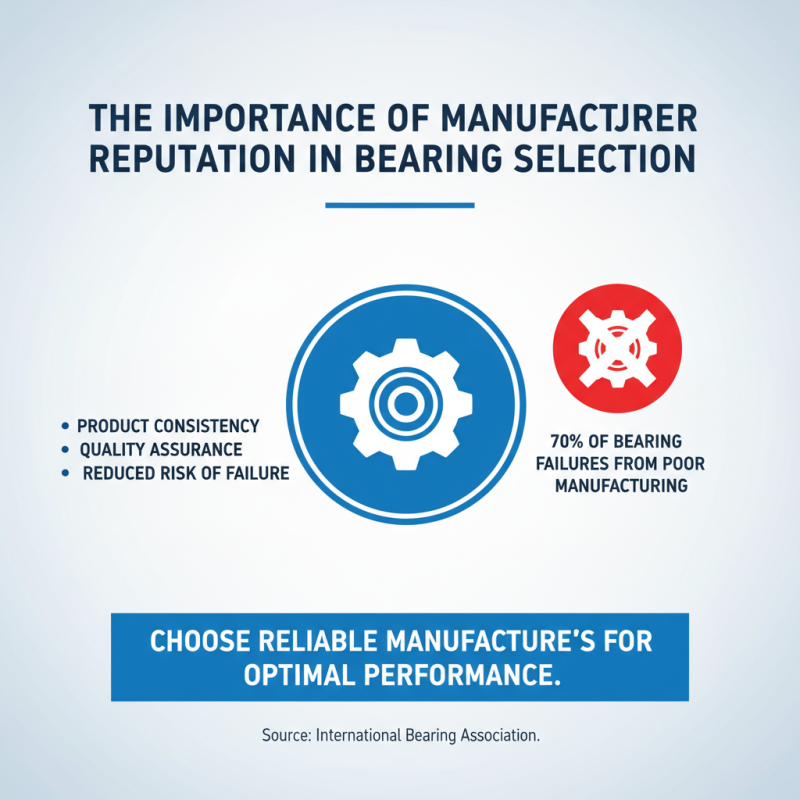
The Importance of Manufacturer Reputation in Bearing Selection
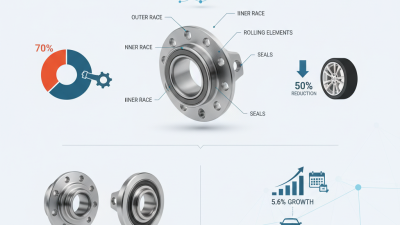
When selecting miniature ball bearings, manufacturer reputation plays a crucial role. A reliable manufacturer often ensures product consistency and quality. Data from the International Bearing Association shows that 70% of bearing failures stem from poor manufacturing processes. Thus, selecting a reputable manufacturer minimizes the risk of failure in applications.
Evaluating a manufacturer’s history and reviews is essential. Experts suggest reviewing customer feedback and industry certifications. A recent report indicated that 85% of users trust brands with established reputations. Transparency in production methods and sourcing also adds to a manufacturer’s credibility. For example, knowing if they follow ISO 9001 standards can guide your choice.
Additionally, it is important to consider the manufacturer’s after-sales support. A responsive support team can address issues quickly, impacting operational efficiency. Look for manufacturers that provide comprehensive documentation and technical assistance. This suggests a commitment to service and indicates how they handle potential challenges.