How to Choose the Right Taper Roller Bearing for Your Needs?
Selecting the right Taper Roller Bearing is crucial for ensuring optimal equipment performance. According to a report by Grand View Research, the global bearing market is projected to reach $105.12 billion by 2025. This growth reflects the rising demand for high-quality bearings across various industries, including automotive and aerospace.
Taper Roller Bearings are known for their ability to handle both radial and axial loads. They provide superior performance in applications requiring high load capacity and durability. However, choosing the right type can be challenging. Factors like load rating, dimensional accuracy, and material quality must be considered.
Despite the abundance of manufacturers, not all bearings are created equal. Some may fall short of quality standards, leading to premature failures. Users should prioritize suppliers with robust certifications and a track record of reliability. Making an informed decision requires detailed research and an understanding of specific needs.
Understanding the Basics of Taper Roller Bearings
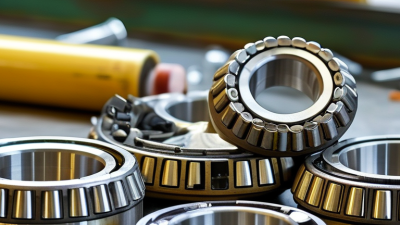
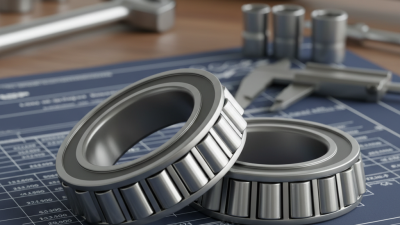
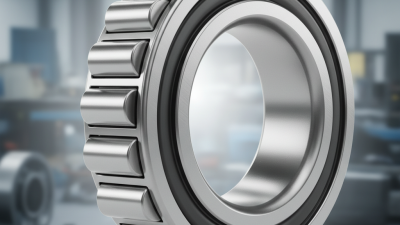
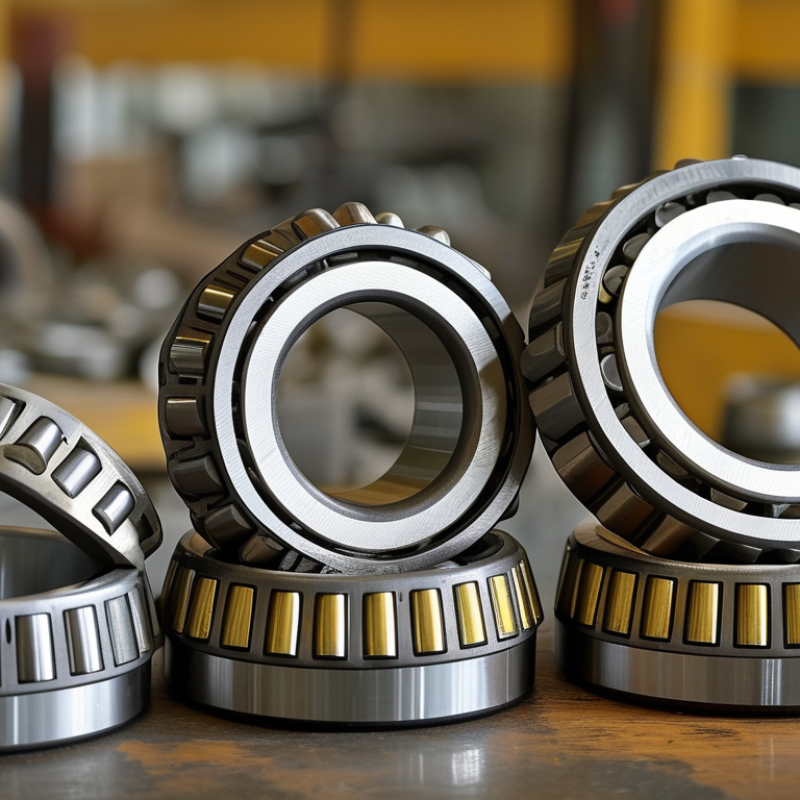
Taper roller bearings are essential components in many machinery applications. They can handle both radial and axial loads effectively. Understanding their structure is the first step to choosing the right type. The cone and cup design offers unique advantages, allowing for smooth rolling motion.
When selecting taper roller bearings, consider load capacity, size, and operating conditions. For heavy-duty applications, a bearing with a higher load rating is necessary. Pay attention to the material used, as it affects durability. Also, the alignment of the bearing during installation is crucial. Misalignment can lead to reduced performance and increased wear.
It’s important to reflect on your specific needs. Are environmental conditions harsh? Do you require high-speed capabilities? These factors will influence your choice. Avoiding the right bearing can lead to failures or inefficiencies. Always consult with experts in bearing technology for guidance. Their experience can save you from costly mistakes down the line.
Key Factors to Consider When Selecting a Taper Roller Bearing
Selecting the right taper roller bearing involves several key factors. Understanding the load capacity is crucial. According to the American Bearing Manufacturers Association, a bearing's load capacity is a primary determinant in its performance and longevity. The dynamic load rating often dictates how much weight a bearing can handle during operation. This factor can vary significantly based on the design and materials used, impacting overall reliability.
Another important element is the bearing size. A fit that is too tight can lead to premature failures due to excessive friction, while a loose fit can cause misalignment. A recent report from the International Journal of Engineering Materials indicates that an optimal fit can enhance both efficiency and lifespan. The selection of materials also plays a vital role. High-quality steel, for instance, offers better strength and resistance to wear, which is necessary for high-load applications.
Finally, consider environmental conditions. Bearings exposed to harsh environments may require special seals or coatings. If not accounted for, this could lead to early degradation. Regular assessments and adjustments based on operational feedback are also important. Understanding these factors can guide toward a more effective selection process, though achieving the perfect fit remains a challenge. Over time, repeat evaluations will enhance decision-making skills.
How to Choose the Right Taper Roller Bearing for Your Needs?
| Key Factor |
Description |
Importance Level |
| Load Capacity |
The maximum load the bearing can support without failure. |
High |
| Speed Rating |
The maximum rotational speed at which the bearing can operate efficiently. |
Medium |
| Material |
The composition of the bearing, affecting durability and temperature resistance. |
High |
| Dimensions |
The size specifications such as inner diameter, outer diameter, and width. |
High |
| Sealing Type |
The type of seal used to protect the bearing from contaminants. |
Medium |
| Application |
The specific application for which the bearing will be used, influencing load and speed needs. |
High |
| Lubrication Requirements |
The type of lubrication needed and its impact on bearing life. |
Medium |
| Cost |
The price of the bearing, which can affect project budgets. |
Medium |
Types of Taper Roller Bearings and Their Applications
Taper roller bearings are crucial in various industries. They are designed to handle both radial and axial loads. Their unique construction makes them particularly effective in applications requiring high load capacity. For example, they are widely used in automotive wheel hubs and heavy machinery. According to the Global Bearing Market report, the demand for taper roller bearings is projected to grow by 5.2% annually.
Different types of taper roller bearings cater to specific needs. Single-row taper roller bearings are optimal for applications with moderate loads. Meanwhile, double-row versions can manage heavier loads more effectively. It's essential to choose the right type based on the load requirements and operational conditions. A study by the Bearing Industry Association noted that improper selection could lead to premature failures.
In high-speed applications, ensure bearings are well-lubricated. Lack of adequate lubrication can result in increased wear and tear. Moreover, consider the mounting position of the bearings. Even minor misalignments may lead to inefficiencies. These factors highlight the importance of careful assessment and selection of taper roller bearings.
Calculating Load Capacity for Appropriate Bearing Selection
When selecting a taper roller bearing, understanding load capacity is crucial. This factor determines how much weight the bearing can handle effectively. Calculating load capacity involves considering both the axial and radial loads on the bearing. Each application requires specific calculations. Engineers often refer to standardized formulas to establish these loads accurately.
Consider the environment where the bearing will be used. High temperatures or exposure to contaminants may lower the effective load capacity. It’s important to assess these variables before making a choice. Every application presents unique challenges. Hence, precise calculations can sometimes yield surprising results.
While you may think that a larger bearing automatically means a higher load capacity, this isn't always the case. Often, smaller, well-engineered bearings can outperform larger ones due to better design and materials. It’s worth reviewing individual specifications with a critical eye. The right taper roller bearing not only fits the load requirements but also enhances overall system efficiency.
Maintenance Tips for Enhancing the Longevity of Your Bearings
Maintaining taper roller bearings is crucial for their longevity. Regular inspection can help catch potential issues early. Look for signs of wear, such as abnormal noise or excessive vibration. A small detail might indicate a larger problem. Don’t ignore it.
Lubrication plays a vital role in bearing health. Use the correct type and amount of lubricant. Too much can cause overheating, while too little can lead to wear. Make sure to clean the bearing surfaces before applying new grease. It’s essential to establish a maintenance schedule. This way, you can ensure consistent performance and reliability.
Despite these tips, challenges can arise. Operating conditions fluctuate, which can affect bearing life. Environmental factors, such as temperature and humidity, may also play a role. Be prepared to adapt your maintenance strategies when needed. Regular training and updates about maintenance practices can enhance knowledge and improve outcomes. Effective maintenance requires ongoing reflection and adjustment.