Why Choose Tapered Roller Bearings for Your Industrial Needs?
Tapered Roller Bearings stand out in the industrial world for their unique design and performance. These bearings facilitate efficient load distribution. Their conical shape allows them to handle both radial and axial loads, making them versatile for various applications.
Industries today demand reliability and efficiency. Tapered Roller Bearings offer these benefits while also decreasing maintenance needs. They can operate under high-speed conditions, ensuring optimal performance over longer periods. The consistency in their performance is something many engineers appreciate.
However, not all Tapered Roller Bearings are created equal. Variations exist based on quality and design. It's essential to choose the right type, as improper selection can lead to failures. Therefore, understanding their specifications and applications is crucial for achieving optimal results in industrial settings.
Understanding Tapered Roller Bearings and Their Design Features
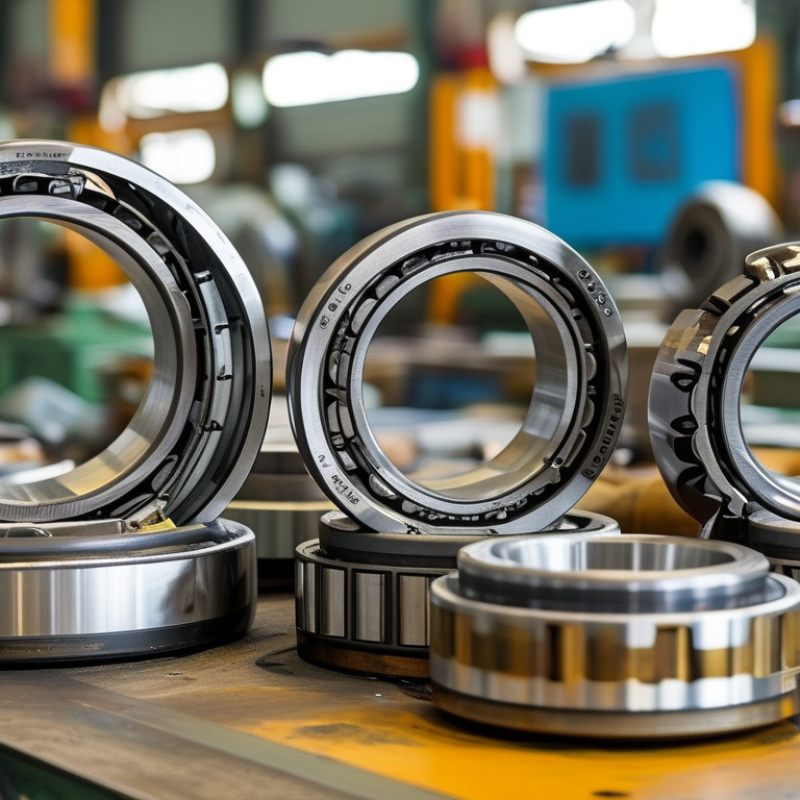
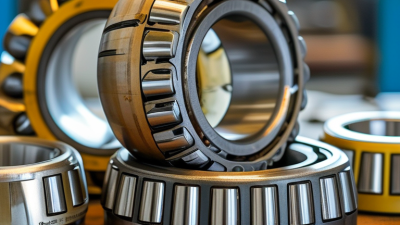
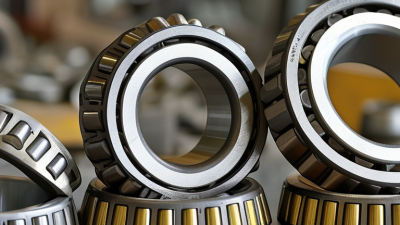
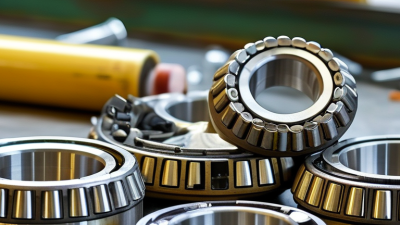
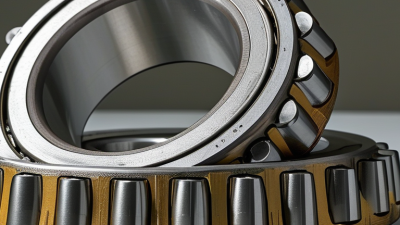
Tapered roller bearings stand out for their unique design features. They consist of inner and outer rings, tapered rollers, and a cage. The tapered shape allows for effective handling of both axial and radial loads. This versatility makes them essential in various industrial applications, from automotive to manufacturing.
According to a report by Research and Markets, the market for tapered roller bearings is expected to grow at a CAGR of 6.5% through 2027, highlighting their increasing importance in machinery efficiency.
These bearings offer superior load-carrying capacity compared to conventional bearings. The contact angle increases the area of contact, distributing loads evenly. For instance, an analysis by Global Market Insights reveals that tapered roller bearings can support loads up to 25% more than spherical bearings under similar conditions. Their design also facilitates greater stability under dynamic loads, reducing wear and prolonging service life.
However, maintenance and alignment of tapered roller bearings can be challenging. Misalignment can lead to premature failure, making proper installation crucial. Regular inspections are necessary to ensure optimal performance. The need for specialized expertise in the installation and maintenance of these bearings can’t be overlooked. Despite their advantages, the complexity of their design warrants cautious handling and a well-thought-out maintenance plan.
Advantages of Tapered Roller Bearings Over Other Bearing Types
Tapered roller bearings are increasingly chosen for industrial applications due to their unique advantages. Their ability to handle both axial and radial loads makes them highly versatile. According to a report by the Bearing Industry Association, approximately 25% of all bearing failures stem from misalignment. Tapered roller bearings help mitigate this risk with their structured design, allowing for adjustments that can correct misalignment issues effectively.
Furthermore, these bearings excel in load distribution. Their cone and cup design enables improved contact area, which can reduce wear and extend service life. Industry studies indicate that using tapered roller bearings can enhance reliability by up to 20% in heavy-duty applications. This presents a crucial advantage in manufacturing sectors where uptime is critical. However, proper maintenance is essential to maximize these benefits, as neglect can lead to premature failure.
In various applications, tapered roller bearings generate less heat compared to other bearing types. This characteristic contributes to energy efficiency and lower operational costs. A report from the International Journal of Mechanical Engineering revealed that effective heat dissipation can increase the lifespan of bearings by 30%. Yet, it is vital for companies to regularly monitor the performance of these bearings. Regular assessments help to identify when they may need replacement, emphasizing the importance of a proactive maintenance strategy.
Applications of Tapered Roller Bearings in Various Industries
Tapered roller bearings find extensive use across various industries due to their unique design. These bearings accommodate radial and axial loads efficiently, making them ideal for applications in manufacturing, automotive, and aerospace sectors. According to recent industry reports, the global tapered roller bearings market is projected to reach $5 billion by 2026, reflecting an annual growth rate of 5.2%. This rise is driven by increasing demands for energy-efficient solutions.
In manufacturing, tapered roller bearings are crucial in conveyor systems and gearboxes. They ensure smooth operation and increase the lifespan of machinery. The automotive industry utilizes these bearings in wheel hubs and transmissions. A study revealed that nearly 40% of automotive component failures are linked to inadequate bearing performance. Tapered roller bearings help to mitigate these failures by providing superior load distribution.
However, the implementation of tapered roller bearings is not without challenges. Misalignment during installation can lead to premature wear. Furthermore, improper lubrication practices can compromise their performance. Industries are continuously analyzing these factors to enhance reliability. By addressing these concerns, companies can improve the efficiency and durability of their operations.
Why Choose Tapered Roller Bearings for Your Industrial Needs?
| Industry |
Applications |
Benefits |
Load Capacity |
| Automotive |
Wheel hubs, transmissions |
High radial and axial load carrying capacity |
Medium to high |
| Construction |
Excavators, bulldozers |
Durability and reliability in harsh conditions |
High |
| Aerospace |
Landing gear, engine mounts |
Lightweight with high strength |
Medium |
| Marine |
Propulsion systems, thrusters |
Resistance to corrosion and water damage |
High |
| Industrial Machinery |
Gearboxes, conveyor systems |
Efficiency in high-speed operations |
Medium to high |
Factors to Consider When Choosing Tapered Roller Bearings
When choosing tapered roller bearings for industrial applications, several factors play a crucial role. Load capacity is one of the primary considerations. Tapered roller bearings are known for their ability to handle both radial and axial loads effectively. According to a report by the American Bearing Manufacturers Association, these bearings can support load capacities ranging from 15% to 40% higher compared to deep groove ball bearings, making them a reliable option for heavy machinery.
Another critical factor is the alignment of the bearing. Tapered roller bearings require precise alignment to minimize wear and ensure longevity. Misalignment can lead to premature failure. The International Journal of Precision Engineering and Manufacturing emphasizes that proper installation can improve the lifespan of these bearings by up to 25%. Regular maintenance checks are also essential to avoid unexpected breakdowns, which can disrupt production lines.
Additionally, consider the bearing’s material and lubrication. The quality of the steel used affects its durability. High-quality steel can resist fatigue and corrosion better. A study by Research and Markets states that advancements in lubrication technology can extend bearing life significantly. Selecting the right grease or oil affects both performance and efficiency. Regularly assessing lubrication levels can alleviate performance issues, which can often be overlooked but critically impact efficiency.
Maintenance and Care Tips for Tapered Roller Bearings
Tapered roller bearings are essential in industrial applications due to their ability to support both radial and axial loads. However, proper maintenance is crucial for their optimal performance. Regular inspection can prevent unnecessary failures.
One effective tip is to maintain appropriate lubrication. Insufficient or contaminated lubricant can lead to overheating and wear. It’s best to follow manufacturer guidelines to ensure the right type and amount of lubricant. Regularly check the lubricant quality and replace it when necessary.
Another key aspect is monitoring the load distribution. Unequal loads can cause uneven wear. Installing bearings correctly can help achieve balanced load. Always consider the operating conditions for better performance. Tracking vibration levels can also indicate if your bearings need immediate attention. Regularly maintaining tapered roller bearings can save you time and costs in the long run.